

TL;DR: Real Estate 3.0 describes the shift from buying entire properties outright toward structured, fractional participation backed by digital recordkeeping and clear governance. It’s not a replacement for property law or market fundamentals — it’s a modernization of how access works. Real Estate 1.0 was direct ownership, 2.0 brought institutional vehicles like REITs, and 3.0 layers digital transparency on top of structured participation. The risks that come with real estate haven’t gone anywhere; what’s changed is who can realistically get in.

Real Estate 3.0: The Ownership Revolution Shaping Property Investment
Real estate has always been one of the more reliable ways to build long-term wealth — but for most of its history, getting in meant having serious capital, going through direct registration, and committing to a long hold. That’s been changing, and the shift now has a name people are starting to use: Real Estate 3.0. It’s not about replacing how property works. It’s about modernizing how people get access to it — through clearer governance, digital recordkeeping, and structured ways to participate without buying an entire asset outright.
What does “Real Estate 3.0” actually mean?
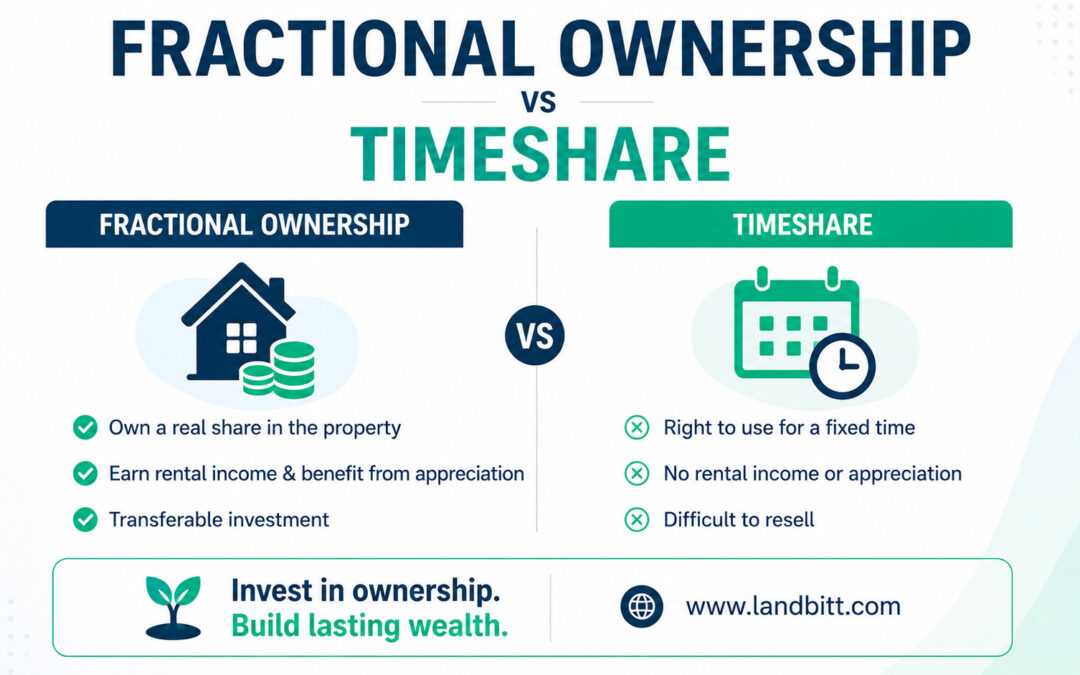
In the past, investing in property meant buying the whole thing yourself. That kept a lot of people out of premium markets simply because the capital bar was too high. Structured participation models change that math — instead of one person buying an entire asset, multiple investors can hold a proportional, defined share of it. That means capital can spread across several opportunities instead of getting locked into just one. If you want to see how this actually works within Indian legal frameworks, our guide on real estate tokenization in India walks through the mechanics in detail.
So what’s actually new here?
It’s the combination of a few things working together, not any single breakthrough:
- Trust-based governance structures that define rights upfront
- Fractional participation frameworks that lower the entry barrier
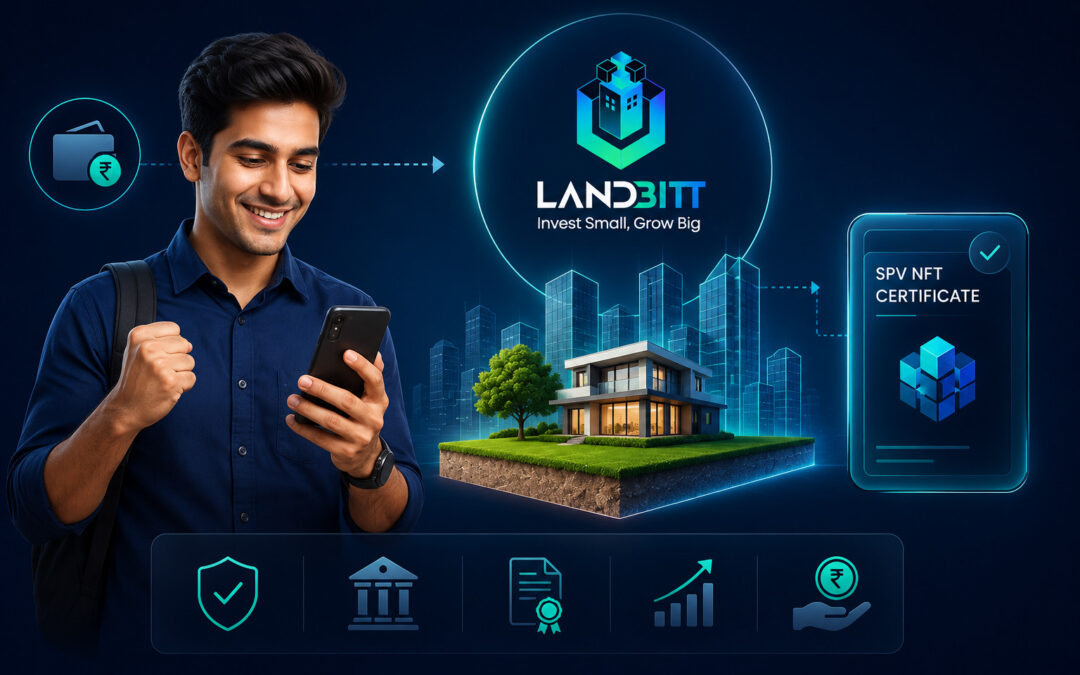
- Blockchain-supported record transparency
- KYC and AML compliance built into onboarding
- Digital ownership tracking that replaces paper-only records
None of this is speculative or experimental for its own sake — it’s mostly about discipline and clarity, applied to a process that used to run on informal trust and a lot of paperwork.
What’s a “digital landlord,” and is that even a real thing?
The phrase gets thrown around a lot, and it’s worth being precise about what it actually means. A digital landlord isn’t someone who passively bought a token and expects it to appreciate on autopilot. It’s someone who participates economically in a real asset through a structured system, with transparent reporting behind it — which still means understanding governance, risk, and the fundamentals of whatever asset they’ve put money into. If anything, the digital part raises the bar on what an informed investor should expect to know, not lowers it. See our guide on fractional ownership in India for what this actually looks like in practice.
Why does 2026 specifically mark a turning point?
A few macro trends happen to be lining up at the same time. Infrastructure corridors keep expanding across the country, and smart city projects are finally moving from announcement to execution. Semiconductor and manufacturing ecosystems are taking shape in places that weren’t on most investors’ radar five years ago, while digital public infrastructure keeps getting more robust alongside them. None of these alone would be a big deal — together, they’re genuinely reshaping how people think about getting into property markets. That’s the actual basis for calling this a structural shift rather than a marketing phrase.
Is blockchain replacing property law here?
No, and anyone telling you otherwise is overselling it. Blockchain plays a supporting role — it improves record transparency and makes transactions easier to trace and verify. But property law and trust governance are still what actually defines your rights. A scalable blockchain network can help keep transaction costs predictable, but legal ownership keeps operating under the same established frameworks it always has. Technology strengthens the systems around an investment. It doesn’t remove the underlying market risk.
What are the genuine benefits of this shift?
Lower entry barriers. Structured participation means capital doesn’t have to concentrate in one buyer’s hands, which opens premium assets to more people.
Better diversification. Instead of committing everything to a single property, investors can spread capital across multiple assets — which tends to balance portfolio risk better than one concentrated bet.
Real transparency. Digital record systems make transaction history considerably easier to verify than relying on paper trails and a broker’s word.
Structured paths to liquidity. After defined lock-in periods, compliant secondary transfers can offer an optional way out — not guaranteed, but considerably more structured than informally hunting for a buyer.
Does this mean the market risk has gone away?
No — and this is worth being completely upfront about. Real estate fundamentals haven’t changed just because the access model has. Asset performance still depends on location, how well infrastructure actually gets executed, demand cycles, and broader economic conditions. Structured models improve access and transparency. They don’t guarantee returns, and nobody should imply otherwise. Read the Risk Disclosure Statement before you commit any capital.
What still has to happen behind the scenes for this to work?
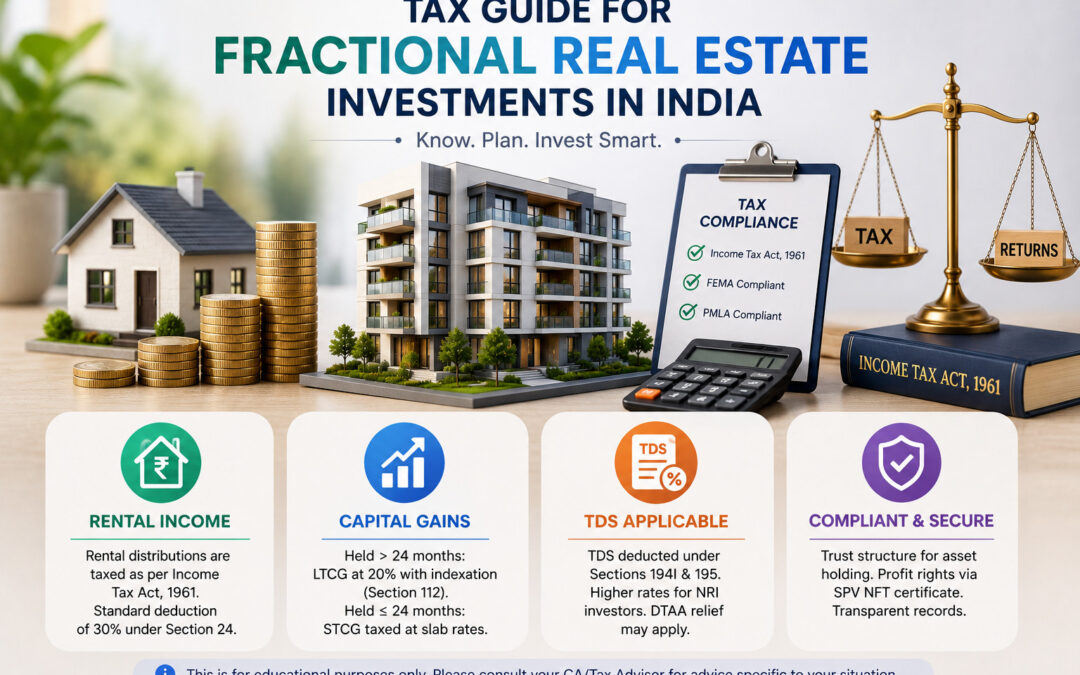
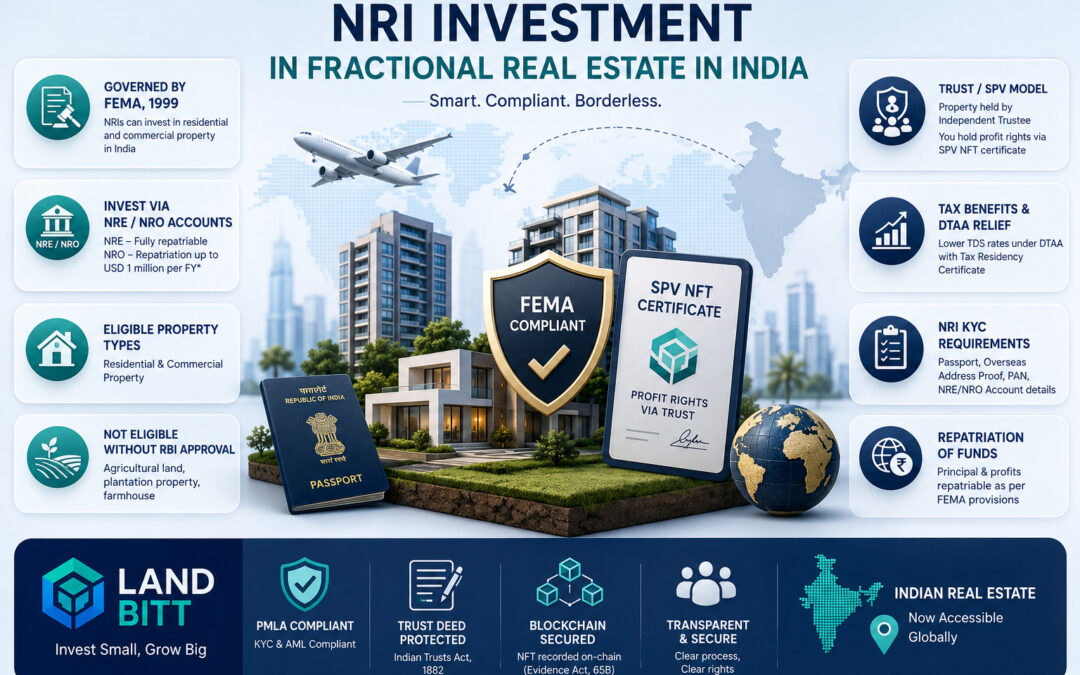
Trust deeds, KYC verification, AML checks, and regulated banking channels are the actual backbone of any structured participation system — without that governance discipline, digital infrastructure on its own wouldn’t earn anyone’s trust. Review the Legal Documents and AML & CFT Policy directly rather than taking marketing copy at face value.
How does this compare to earlier phases of real estate investing?
Real Estate 1.0 was full direct ownership — you bought the whole thing yourself, full control, full capital requirement.
Institutional vehicles arrived with Real Estate 2.0 — REITs and similar structures that pooled capital and offered exchange-based liquidity, but without much say in which specific asset you were exposed to.
Now, structured, asset-specific participation combines with digital transparency in Real Estate 3.0 — you can choose the specific property, hold a defined economic interest in it, and track it transparently, without needing the capital for the whole thing.
Each phase builds on what came before it. None of them replaces the underlying asset — they just change who can access it and how clearly they can see what they own.
Where is this actually headed?
India’s real estate landscape keeps evolving alongside infrastructure expansion and digital modernization, and structured participation models are likely to become more common as a result. That said, disciplined investing remains just as critical as it always was. Technology can make the process clearer. It doesn’t make the decisions for you, and it never determines the outcome — the market still does that.
Frequently Asked Questions
What is Real Estate 3.0?
A shift toward structured, fractional property participation backed by digital recordkeeping and clear governance — rather than requiring full direct ownership to get any exposure to real estate.
Does Real Estate 3.0 eliminate the risks of property investment?
No. It improves access and transparency, but market risk, liquidity timing, and economic cycles remain exactly as real as they’ve always been.
What’s the difference between Real Estate 2.0 and 3.0?
2.0 introduced pooled institutional vehicles like REITs. 3.0 adds asset-specific structured participation with full digital transparency, letting investors choose and track a specific property rather than just a pooled portfolio.
Is a “digital landlord” the same as a passive crypto speculator?
No. It describes someone holding a structured, documented economic interest in a real asset — which still requires understanding the underlying governance, risk, and fundamentals, not just buying a token and hoping.
Does blockchain replace the need for property law?
No. Blockchain supports transparency and recordkeeping. Legal ownership and governance still operate under established property and trust law.