
TL;DR: Reports suggest Dholera data centre investments could exceed ₹4 lakh crore over time — a number big enough to signal a real structural shift in how industrial and commercial land gets positioned in the region, not just an infrastructure headline. Data centres function as genuine real estate assets: large land parcels, long-term institutional leases, capital-intensive construction. The opportunity is tied to real structural demand, but it still carries policy, execution, and power-economics risk like any infrastructure-led theme.

Dholera Data Centre Investments: What ₹4 Lakh Crore Actually Means for Real Estate
Indian real estate investors have traditionally stuck to two lanes: residential apartments or commercial office space. A third lane is getting genuine attention now — data centres. Reports suggest Dholera data centre investments could exceed ₹4 lakh crore over time, and that’s not just an infrastructure headline to skim past. It signals a real shift in how industrial and commercial land in the region is getting positioned. For long-term investors, that’s worth paying attention to — though, as with any infrastructure-led theme, it demands discipline and a clear-eyed read on the risks, not just enthusiasm about the number.
Why does Dholera specifically matter for this?
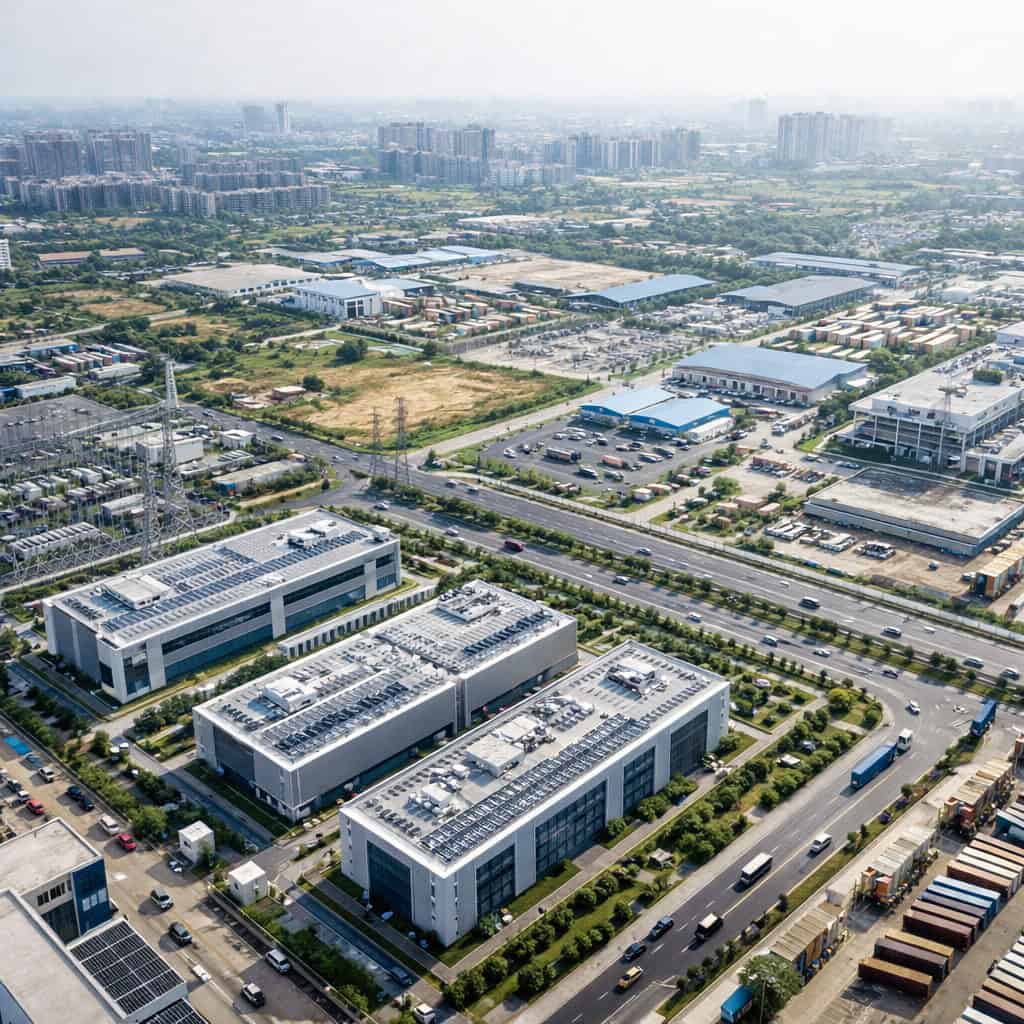
Dholera sits within the Delhi-Mumbai Industrial Corridor and was planned, from the ground up, as a smart industrial city — not an unplanned expansion zone that grew organically. Data centres have specific, demanding infrastructure requirements:
- Reliable, high-capacity power supply
- Large, contiguous land parcels
- High-speed digital connectivity
- Regulatory clarity
- Disaster-resilient infrastructure
Dholera’s planning model was built with exactly these requirements in mind, which is a big part of why data centre investment here reads as a credible long-term theme rather than just speculative chatter.
Are data centres actually a real estate play, or just tech infrastructure?
Both, genuinely. Data centres sit at the intersection — they’re digital infrastructure, but they’re fundamentally real estate assets too. They occupy large land parcels and operate out of built structures leased to enterprise-grade tenants, which gives them investment characteristics that look a lot like traditional commercial real estate:
- Long-term lease agreements
- Institutional tenants
- Stable rental frameworks
- Capital-intensive construction
When projected investment in this space reaches the scale being discussed — reportedly backed by recent government statements — it signals genuine long-term operational commitment. Institutional capital doesn’t typically show up unless policy and infrastructure visibility are already strong. That said, actual returns still depend on demand stability, power economics, and whether policy support holds steady over time.
Why does this matter right now, specifically?
India’s digital economy keeps expanding fast — cloud computing, fintech, AI, and enterprise digitization are all pushing domestic data storage needs higher. Data localization policy adds another tailwind, since it strengthens the case for keeping infrastructure inside the country rather than relying on it being hosted elsewhere. Combine that with Gujarat’s existing industrial ecosystem and power infrastructure, and the opportunity looks tied to genuine structural demand rather than a short-term trend.
That said, infrastructure corridors evolve in phases, not overnight. Early-stage entry can offer real growth potential, but it also carries real execution risk — which is exactly why structured participation tends to make more sense here than direct speculation for most investors.
How does structured participation actually help here?
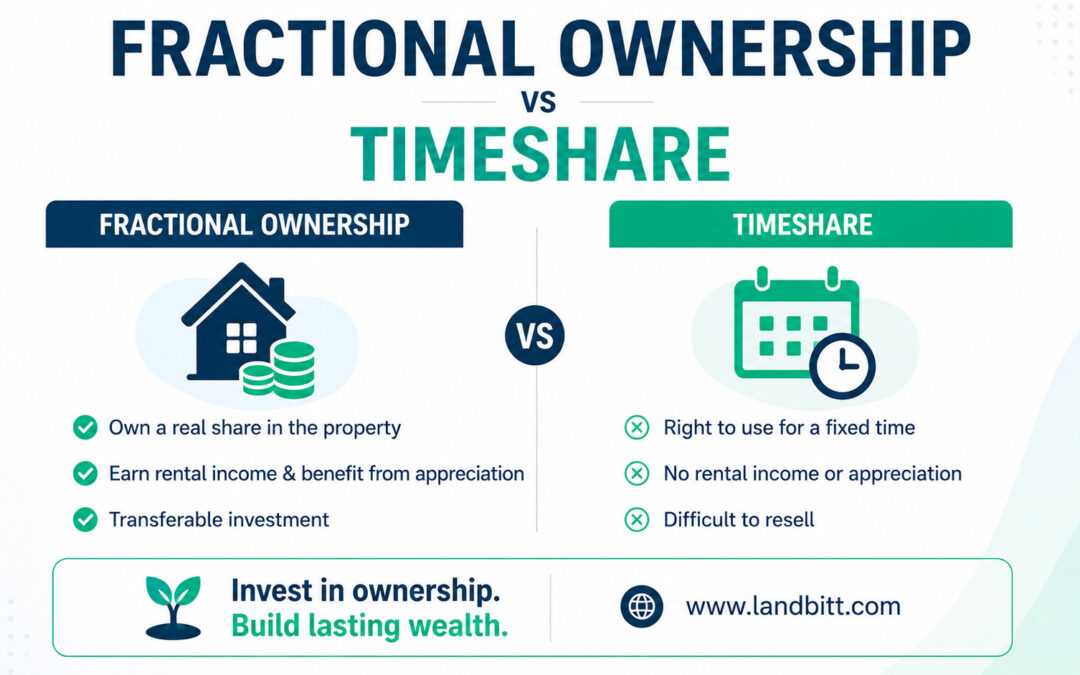
Direct industrial land investment usually demands large capital, extensive due diligence, and long holding periods — and liquidity tends to be limited on top of that. Structured fractional ownership models exist specifically to make participation in real estate assets like this realistic for more investors, through legally compliant frameworks rather than informal arrangements. As the ecosystem around Dholera’s data centre investment develops, structured fractional participation can offer measured exposure without forcing you into concentrated risk on a single asset.
What are the real benefits of fractional participation in a corridor like this?
Lower entry barrier. Instead of putting significant capital into one property, you can spread smaller amounts across diversified assets.
Real diversification. Fractional ownership lets you gain exposure to multiple property types, which reduces how concentrated your risk is in any single micro-market.
Professional oversight. Operational management and documentation stay structured, which takes a real administrative burden off your plate.
Genuine transparency. Clear reporting frameworks matter a lot in developing zones like this — you want real visibility into what’s actually happening, not just projections.
How does this compare to buying land directly?
| Factor | Direct Land Purchase | Fractional Ownership |
|---|---|---|
| Capital required | High | Moderate |
| Liquidity | Low | Structured exit options |
| Due diligence | You manage it yourself | Platform-managed |
| Diversification | Limited | Genuinely possible |
| Operational oversight | Self-managed | Professionally managed |
In a corridor shaped by data centre investment specifically, structured participation tends to suit passive, long-term investors better than direct ownership does.
What are the actual risks here?
Every investment carries risk, and infrastructure-driven themes are no exception:
- Policy changes that shift the regulatory or incentive landscape
- Infrastructure delays that push timelines out further than expected
- Power cost volatility, which directly affects data centre economics
- Digital demand fluctuations that could change the underlying growth story
- Liquidity constraints, since this is still an early-stage, illiquid asset category
Returns depend entirely on market conditions and execution timelines actually playing out as projected. Disciplined allocation and real diversification matter here, not just optimism about the headline number.
Where is this headed long-term?
Industrial corridors generally evolve through a few recognizable stages: policy and land allocation first, then anchor investor commitments, followed by ecosystem development, and eventually market maturity. Current announcements around Dholera’s data centre investment suggest the region is moving into that anchor-investment phase. If implementation actually keeps pace with the planning, long-term industrial real estate demand here could genuinely strengthen. Still, it’s worth keeping expectations realistic — infrastructure growth is gradual, and it depends on more variables lining up than any single announcement can guarantee.
Frequently Asked Questions
What are Dholera data centre investments?
Projected large-scale capital commitments toward building data centre infrastructure in Dholera, Gujarat — reportedly exceeding ₹4 lakh crore over time.
Why do data centres matter for real estate investors specifically?
They create long-term land demand and support the broader industrial and commercial ecosystem that tends to grow up around them.
Is direct land investment in Dholera a good idea?
It depends heavily on your risk tolerance and expertise — direct ownership comes with real legal, liquidity, and holding-period risk that structured platforms are specifically designed to reduce.
How does fractional ownership actually reduce risk here?
Through diversification, structured documentation, and professional oversight — none of which eliminate risk entirely, but all of which reduce concentration risk compared to one large, direct bet.
Are returns from this kind of investment guaranteed?
No. Returns depend on market conditions, infrastructure execution, and broader economic factors — none of which are fixed or assured.