
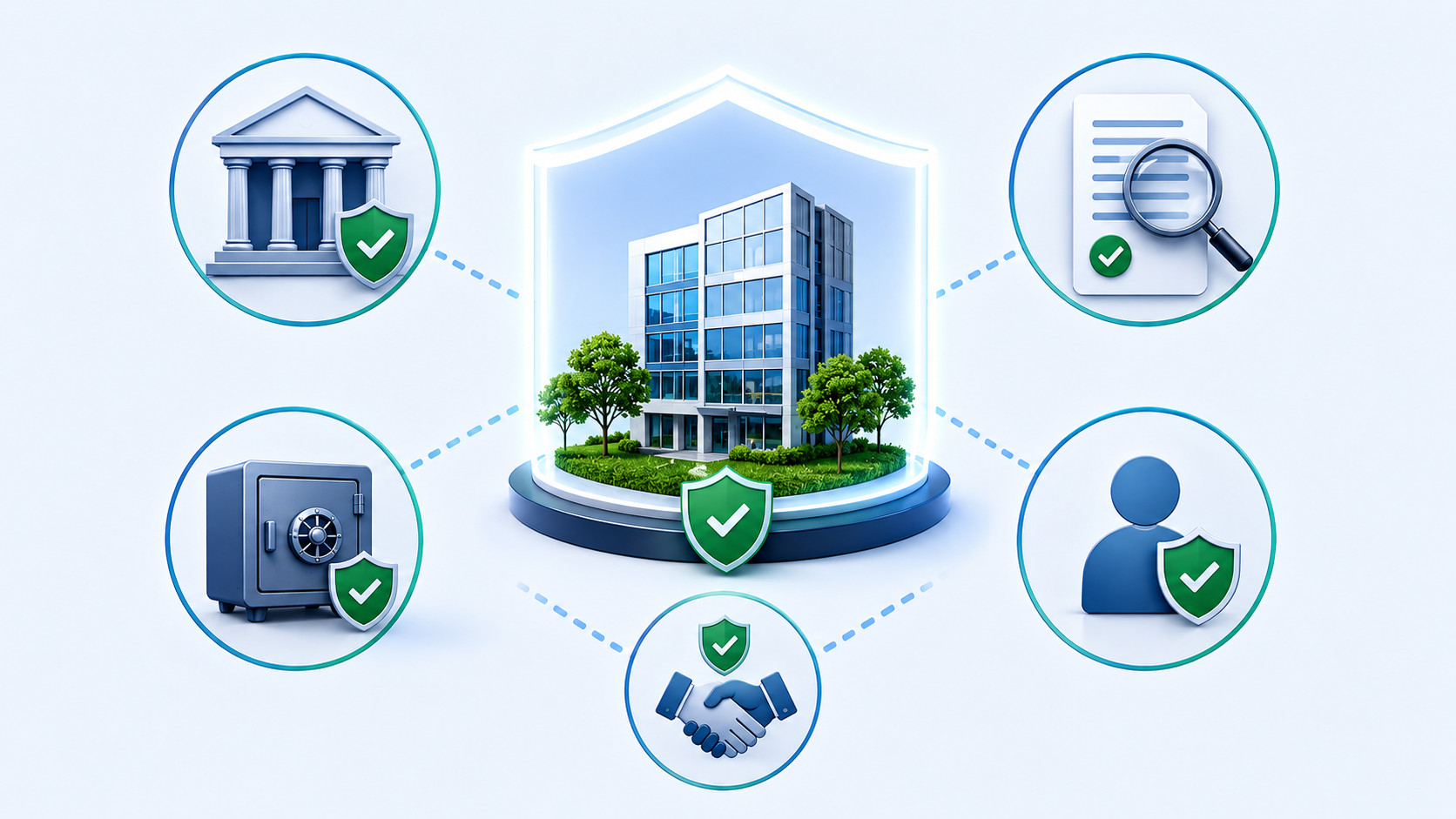
TL;DR: To verify a fractional real estate platform in India, check five things: legal structure (Trust or SPV), asset segregation from the platform’s balance sheet, KYC/AML compliance, underlying asset documentation, and what protects your holding if the platform closes. This checklist walks through each area with specific questions to ask and red flags to spot.

Platform Verification Checklist: How to Vet a Fractional Real Estate Platform in India
When you know how to verify a fractional real estate platform, you move from trusting marketing language to evaluating actual legal and structural facts. Moreover, this guide gives you the tools to do exactly that.
Quick Facts
- What this is: A step-by-step checklist for evaluating any fractional real estate platform in India before you invest.
- Who it’s for: First-time and experienced investors who want to move beyond brand trust and verify the actual legal and operational structure.
- Key framework: Five verification areas — legal structure, asset segregation, compliance, documentation, and platform-exit protection.
- Regulatory note: SEBI’s SM REIT framework (SEBI (Real Estate Investment Trusts) Regulations, 2014, amended in 2023) governs exchange-listed platforms. The Indian Trusts Act, 1882 governs Trust/SPV models. These are structurally different — therefore, this checklist covers both.
Why Knowing How to Verify a Fractional Real Estate Platform Matters
Two Models, One Verification Framework
Fractional real estate in India runs on two structurally distinct models. The SEBI-regulated SM REIT framework requires exchange listing and mandatory disclosures. However, Trust/SPV platforms operate under the Indian Trusts Act, 1882 and issue profit rights via SPV NFT certificates. Consequently, each model has different investor protections.
Why Verification Prevents Costly Mistakes
Many investors skip verification and rely on brand reputation alone. This approach, however, leaves you exposed to structural risks. Specifically, you may not know whether your holding survives a platform shutdown, a legal dispute, or a change in ownership. Therefore, a structured checklist is your most important tool before committing capital.
Checklist Area 1: Verify the Legal Structure
What to Ask
Start by confirming the exact legal vehicle the platform uses to hold property. Furthermore, ask whether the Trust Deed or SPV incorporation documents are publicly registered. A transparent platform will share these documents on request.
Questions to Raise
- Is the property held in a registered Trust (governed by the Indian Trusts Act, 1882) or through an SPV (a Special Purpose Vehicle)?
- Who is the registered Trustee or SPV director, and what are their fiduciary obligations?
- Does the legal structure isolate your profit rights from the platform’s operating liabilities?
- Are the Trust Deed or SPV formation documents available for review?
Red Flags
Watch for platforms that describe investor holdings as “shares,” “equity,” or “direct title.” These terms suggest a structure that does not properly isolate your interest. In addition, any platform that refuses to share basic formation documents is a risk signal.
Checklist Area 2: Confirm Asset Segregation
Why Segregation Protects You
Asset segregation means the underlying property sits in a separate legal vehicle from the platform’s operating company. Consequently, if the platform faces insolvency, creditors cannot claim the property in which you hold profit rights. This separation is the single most important structural protection for fractional investors.
Questions to Raise
- Is the property registered in the name of a Trust or SPV — not the platform company?
- Does the platform’s balance sheet include investor assets, or are they held separately?
- Can the platform provide documentation showing the property is ring-fenced?
Red Flags
Be cautious if the property appears on the platform company’s consolidated balance sheet. Moreover, if the platform cannot explain how investor assets are separated from operating assets, treat this as a serious concern.
Checklist Area 3: Review KYC/AML Compliance
The Compliance Baseline
India’s Prevention of Money Laundering Act, 2002 (PMLA) sets baseline KYC and AML requirements. Specifically, real estate platforms dealing with high-value transactions must maintain customer due diligence records. A compliant platform will ask for KYC documents from you and, furthermore, will maintain its own compliance policies.
Questions to Raise
- Does the platform conduct KYC verification using government-issued ID and address proof?
- Is there an AML policy available for review?
- Does the platform file Suspicious Transaction Reports (STRs) as required under PMLA?
- Who is the designated compliance officer?
Red Flags
If a platform allows investment without any KYC process, it is non-compliant with Indian law. Similarly, any platform that cannot name a compliance officer or share its AML policy warrants serious scrutiny.
Checklist Area 4: Examine Asset Documentation
What Documentation You Need
Before investing, you need to verify the asset itself — not just the platform’s description of it. Therefore, ask for the original title deed, encumbrance certificate, and any registered lease or revenue documents. These documents confirm the property’s legal standing independently of what the platform claims.
Questions to Raise
- Is the title deed registered with the relevant sub-registrar’s office?
- Has an encumbrance certificate been obtained from the land records office?
- Are there any existing liens, mortgages, or disputes on the property?
- Has an independent legal due diligence report been prepared?
Red Flags
Avoid platforms that show only internal reports without third-party legal verification. Furthermore, any platform that cannot produce the original registered title deed or encumbrance certificate for the specific asset is not ready for investment.
Checklist Area 5: Understand Platform-Exit Protection
What Happens If the Platform Shuts Down
This is the question most investors overlook. However, it is the most structurally important one. If a platform closes — whether due to insolvency, regulatory action, or a business decision — your profit rights must survive independently of the platform’s existence. Consequently, the legal structure and documentation you verify in Areas 1–4 determine whether your holding remains intact.
Questions to Raise
- Does the Trust Deed or SPV agreement specify what happens to investor profit rights if the platform ceases operations?
- Is there a continuity mechanism — such as a successor Trustee provision — built into the legal documents?
- Are investor NFT certificates independently verifiable on-chain, without depending on the platform’s servers?
- Does the documentation comply with the Indian Evidence Act, 1872, Section 65B requirements for electronic records?
Red Flags
Platforms that cannot answer these questions clearly have not built adequate exit protection into their legal structure. Moreover, any platform that stores investor records only on its own servers — with no independent blockchain or registrar backup — presents a significant continuity risk.
How Landbitt Addresses Each Verification Area
Legal Structure and Segregation
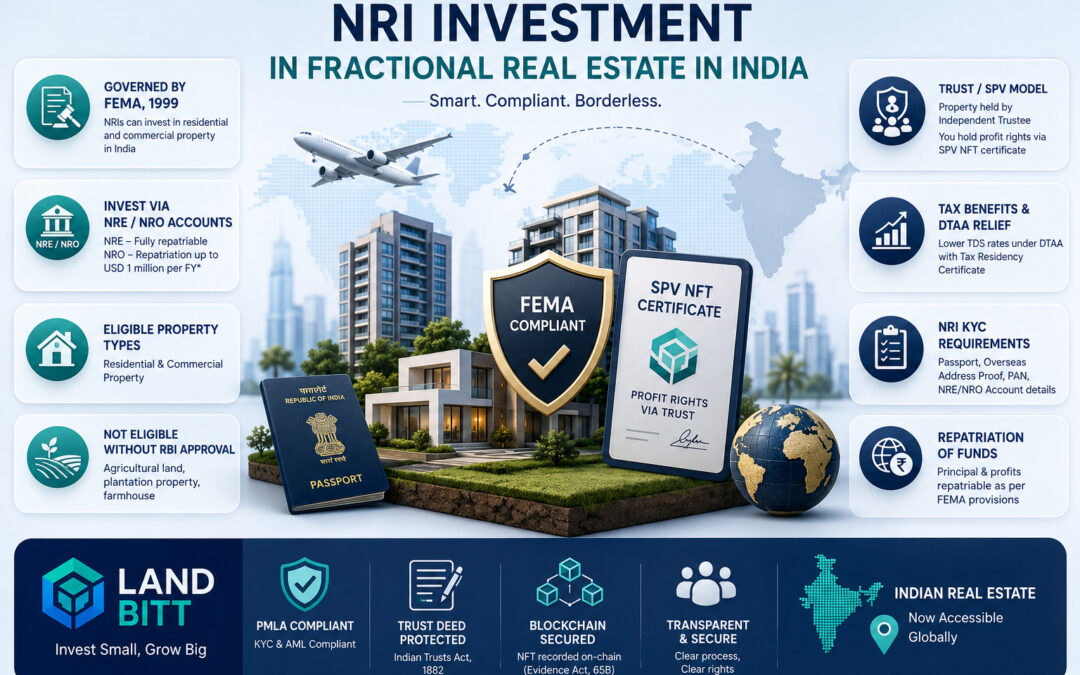
Landbitt structures investments through a registered Trust under the Indian Trusts Act, 1882, with an independent Trustee holding registered title. Investor holdings are profit rights via SPV NFT certificates — these are structurally separate from Landbitt’s operating company. Consequently, investor interests are protected from Landbitt’s balance sheet liabilities.
Compliance and Documentation
Landbitt conducts KYC verification for all investors in accordance with PMLA, 2002. Furthermore, each listed asset undergoes independent legal due diligence, with title deed and encumbrance certificates available to investors. Blockchain-based NFT certificates provide an independently verifiable record of investor profit rights. Importantly, these records comply with Indian Evidence Act, 1872, Section 65B requirements for electronic records.
Exit Protection
The Trust Deed includes successor Trustee provisions. Therefore, if Landbitt ceases operations, the registered Trust and its assets continue to exist under the successor Trustee’s management. Investor profit rights remain intact, as the Trust structure operates independently of Landbitt’s corporate existence.
Internal Links for Further Research
This checklist connects to several related topics. Specifically, you can read our detailed guide on what an SPV is in real estate and how it works in Indian fractional investment structures. Additionally, our guide on the Indian Trusts Act, 1882 explains the legal foundation for Trust-based fractional platforms. Furthermore, our article on what happens if a fractional platform shuts down covers the exit scenarios in more detail.
Related guides
- Complete guide to fractional land investment in India
- Fractional ownership vs REITs: which suits Indian investors?
- Best fractional real estate platforms in India
- Free platform safety scorecard tool
Frequently Asked Questions
How do I verify a fractional real estate platform in India?
Check five areas: the legal structure (Trust or SPV), asset segregation from the platform’s balance sheet, KYC/AML compliance, underlying asset documentation, and platform-exit protection built into the Trust Deed or SPV agreement.
What is the difference between an SM REIT platform and a Trust/SPV platform?
SEBI-regulated SM REITs are exchange-listed and governed by SEBI’s Real Estate Investment Trusts Regulations (2014, amended 2023). Trust/SPV platforms operate under the Indian Trusts Act, 1882 and issue profit rights to investors. These are structurally distinct — therefore, the verification questions for each differ.
What documents should a fractional platform share with investors?
A transparent platform should share the Trust Deed or SPV formation documents, the registered title deed, an encumbrance certificate from the land records office, an independent legal due diligence report, and an AML/KYC policy document.
What does asset segregation mean in fractional real estate?
Asset segregation means the investment property is held in a separate Trust or SPV — not on the platform company’s balance sheet. Consequently, if the platform faces insolvency, investor assets are protected from platform creditors.
Why does Evidence Act Section 65B matter for NFT-based investments?
Section 65B of the Indian Evidence Act, 1872 governs the admissibility of electronic records in court. Therefore, for an NFT certificate representing profit rights to be legally enforceable as evidence, it must meet Section 65B’s conditions for electronic record certification.