
TL;DR: Landbitt’s security model rests on a clear separation: the underlying property sits with a Trust or SPV structure, while your digital ownership unit stays under your own control, not the platform’s. Blockchain-based recordkeeping makes ownership records tamper-resistant, and platform access runs through identity verification. Security improves trust in the system — it doesn’t remove market risk or guarantee returns.

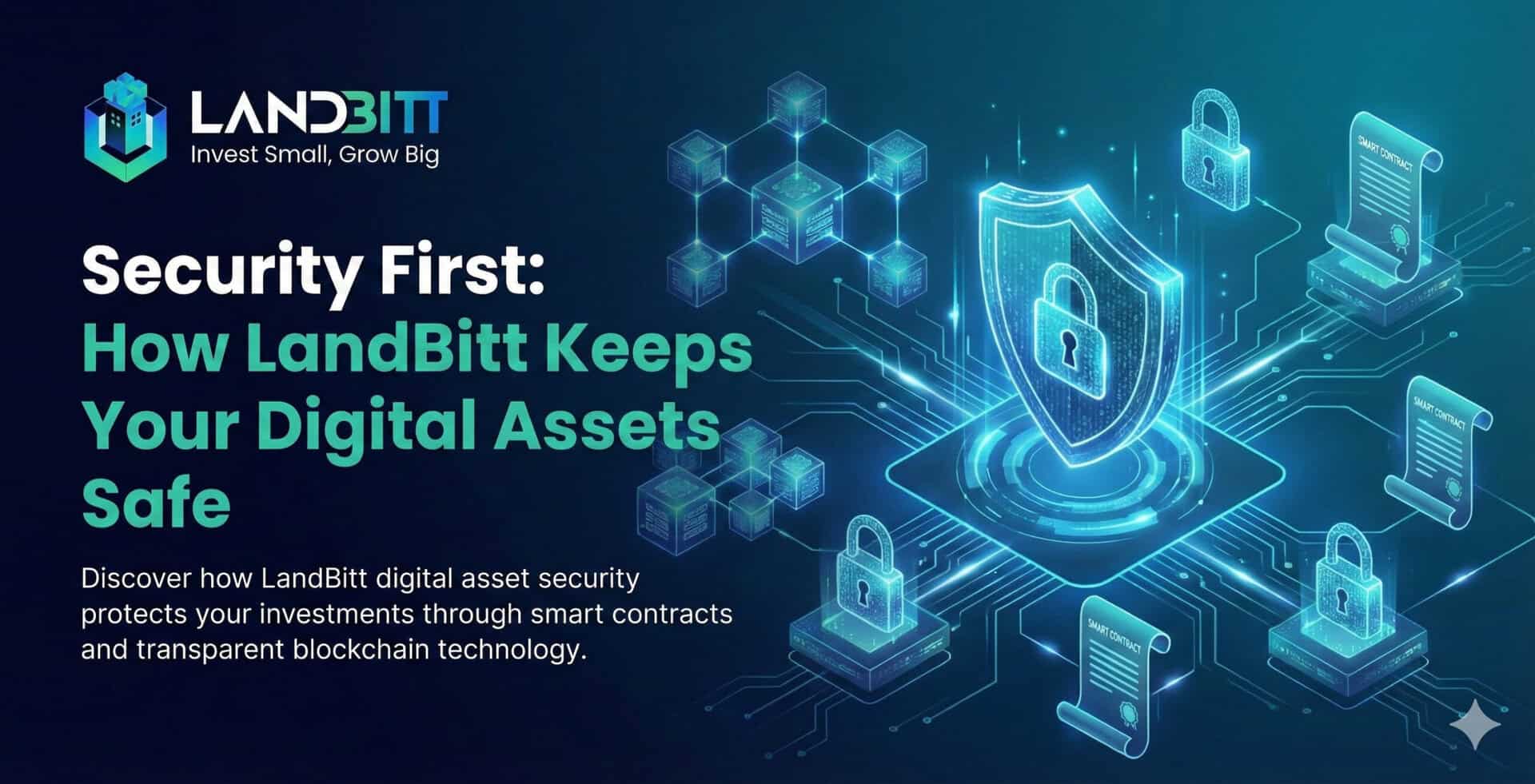
Security First: How Landbitt Keeps Your Digital Assets Safe
Investing in digital real estate should feel safe, not like a leap of faith. Most people’s real worries here are specific: fraud, data loss, or unclear ownership records. Landbitt’s security approach is built around addressing exactly those three things directly, rather than offering vague reassurance.
How does the underlying structure actually keep things safe?
The legal structure does most of the real work here. Each property sits within a Trust or SPV, which defines investor rights and ownership terms clearly before anyone invests. This isn’t a security feature bolted on afterward — it’s the foundation everything else builds on.
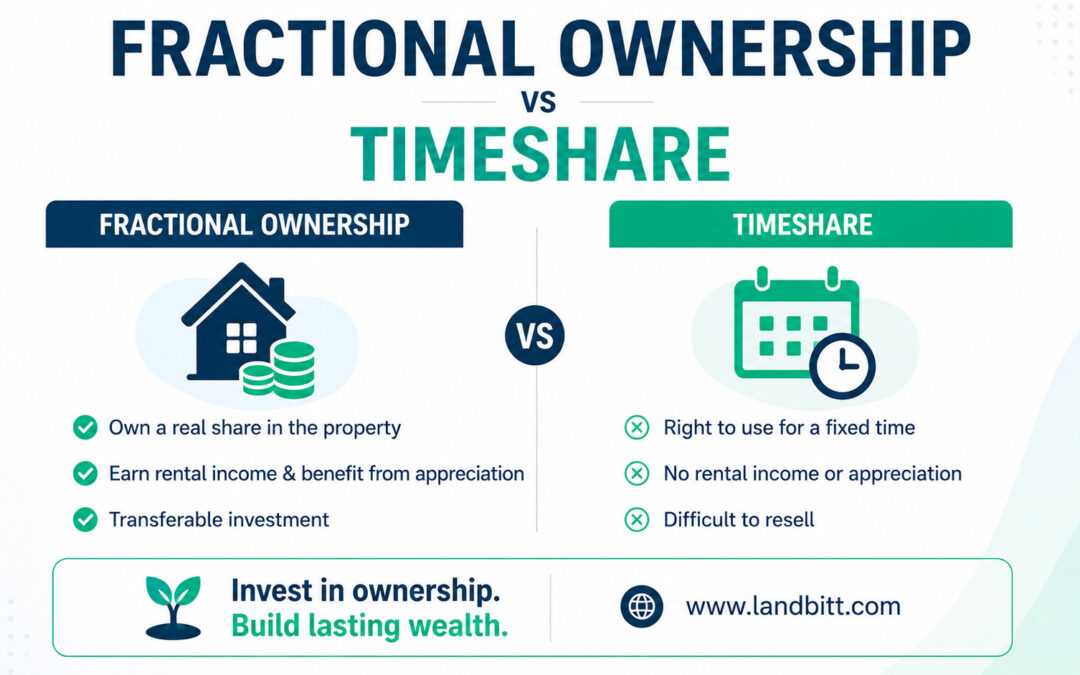
For the full picture of how that structure works, see our guide on real estate tokenization in India.
Who actually controls your digital ownership unit?
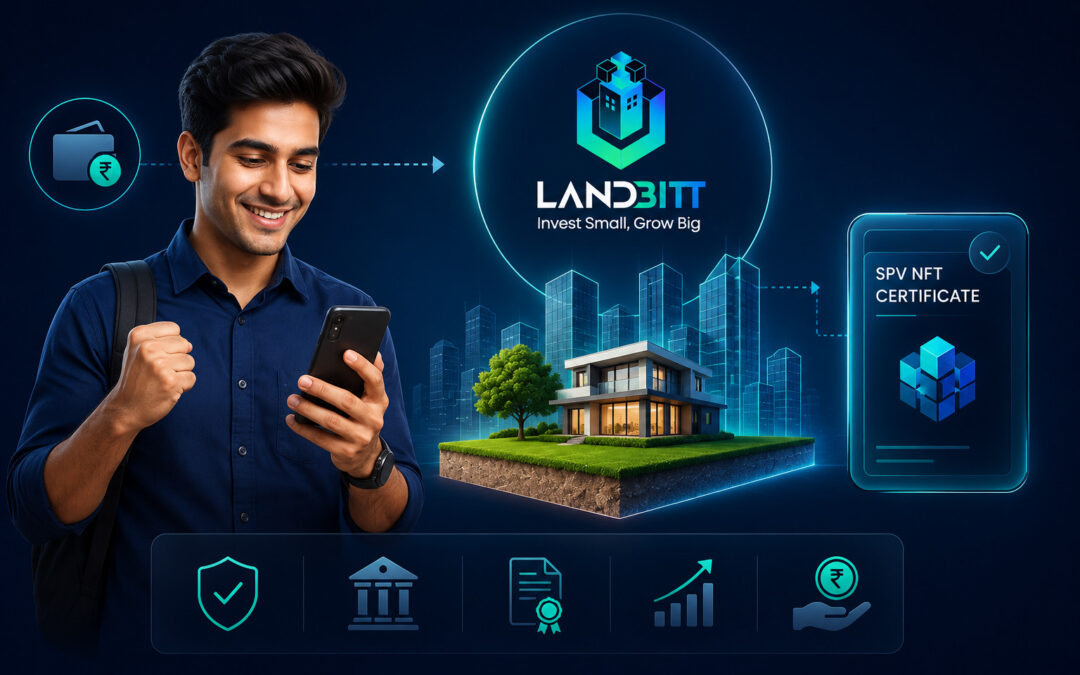
You do. Your digital ownership unit belongs to you, not to the platform. Landbitt doesn’t take custody of your unit — it stays under your own control, recorded on the blockchain rather than held in a platform-controlled account. This matters because it means your ownership record exists independently of any single system continuing to operate exactly as it does today.
It’s worth being precise about what this does and doesn’t mean: your unit represents your beneficial interest in the underlying Trust/SPV structure — it isn’t a separate claim that exists apart from that structure. Non-custodial control over your unit and the Trust holding the actual property are two different things, working together rather than competing with each other.
How does blockchain recordkeeping actually help here?
Blockchain technology means your ownership record can’t be quietly changed or erased after the fact. Each update gets stored permanently, and the full history stays visible. Because the record is transparent, you’re not relying purely on manual paperwork — and it meaningfully reduces the kind of disputes that arise from unclear or contested ownership history.
What does Landbitt actually do to keep the platform itself secure?
Platform access runs through identity verification, and transactions operate within structured governance frameworks designed to reduce avoidable risk. Login systems, transfers, and dashboards follow defined rules built to prevent errors before they happen, rather than just catching them afterward.
Security is also not a one-time setup. As new risks emerge in how digital infrastructure gets targeted, platforms in this space generally need to keep their safety practices current — this is an ongoing responsibility, not a box that gets checked once and forgotten.
Does security like this eliminate investment risk?
No — and it’s worth being direct about that. Security protects the integrity of records and access. It doesn’t protect you from market risk, infrastructure execution delays, or the underlying property simply underperforming. A well-secured investment can still lose value if the asset itself doesn’t perform — security and investment risk are two separate things, and conflating them does investors a disservice.
Related guides on modern real estate investment
For deeper context on the technology and governance models behind this:
- Real Estate Tokenization in India: A Complete Guide
- Fractional Ownership in India Explained
- Blockchain in Real Estate: Benefits and Use Cases
- The SIP Approach to Land Investing
Frequently Asked Questions
How does Landbitt protect investor digital assets?
Through a combination of non-custodial ownership (you control your digital unit, not the platform), blockchain-based recordkeeping, identity verification, and structured governance frameworks.
Does Landbitt hold custody of my investment?
No. Your digital ownership unit stays under your own control. The underlying property itself is held through a Trust or SPV structure, which is a separate, legally defined arrangement from custody of your unit.
Is real estate tokenization secure for investors?
It can improve transparency and ownership tracking when implemented within a properly structured legal framework. The technology supports accountability — it doesn’t replace the need for sound legal documentation underneath it.
Does better security mean guaranteed returns?
No. Security protects record integrity and platform access. It has no bearing on whether the underlying property performs well — that still depends on market conditions, location, and execution.
Can investors track their participation in real estate assets?
Yes. Dashboards and reporting let you track your participation, transaction records, and asset updates over time.