
TL;DR: The Asset Tokenisation (Regulation) Bill, 2026 is a Private Member’s Bill introduced in the Rajya Sabha in March 2026. It proposes legal recognition, regulatory oversight, and investor protection for tokenized real-world assets in India. It has not been passed into law. Its core provisions — legal recognition of asset tokens, multi-regulator jurisdiction, custody requirements, and lifecycle regulation — represent a genuinely significant proposal. However, evaluating any current platform's legitimacy should rest on today's actual legal framework. It should not depend on this bill’s eventual fate.

Asset Tokenisation Bill 2026 Explained: What It Proposes, and Its Actual Status
The Asset Tokenisation (Regulation) Bill, 2026 has generated real attention in India’s digital asset and real estate technology sectors — and for good reason. It’s a genuinely substantive legislative proposal. It’s also, as of this writing, exactly that: a proposal. This guide breaks down what the bill actually contains. It also clarifies its current legal standing, since the two get conflated often enough to be worth separating clearly.
What is the Asset Tokenisation Bill 2026?
Rajya Sabha MP Raghav Chadha introduced the Asset Tokenisation (Regulation) Bill, 2026 in March 2026, as a Private Member’s Bill — meaning it originated from an individual MP rather than the government. It proposes a legal, regulatory, and institutional framework for tokenized real-world assets (RWAs). The bill covers categories like real estate, infrastructure, and financial instruments.
The bill defines an “asset token” as a digital representation of ownership, rights, or economic benefit in an underlying asset, recorded using distributed ledger technology. Importantly, the bill’s own framing draws a careful distinction. Issuing a token doesn’t, by itself, transfer ownership of the underlying asset — a deliberate design choice meant to give tokens legal standing without overriding existing property law.
What are the bill’s core proposed provisions?
Legal recognition of digital ownership representation. The bill would formally recognize asset tokens as valid digital representations of rights in an underlying asset. This does not currently exist as explicit statutory law in India.
A multi-regulator jurisdiction model. Rather than creating a single new regulator, the bill proposes that jurisdiction follow the underlying asset type. For example, SEBI for securities-linked tokens, RBI for payment-related tokens, and other sector regulators for specialized categories. There would also be a coordination mechanism between them.
Custody and investor protection requirements. The bill proposes that both underlying assets and their corresponding tokens be held with registered custodians, with strict segregation of client assets. Worth noting specifically: this proposed model leans toward custodial arrangements rather than self-hosted control. This is a meaningfully different approach than some platforms currently use.
Lifecycle regulation. The bill covers the full chain from token issuance and disclosure requirements, through trading on regulated venues, to custody and ongoing compliance. It does this rather than regulating only one part of the process.
Enforcement mechanisms. Proposed penalties for fraud or unregistered issuance include significant fines and potential imprisonment. There would also be civil consequences like asset freezes or registration cancellation.
Has this bill actually become law?
No. This is the single most important fact to get right when discussing this bill, and it’s worth stating without hedging: the Asset Tokenisation (Regulation) Bill, 2026 has been introduced in Parliament. It has not been passed or enacted. It’s a Private Member’s Bill. Historically, very few Private Member’s Bills become law without government sponsorship or backing — the last one enacted this way in India was decades ago.
That doesn’t make the bill unimportant. It puts a substantive, detailed framework on the table for the government and other lawmakers to engage with. It also reflects real movement in how India’s policymakers are thinking about this space. But describing it as current law, or implying that asset tokenization is now formally legalized in India because of this bill, would be inaccurate.
How does this bill relate to how tokenization already works in India today?
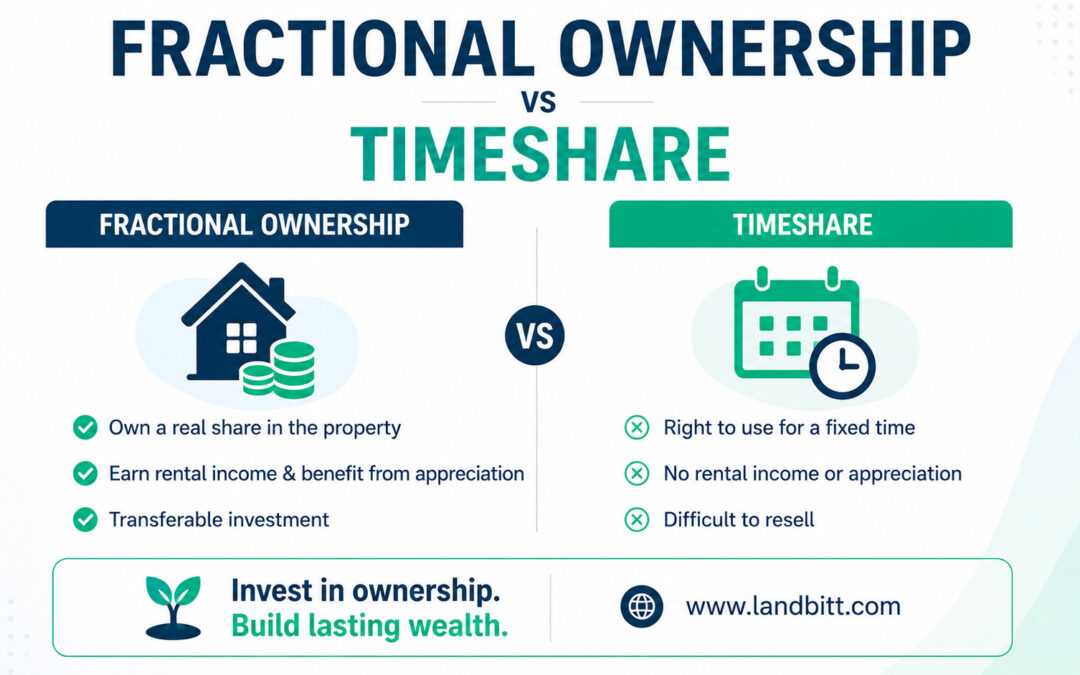
Tokenized real estate participation already operates in India under existing legal frameworks — typically a Trust or SPV holding the underlying property, with investors holding a beneficial interest in that structure. This doesn’t depend on the Asset Tokenisation Bill passing. It’s functional under current trust and contract law right now. For the specifics of that structure, see our guide on real estate tokenization in India.
If this bill (or some version of it) eventually passes, it would likely add a dedicated regulatory layer on top of these existing arrangements — formal licensing, defined custody rules, clearer jurisdictional lines — rather than creating the underlying concept of tokenized asset participation from nothing.
What would change for platforms if this bill eventually passed?
A few genuine implications worth understanding, framed as what would happen if enacted, not as settled fact:
- Platforms might need formal registration with a designated regulator, rather than operating purely under existing trust/contract law
- Custody arrangements might need to shift toward registered custodians for both the underlying asset and the token, which is a different model than self-directed or platform-managed custody
- Compliance requirements would likely become more standardized across the sector, rather than varying significantly platform to platform
None of this is current law. It’s a reasonable read of what the bill’s text proposes, should it eventually move forward.
Related guides
- Complete guide to fractional land investment in India
- Budget 2026 and crypto tax implications for real estate investors
Frequently Asked Questions
Is the Asset Tokenisation Bill 2026 currently law in India?
No. It was introduced in the Rajya Sabha in March 2026 as a Private Member’s Bill and has not been passed or enacted.
Who introduced the Asset Tokenisation Bill 2026?
Rajya Sabha MP Raghav Chadha introduced it as a Private Member’s Bill.
Which regulators would oversee tokenized assets under this bill?
The bill proposes a multi-regulator model: SEBI for securities-linked tokens, RBI for payment-related tokens, and other sector-specific regulators depending on the asset category.
Does this bill make real estate tokenization legal for the first time?
No. Structured real estate tokenization already operates under existing Indian trust and contract law. This bill would add a dedicated regulatory framework on top of that, not create legal tokenization from scratch.
What happens to current platforms if this bill eventually passes?
They would likely need to adapt to new registration and custody requirements over time, with transitional provisions typically built into this kind of legislation to allow existing arrangements to migrate into the new framework.