

Blockchain in Real Estate: A Technical Guide
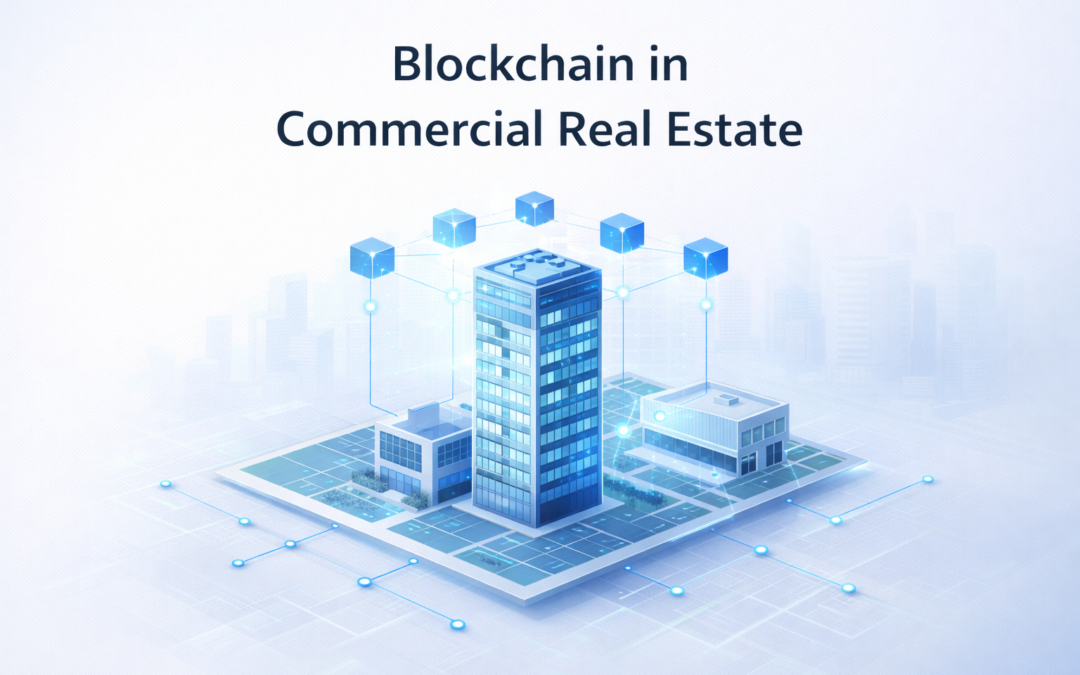
Understanding the implications of Blockchain in Real Estate can transform traditional property transactions, offering more security and transparency.
- Immutable Records: Blockchain technology creates a permanent, unalterable digital ledger for property data. It’s how blockchain influences real estate.
- Tokenization: This process divides economic rights into smaller digital units, enabling fractional participation.
- Legal Integration: Digital tokens work alongside Special Purpose Vehicles (SPVs) to ensure regulatory compliance.
- Public Verification: Networks like Polygon allow independent verification of transaction history without intermediaries.
The Challenge of Property Records
Investors often ask how they can verify ownership without relying solely on physical paperwork. Traditional property markets depend heavily on paper deeds. Unfortunately, these physical records can be difficult to access, slow to transfer, or prone to errors.
The implementation of blockchain in real estate addresses these specific inefficiencies. By shifting data from isolated government offices to a distributed digital network, the industry gains transparency. This guide explains the technical mechanism, the concept of tokenization, and the legal structures that validate these digital assets.
What is Blockchain in Real Estate?
Fundamentally, a blockchain functions as a digital ledger. Unlike a standard database stored on a single server, this ledger exists across many computers simultaneously. Once a user enters data, the network protocols prevent anyone from deleting or altering it retroactively.
In the context of property, blockchain in real estate serves as a “single source of truth.” It records asset details, transaction history, and ownership rights. Consequently, all parties can view the same data instantly. This transparency reduces the reliance on blind trust during transactions.
How the Technology Functions
The integration of this technology follows a logical sequence. It bridges the gap between physical assets and digital records in real estate blockchain systems.
- Asset Verification: First, experts vet the physical property and verify existing titles.
- Digital Recording: Next, the system creates a unique digital identifier for that specific asset.
- Transaction Execution: When a transfer occurs, the network updates the ledger automatically.
- Audit Trail: Finally, the system preserves a permanent history of that transfer.
Tokenization Explained
Tokenization is a primary application of blockchain in real estate. It refers to the method of representing fractional rights to an asset as digital tokens, enabling new ways to invest.
The Pizza Analogy
To understand this concept, visualize a large pizza. A single individual might not wish to purchase the entire pizza. Alternatively, they may simply want a smaller portion. The restaurant can slice this pizza into several equal pieces.
Here, the property represents the pizza, and the tokens represent the slices. Owning a token does not mean you own a specific corner of the land. Instead, it indicates that you hold a specific percentage of the economic interest in that asset. These digital assets facilitate easier management of fractional rights through blockchain.
The Role of Blockchain Networks
The security of these records depends on the underlying network. Landbitt utilizes established public ledgers, such as the Polygon network.
Public blockchains offer distinct advantages over private databases in real estate applications. A private database relies on a central administrator who could potentially manipulate data. In contrast, a public blockchain creates a decentralized record. An investor can independently verify their holdings using a public block explorer. Therefore, the proof of ownership remains accessible regardless of the platform’s operational status.
Legal and Structural Setup
Digital records must align with local laws to hold value. Technology alone cannot replace legal ownership. Therefore, the Special Purpose Vehicle (SPV) plays a critical role.
The Function of the SPV
An SPV is a distinct legal entity, often a private limited company. Its sole purpose is to hold the title of the physical property. When an investor purchases a token, they are effectively acquiring a share in this SPV, integrating blockchain in real estate transaction models.
The blockchain record mirrors the legal shareholding registry of the SPV. This dual-layer structure ensures that every digital token corresponds to a legally recognized share. Consequently, investors benefit from compliance with corporate regulations while enjoying digital efficiency in real estate blockchain applications.
Geographic Context
The adoption of these digital systems is accelerating in high-growth economic regions. Markets that prioritize infrastructure development are increasingly integrating digital land registries.
Notable regions include:
- India: Fast-developing hubs like Ahmedabad, Gurgaon, and Dholera SIR.
- Global Hubs: Established markets such as Dubai, Shanghai, and Singapore.
In these locations, digital transparency helps streamline investment from diverse regions. It reduces the friction often associated with cross-border property interest, using blockchain in real estate transactions.
How Landbitt Presents Data
Landbitt utilizes these technologies to provide structured information to users. The platform aggregates legal documents, financial performance data, and blockchain records into a single dashboard.
This approach eliminates ambiguity. By combining the legal protection of an SPV with the transparency of blockchain in real estate, the system provides a verifiable audit trail. Investors can examine the data directly, supporting a factual and informed decision-making process.