
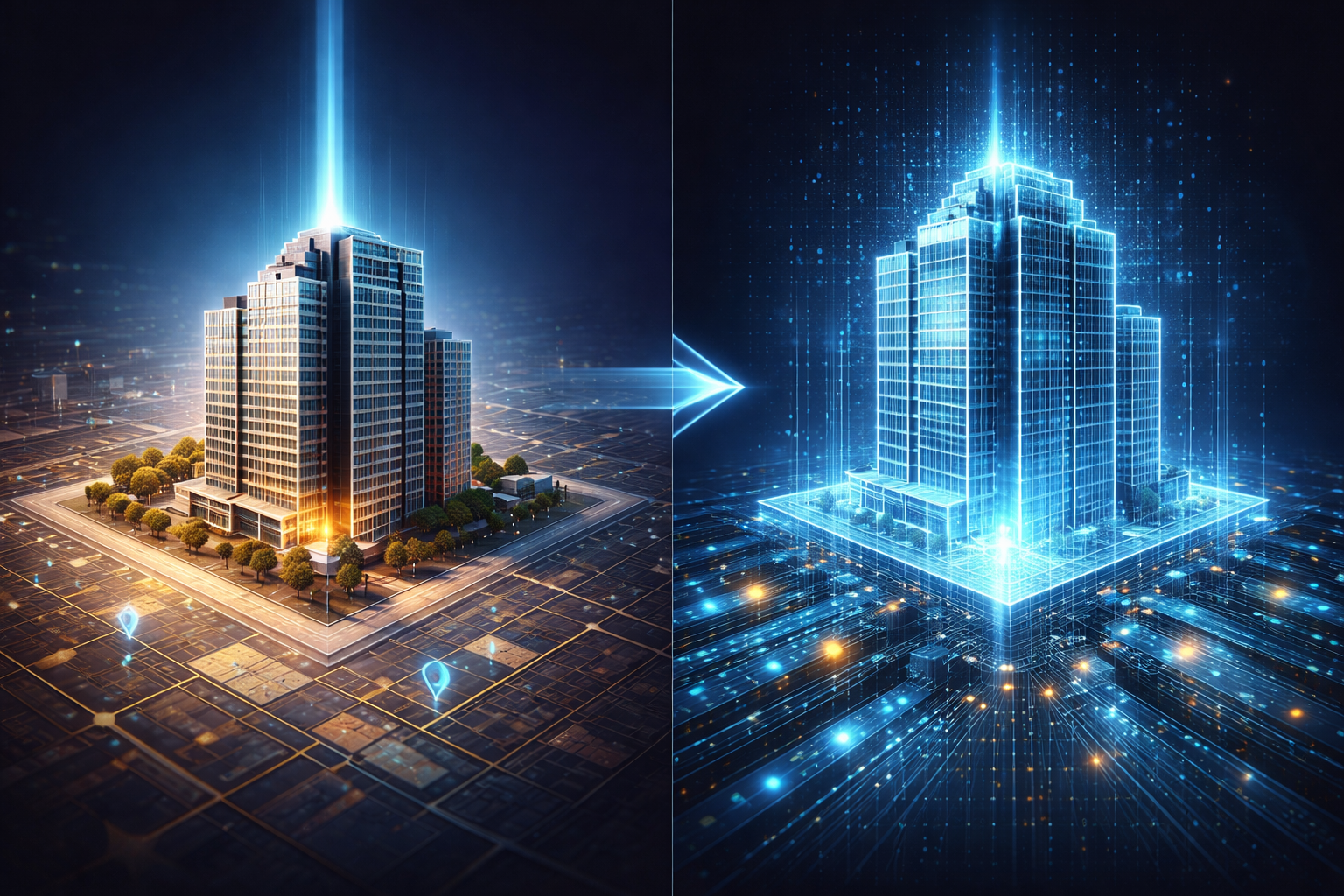
Tokenized Real Estate: The Tech Behind Safe Investing
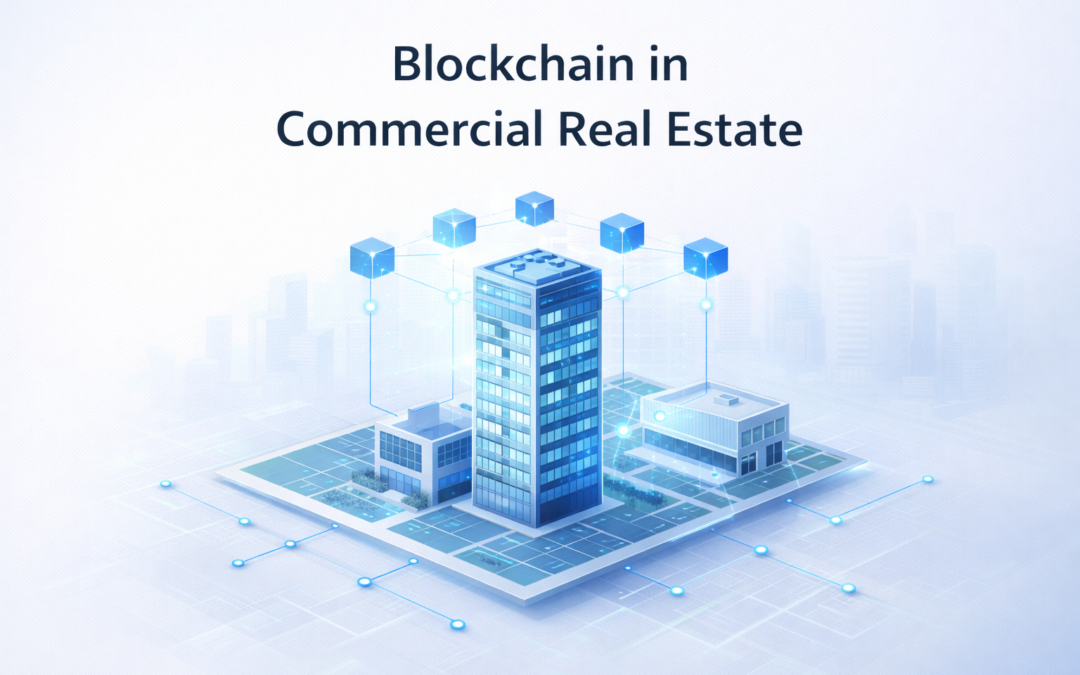
Tokenized real estate is reshaping how people can access and invest in property.
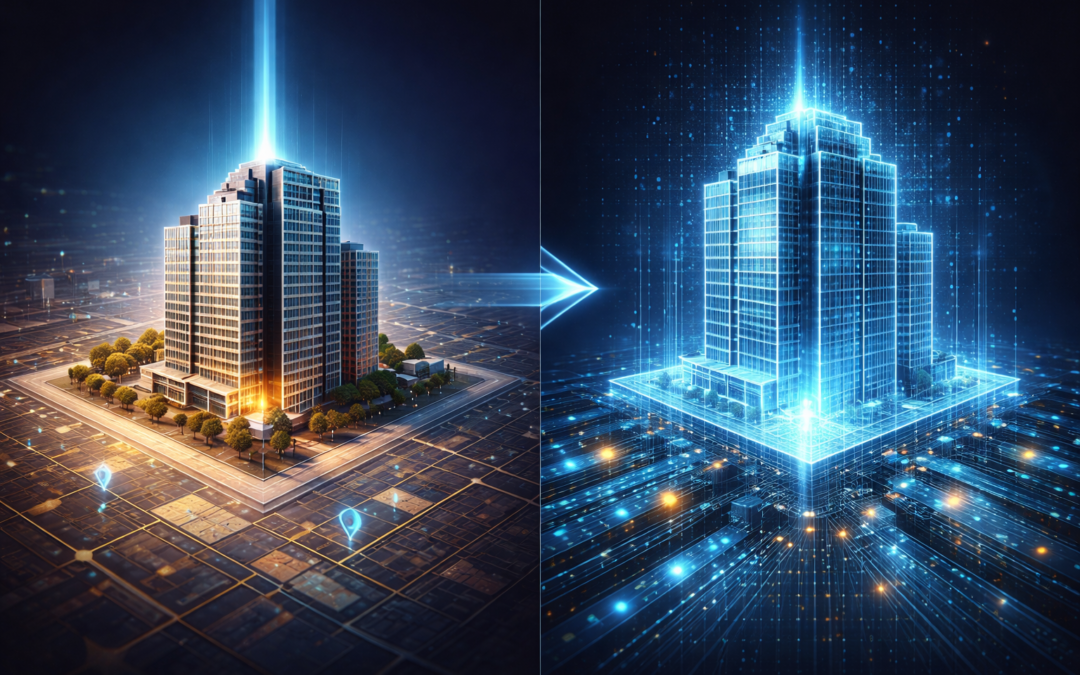
- The Definition: Tokenized real estate creates a digital “twin” of a physical property on a blockchain.
- The Function: It acts as an unchangeable ownership proof, replacing easily lost paper deeds.
- The Benefit: This technology allows for instant verification and enables fractional investment.
- The Security: Landbitt uses the Polygon network to ensure your digital tokens are secure and transparent.
We verify physical land and secure it with digital code.
The “Double Spending” Problem
In traditional property markets, a massive risk exists: fraud. A dishonest seller might sell the same plot of land to two different people. Because government records move slowly, the buyers often realize the scam too late.
However, tokenized real estate solves this specific problem. By moving the record-keeping from dusty files to a digital ledger, we create a system where double-spending becomes impossible. Consequently, you know exactly what you own, and no one else can claim it.
At Landbitt, we use this technology not just for speed, but for absolute truth in ownership.
What is Tokenized Real Estate?
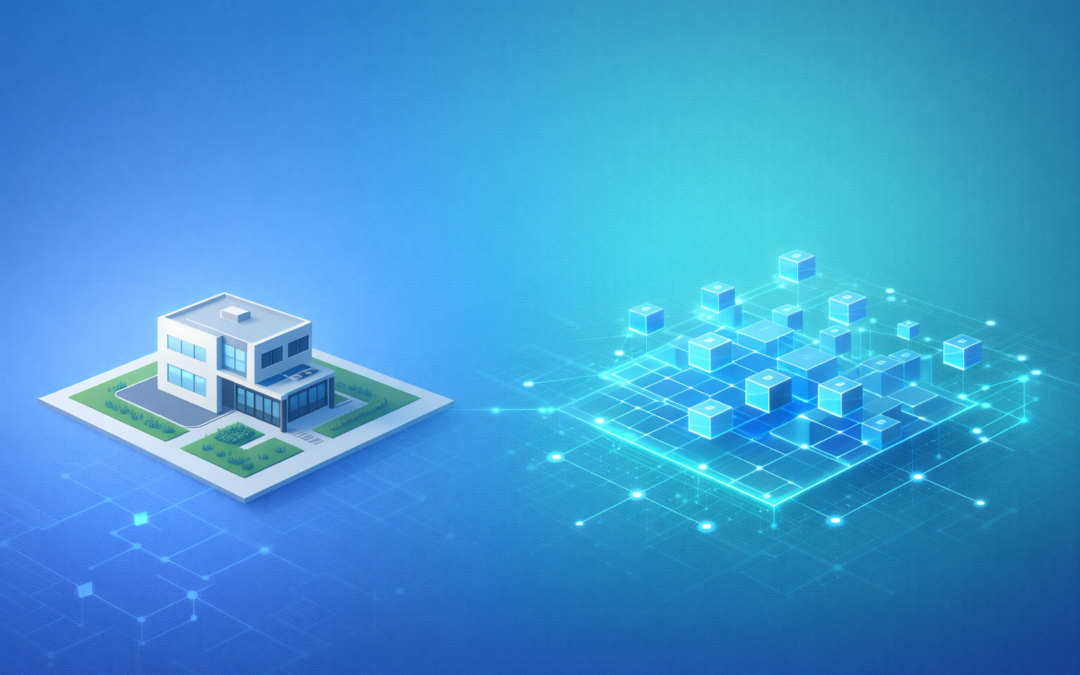
Let’s strip away the jargon. Imagine a physical house. Now, imagine a secure digital certificate that proves ownership of that house. That certificate is the token.
Therefore, tokenized real estate is simply the bridge between the physical world (bricks and land) and the digital world (security and speed).
When we tokenize a property, we split that digital certificate into thousands of smaller pieces. This process allows you to own a fraction of a high-value asset, like a commercial plot in Shanghai or Mumbai, without buying the entire building.
How Blockchain Powers the System
You cannot have tokens without a network to store them. This is where blockchain comes in.
Think of the blockchain as a glass vault. Everyone can see inside, but no one can break in. When you buy a token on Landbitt, the network records the transaction permanently. Unlike a bank server that an administrator can edit, the blockchain ledger remains immutable.
We utilize the Polygon network for this purpose. It ensures that your ownership record survives even if our website goes down. It provides you with a decentralized proof of investment.
Why Is This Better Than Paper Deeds?
Paper deeds fade, tear, and get lost. Conversely, tokenized real estate lives on a distributed network. Here is why smart investors prefer the digital route:
- Instant Settlement: Traditional deals take months to close. Token transfers happen in minutes.
- Transparency: You can view the entire history of the asset. You know exactly who owned it before you.
- Liquidity: Because the process is digital, you can sell your tokens on our marketplace much faster than selling a physical house.
Safety First: The SPV Structure
Technology is powerful, but it must follow the law. We do not simply create digital tokens out of thin air.
We back every unit of tokenized real estate with a real-world legal structure. A Special Purpose Vehicle (SPV) holds the physical land title. The tokens represent shares in that SPV. This dual-layer approach ensures that you have both legal protection and digital efficiency.
Conclusion: The Future of Ownership
The world is moving from analog to digital. We stream movies instead of buying DVDs. We send emails instead of letters.
Similarly, property investment is evolving. Tokenized real estate offers a safer, faster, and more accessible way to build wealth. It removes the friction and keeps the value.
Visit Landbitt.com to see how we secure your assets on the blockchain.