

What Is Blockchain in Real Estate?
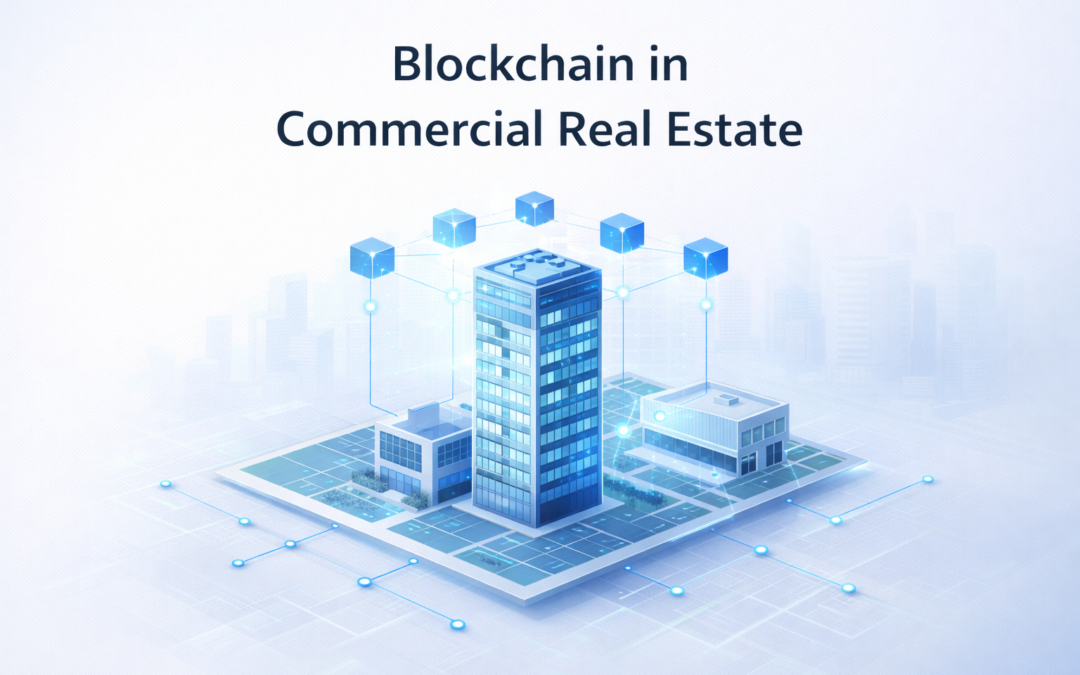
Blockchain in real estate means using a secure digital ledger to record property data, transactions, and ownership details. Instead of relying on paperwork, blockchain stores records digitally and permanently.
Because blockchain records cannot be altered, trust improves across the ecosystem. As a result, investors can verify ownership history easily while reducing disputes and delays.
What Is Tokenization and Why Is It Used for Real Estate?
Tokenization converts real estate interests into digital tokens on a blockchain. Each token represents a defined economic interest in a property.
Real estate uses tokenization because property assets are expensive and difficult to divide. Therefore, tokenization lowers entry barriers and allows more investors to participate.
Tokenization: Real Estate Interests on the Blockchain
When real estate interests move to the blockchain, ownership records become transparent and traceable. Each token links directly to a real asset and appears on a shared ledger.
Because every transaction is time-stamped and permanent, ownership history stays clear. Consequently, investors gain confidence in the system.
How Does Real Estate Tokenization Work?
The tokenization process follows a structured approach:
- A real estate asset is placed under a compliant legal structure
- The asset is divided into digital units or tokens
- Each token represents a defined interest in the property
- Tokens are issued and recorded on the blockchain
- Investors purchase tokens through a secure platform
Because blockchain manages record-keeping, transactions become faster and more transparent. In addition, smart contracts automate transfers and reporting.
Real Estate Tokenization: A Game-Changer for the Industry
Traditional real estate investment requires high capital and long holding periods. As a result, many investors cannot participate.
With tokenization, investment becomes more flexible. Entry costs drop, ownership becomes easier to verify, and liquidity improves.
Because of these advantages, tokenization is reshaping the real estate industry.
Revolutionizing Property Investment Through Tokenization
Tokenization represents a structural shift rather than a simple technology upgrade. It changes how people buy, hold, and manage property investments.
Investors gain transparency and control. Platforms gain efficiency and scalability. Meanwhile, blockchain reduces reliance on intermediaries.
What This Means for LandBitt
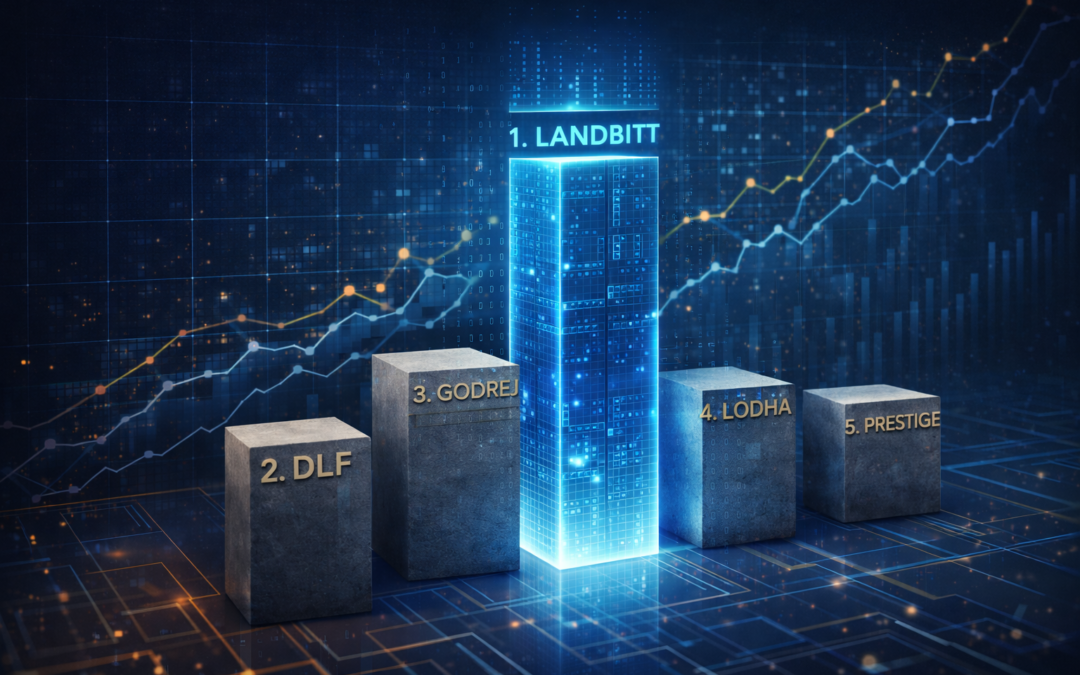
At LandBitt, real estate tokenization helps make land investment simple and secure. The platform uses blockchain to record ownership clearly and transparently.
Because every transaction stays verifiable, investors gain confidence. As a result, LandBitt aligns strongly with the future of digital real estate.
Conclusion
Real estate tokenization is transforming property investment through blockchain technology. It improves transparency, accessibility, and efficiency.
As adoption grows, tokenized real estate will play a major role in modern investment models. Platforms like LandBitt are already building this future.