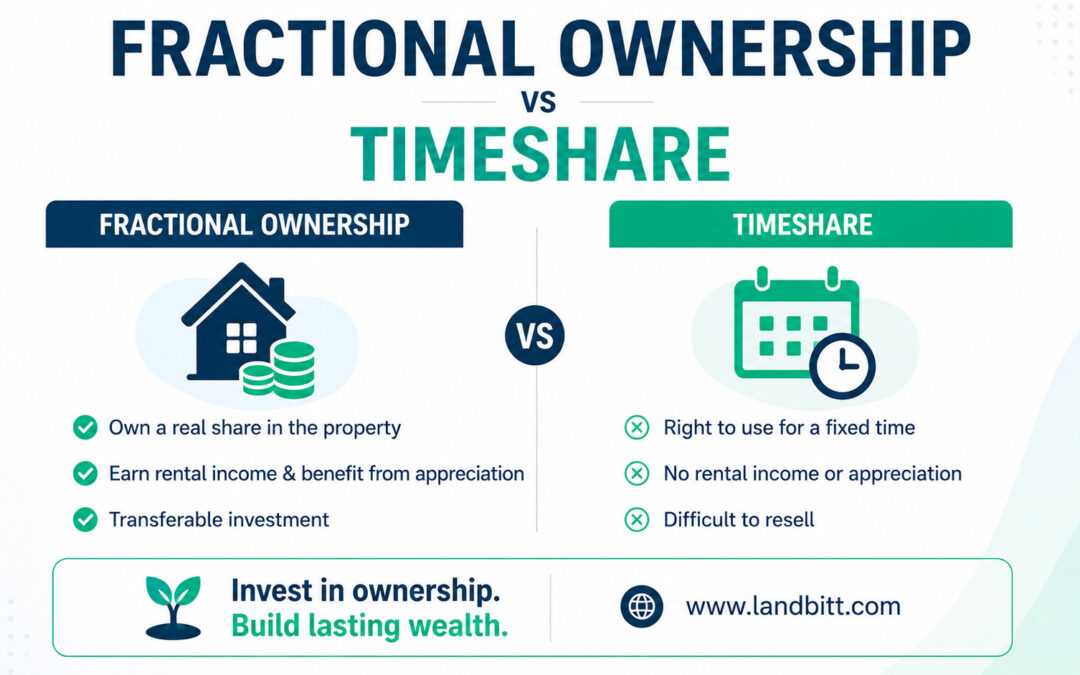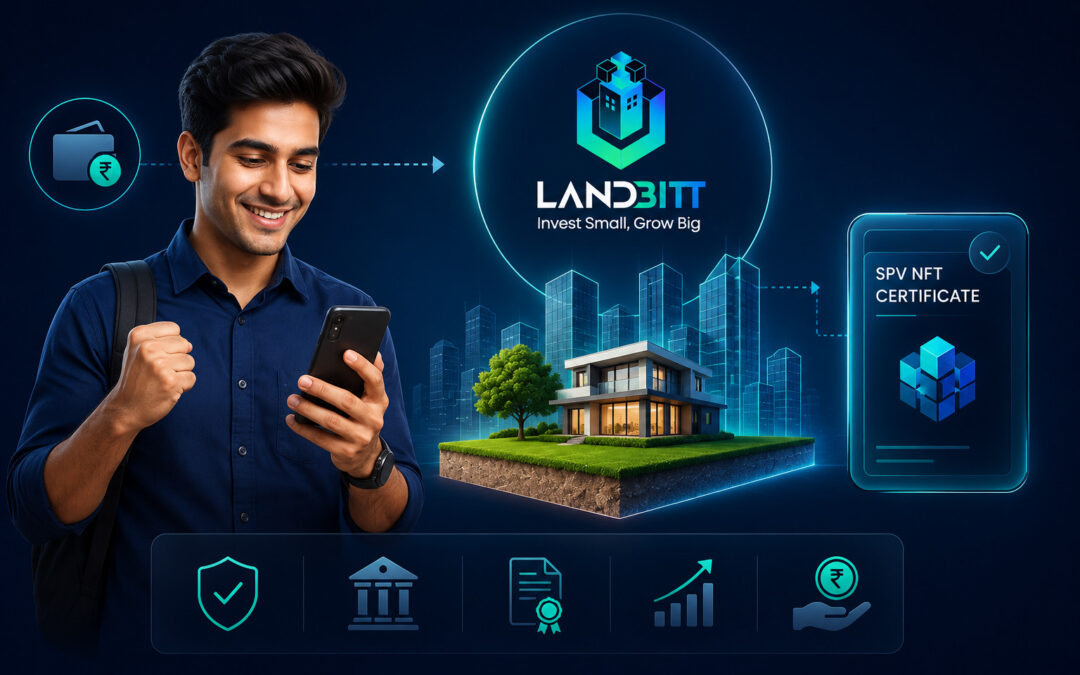


TL;DR: Structured real estate participation replaces informal property investment arrangements with defined governance, transparent documentation, and digital infrastructure. It addresses the traditional barriers of high capital requirements, ownership disputes, and unclear decision-making by organizing investor rights, profit distribution, and asset management into clear, documented frameworks — supported by technologies like digital land records, blockchain, and tokenization.

Why Structured Real Estate Participation Matters in Modern Property Investment
Real estate has traditionally been one of the most trusted asset classes for long-term wealth creation. However, traditional property investment often comes with challenges such as high capital requirements, ownership disputes, lack of transparency, and inefficient management structures.
Therefore, modern investors are increasingly exploring structured real estate participation models. These models introduce governance, transparency, and digital infrastructure into property ownership, making real estate participation more efficient and accessible.
Platforms focused on structured investment frameworks aim to combine technology with disciplined ownership models. As a result, investors can participate in real estate opportunities with greater clarity and confidence.
The Challenges of Traditional Real Estate Investment
Although real estate remains attractive, traditional ownership structures present several limitations. For example, investors often face large capital barriers, complex documentation processes, and limited liquidity.
Moreover, informal investment groups or unstructured syndicates can create governance risks. Without clear rules, disputes may arise regarding ownership rights, profit distribution, and decision-making authority.
Consequently, many investors are now seeking structured alternatives that improve transparency while maintaining the long-term benefits of property ownership.
What Is Structured Real Estate Participation?
Structured real estate participation refers to investment frameworks where property ownership is managed through transparent governance structures, defined participation models, and digital infrastructure.
In these systems, investors participate in property opportunities through organized frameworks rather than informal agreements. As a result, ownership rights, investment terms, and operational responsibilities are clearly defined.
Modern platforms such as structured real estate investment platforms aim to create disciplined participation environments for property investors.
The Role of Technology in Modern Property Participation
Technology is playing an increasingly important role in transforming property investment systems. Digital land records, blockchain infrastructure, and geospatial mapping are gradually improving the reliability of land ownership data.
For example, India is developing digital land record systems that improve transparency and reduce disputes. These innovations connect well with emerging concepts such as digital land records and blockchain property systems.
Because of these advancements, modern real estate participation models are becoming more structured, transparent, and efficient.
Why Investors Prefer Structured Property Models
Structured participation offers several advantages compared to traditional property ownership methods.
1. Improved Governance
Structured investment models define clear rules for participation, decision-making, and profit distribution. Therefore, investors can participate with greater clarity and reduced operational conflicts. For the specific mechanics of how this works — voting power, quorum, and decision thresholds — see real estate voting rights.
2. Better Transparency
Digital infrastructure improves transparency in property records, investment structures, and asset management processes. As a result, investors can better understand how their participation is managed.
3. Accessibility for Modern Investors
Traditional real estate often requires significant capital. However, structured investment models may allow broader participation opportunities through organized investment frameworks. For specifics on what that entry point actually looks like, see minimum investment in fractional real estate.
4. Integration with Digital Infrastructure
As property systems evolve, digital technologies such as blockchain and tokenization are expected to support transparent property ownership systems. Learn more about real estate tokenization in India, and see how Landbitt approaches digital asset security for the technical safeguards underneath that infrastructure.
Structured Participation vs Informal Real Estate Syndicates
Many investors participate in property through informal syndicates or investment groups. While these arrangements may offer opportunities, they often lack structured governance and legal clarity.
Structured participation models attempt to solve this problem by defining clear frameworks for ownership participation, asset management, and investor rights.
Consequently, these systems help reduce disputes and improve trust among participants.
The Future of Real Estate Participation
As the real estate sector continues to modernize, structured participation models are expected to become increasingly important. Governments are digitizing land records, technology platforms are improving transparency, and investors are seeking more organized investment environments.
In addition, modern investment strategies such as systematic approaches to land investing are emerging as alternative ways to build long-term property portfolios.
Therefore, the combination of governance frameworks and digital infrastructure is shaping the future of property participation.
Conclusion
Structured real estate participation represents a significant evolution in property investment. By combining transparent governance, digital infrastructure, and disciplined investment frameworks, modern platforms are helping investors participate in real estate more efficiently.
As technology and digital land systems continue to evolve, structured participation models may become a key foundation for the next generation of property investment in India.
Frequently Asked Questions
What is structured real estate participation?
Structured real estate participation refers to organized property investment frameworks where ownership, governance, and participation rules are clearly defined.
Why is structured real estate investment becoming popular?
Structured investment models improve transparency, governance, and investor protection compared to informal property investment arrangements.
How does technology support structured real estate participation?
Technologies such as digital land records, blockchain systems, and digital property platforms improve transparency and reduce ownership disputes.
What role does tokenization play in structured property investment?
Tokenization allows real estate participation to be represented digitally, enabling transparent and efficient ownership structures.
Is structured real estate participation the future of property investment?
Many industry experts believe structured participation models will become increasingly important as property markets adopt digital infrastructure and modern governance systems.