

TL;DR: Online real estate investment platforms in India let investors access property through structured participation models — typically SPVs or Trusts — instead of buying an entire property outright. Models vary (REIT-based, private fractional ownership, Trust-based structures), but all require KYC/AML compliance, and none offer guaranteed returns regardless of platform.

Online Real Estate Investment Platforms in India: How They Work & What Investors Should Know
Online real estate investment platforms in India are changing how investors access property markets. Traditionally, buying real estate required large capital, physical documentation, broker dependency, and long settlement timelines. Today, digital platforms are streamlining access while maintaining legal structure and compliance.
However, not all platforms operate in the same way. Some focus on REIT-like models. Others enable structured fractional participation through legal vehicles such as SPVs or Trust-based frameworks.
This guide explains how online real estate investment platforms in India work, what investors actually receive, how compliance is handled, and what risks must be considered.
What Are Online Real Estate Investment Platforms?
Online real estate investment platforms are digital systems that allow investors to access property investment opportunities through structured participation models.
Instead of purchasing an entire property independently, investors participate through legally defined frameworks that may include:
- Special Purpose Vehicles (SPVs)
- Trust-based ownership structures
- Fractional beneficial interest models
- Digitally recorded participation units
The goal is not to eliminate traditional ownership. Rather, it is to modernize access and recordkeeping while maintaining regulatory discipline.
How Online Real Estate Investment Platforms in India Work
1. Asset Identification and Due Diligence
The platform identifies a property opportunity. Legal due diligence, valuation checks, and documentation verification are conducted before listing.
2. Legal Structuring
A defined structure is created — often an SPV or Trust — that holds rights to the asset. This ensures clarity of ownership and fiduciary responsibility.
3. Investor Onboarding
Investors must complete mandatory KYC verification. This includes identity checks, banking verification, and AML screening.
4. Investment Participation
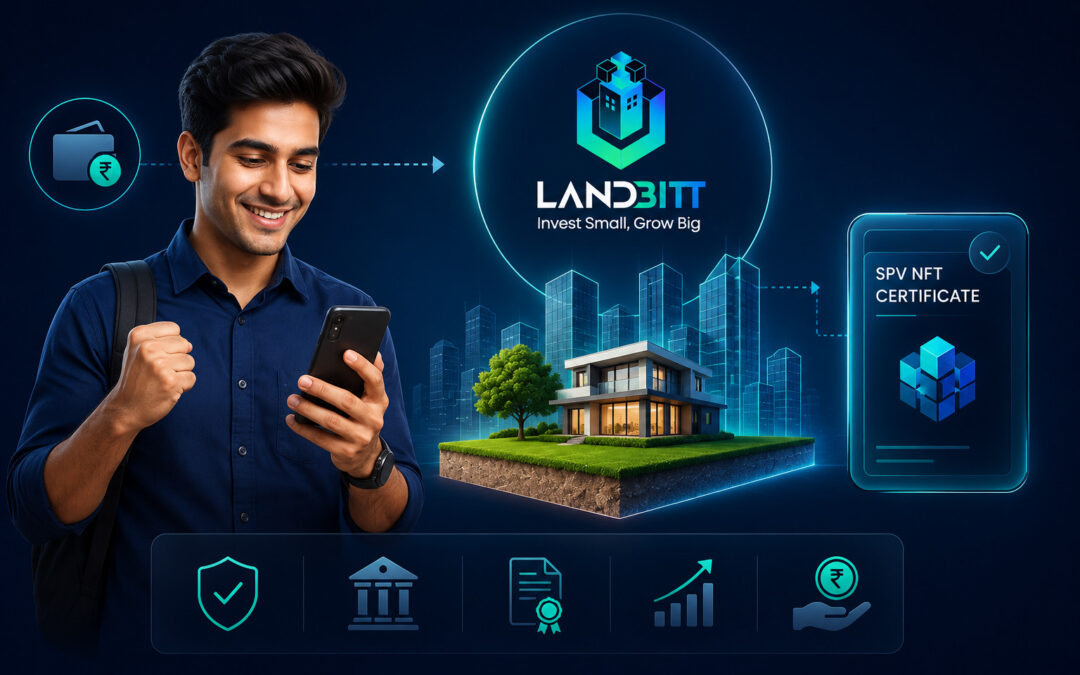
Investors contribute capital via regulated banking channels. In structured models, they receive documentation or digital certificates representing beneficial participation.
5. Ongoing Reporting
Platforms provide updates regarding rental income, maintenance expenses, regulatory filings, and potential exit events.
Types of Online Real Estate Investment Models in India
Understanding the structure is critical before investing.
REIT-Based Models
Publicly traded Real Estate Investment Trusts pool capital across multiple assets and distribute income proportionally.
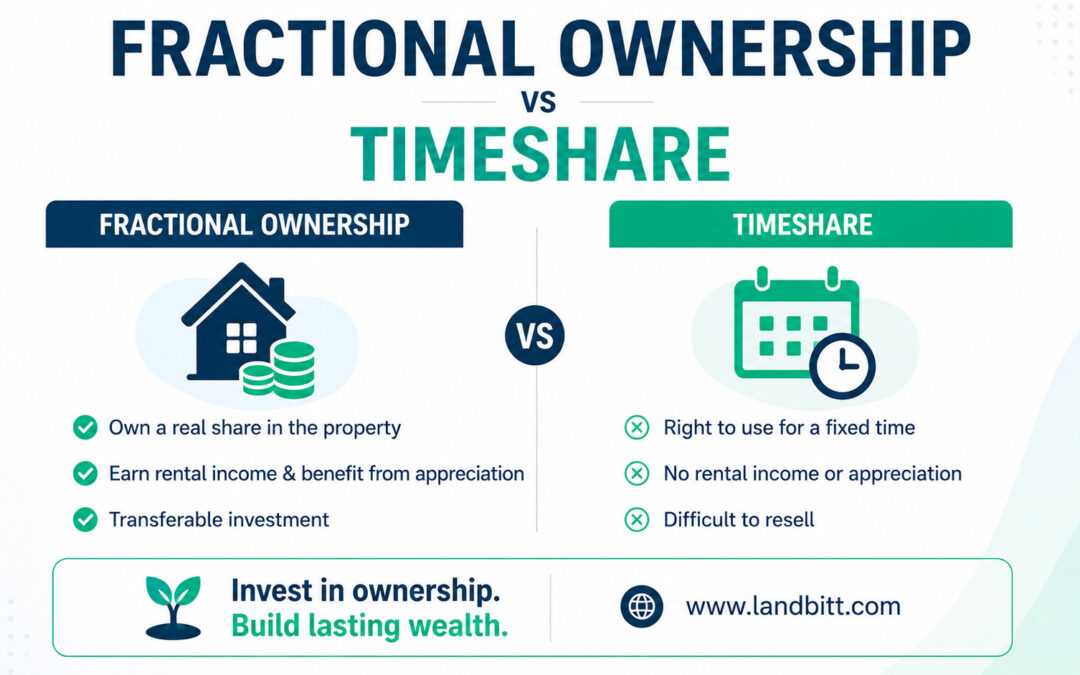
Private Fractional Ownership Platforms
These allow participation in specific properties through SPVs or structured agreements. For a checklist of what to actually look for in a platform like this, see our guide on choosing a land investment platform, and for how different platforms compare on a broader basis, see real estate investment options in India.
Trust-Based Property Structures
In some models, a Trust holds the property while investors hold beneficial interest in a specific asset, not the entire Trust portfolio.
To understand how structured tokenization works within such frameworks, read our pillar guide: Real Estate Tokenization in India.
Benefits of Online Real Estate Investment Platforms in India
Lower Capital Requirement
Investors can participate with smaller ticket sizes compared to full property purchases.
Improved Transparency
Digital systems allow better documentation tracking and reporting.
Defined Legal Structure
SPV or Trust-based models provide clarity regarding ownership rights and responsibilities.
Operational Efficiency
Digital onboarding reduces paperwork and speeds up participation.
Risks Investors Must Understand
Online access does not eliminate real estate risk. Investors should carefully evaluate:
- Market Risk: Property values may fluctuate.
- Liquidity Risk: Exit depends on buyer demand or defined exit events.
- Regulatory Risk: Policy frameworks may evolve.
- Platform Risk: Governance and compliance standards vary across providers.
Investors should always review risk disclosures before committing capital.
Compliance & KYC in Online Real Estate Platforms
Responsible platforms follow strict compliance frameworks, including:
- Mandatory KYC verification
- AML monitoring procedures
- Banking channel transparency
- Formal legal documentation
Compliance ensures that digital convenience does not compromise regulatory discipline.
Who Should Consider Online Real Estate Investment Platforms?
This model may suit:
- Retail investors seeking diversification
- NRIs looking for structured property access
- First-time property investors
- Financial advisors exploring alternative models
- Investors seeking exposure without full ownership burden
However, it remains a long-term investment decision influenced by market cycles and asset fundamentals.
How to Evaluate an Online Real Estate Investment Platform
Before investing, review:
- Legal structure clarity
- Asset documentation transparency
- Exit framework details
- Governance standards
- Fee structure
- Risk disclosures
Technology improves efficiency. However, asset quality and legal structure ultimately determine investment outcomes.
The Future of Online Real Estate Investment Platforms in India
As India expands infrastructure corridors, smart cities, and industrial zones, digital platforms are expected to play a growing role in structured property participation.
However, sustainable growth will depend on transparency, compliance, and investor education — not aggressive return promises.
Online real estate investment platforms in India represent modernization of access, not replacement of real estate fundamentals.
Frequently Asked Questions
Are online real estate investment platforms in India legal?
Yes, when structured through compliant legal frameworks such as SPVs or Trusts, with proper KYC, AML, and documentation procedures in place.
What’s the difference between a REIT-based platform and a fractional ownership platform?
REIT-based models pool capital across multiple properties and are SEBI-regulated, exchange-traded vehicles. Fractional ownership platforms typically structure participation around one specific property at a time through an SPV or Trust, with returns tied to that asset rather than a pooled portfolio.
Do I own the property directly when I invest through one of these platforms?
No. You hold a documented beneficial interest or participation unit through the platform’s legal structure (commonly an SPV or Trust) — not a direct, individually registered title to the property.
Are returns from these platforms guaranteed?
No. Returns depend on market conditions, the specific asset’s performance, and exit timing — none of which are fixed or guaranteed regardless of which platform you use.
What should I check before choosing a platform?
Legal structure clarity, asset documentation transparency, exit framework details, governance standards, fee structure, and risk disclosures — the same checklist outlined earlier in this guide.
Start Your Investment Journey
If you are exploring structured real estate participation models, begin by understanding the legal framework and documentation thoroughly.
To explore structured opportunities and complete investor onboarding:
Invest responsibly. Review documentation carefully. Participate with long-term clarity.