

TL;DR: AI for real estate listings uses algorithms to analyze property data, buyer behavior, and pricing trends, making property discovery more personalized and data-driven. It supports decision-making rather than replacing it — AI-generated pricing insights are probability-based, not guaranteed outcomes, and human due diligence still matters regardless of how sophisticated the underlying technology is.

AI for Real Estate Listings in India: How Artificial Intelligence Is Transforming Property Discovery & Investment
AI for real estate listings is reshaping how properties are discovered, evaluated, and matched with investors in India. Traditionally, property discovery relied heavily on brokers, offline networks, and manual filtering. Today, artificial intelligence is improving how listings are organized, analyzed, and presented to both buyers and investors.
However, AI is not replacing real estate fundamentals. Instead, it enhances data analysis, improves lead quality, and supports structured investment platforms with better decision-making tools.
This article explains how AI for real estate listings works, how it benefits investors, how it integrates with structured ownership models, and what the future may look like.
What Is AI for Real Estate Listings?
AI for real estate listings refers to the use of artificial intelligence algorithms to analyze property data, buyer behavior, pricing trends, and investment patterns.
Rather than simply displaying property photos and descriptions, AI systems evaluate:
- User search behavior
- Location-based demand signals
- Infrastructure growth indicators
- Pricing history
- Rental yield trends
- Investment intent patterns
As a result, property recommendations become more personalized and data-driven.
How AI Improves Property Discovery
1. Smart Search & Filtering
AI systems can predict what a user is likely to prefer based on browsing history, budget range, and location interest. Therefore, instead of browsing hundreds of listings, users receive refined recommendations.
2. Location Intelligence
Artificial intelligence analyzes macro signals such as new infrastructure projects, commercial hubs, and transport corridors. This allows platforms to highlight emerging growth areas.
3. Automated Lead Scoring
AI tools help identify serious investors versus casual browsers. As a result, platforms can allocate resources efficiently and improve conversion rates.
4. Fraud Detection
Machine learning systems can flag suspicious listing patterns, pricing anomalies, or inconsistent documentation.
AI and Investor Matching
AI for real estate listings is particularly powerful when used within structured investment platforms.
For example, an investor looking for long-term capital appreciation may be shown different properties than one seeking rental income. Similarly, NRIs may receive curated opportunities aligned with regulatory eligibility and geographic preferences.
This personalization improves decision clarity while maintaining compliance processes such as KYC and AML verification.
AI in Property Valuation & Pricing Insights
One of the most impactful uses of AI in real estate is predictive valuation modeling.
By analyzing historical transactions, rental data, and infrastructure announcements, AI systems can estimate pricing trends. However, it is important to understand that AI predictions are probability-based — not guaranteed outcomes.
Therefore, AI should support decision-making, not replace professional due diligence.
AI for Real Estate Listings and Tokenized Investment Platforms
When combined with structured property participation models, AI enhances both transparency and investor experience.
For example:
- AI can assess asset-level performance trends
- Predictive models can evaluate rental yield potential
- Risk flags can be automated
- Investor dashboards can display intelligent summaries
To understand how structured real estate participation models operate in India, read our detailed guide on Real Estate Tokenization in India.
AI strengthens analysis. Legal structures define rights. Together, they modernize property investment.
Benefits of AI for Real Estate Listings
Improved Lead Quality
AI helps filter serious buyers from casual traffic.
Better Market Intelligence
Data analysis provides insight into emerging growth zones.
Operational Efficiency
Automated sorting and matching reduce manual workload.
Enhanced Transparency
Data-backed pricing and risk indicators support informed decisions.
Risks and Limitations of AI in Real Estate
While AI improves efficiency, investors must understand its limitations.
- Data quality impacts output accuracy
- Algorithms rely on historical patterns
- Unexpected regulatory changes may alter projections
- Human oversight remains essential
Therefore, AI should be viewed as an analytical assistant — not a substitute for professional judgment.
Compliance and Data Responsibility
Responsible platforms using AI for real estate listings must also prioritize:
- Data protection standards
- Investor privacy safeguards
- KYC verification processes
- Transparent risk disclosures
Technology enhances convenience, but regulatory compliance protects investors.
The Future of AI in Indian Real Estate
As India continues digital transformation, AI adoption in property platforms is expected to grow. Emerging technologies such as predictive analytics, virtual site tours, and automated reporting will likely become standard features.
However, sustainable innovation will depend on:
- Ethical AI deployment
- Clear governance standards
- Data transparency
- Legal structure alignment
AI for real estate listings represents an evolution in property discovery — not a replacement for real-world asset fundamentals.
Frequently Asked Questions
Does AI guarantee accurate property valuations?
No. AI-generated pricing insights are probability-based, drawing on historical transactions and market patterns. They are not guaranteed outcomes, and professional due diligence remains necessary.
Can AI replace human judgment in real estate investment decisions?
No. AI supports decision-making by improving data analysis and lead quality, but asset fundamentals, legal structure, and governance remain central to any investment decision.
How does AI work alongside structured investment platforms like fractional ownership models?
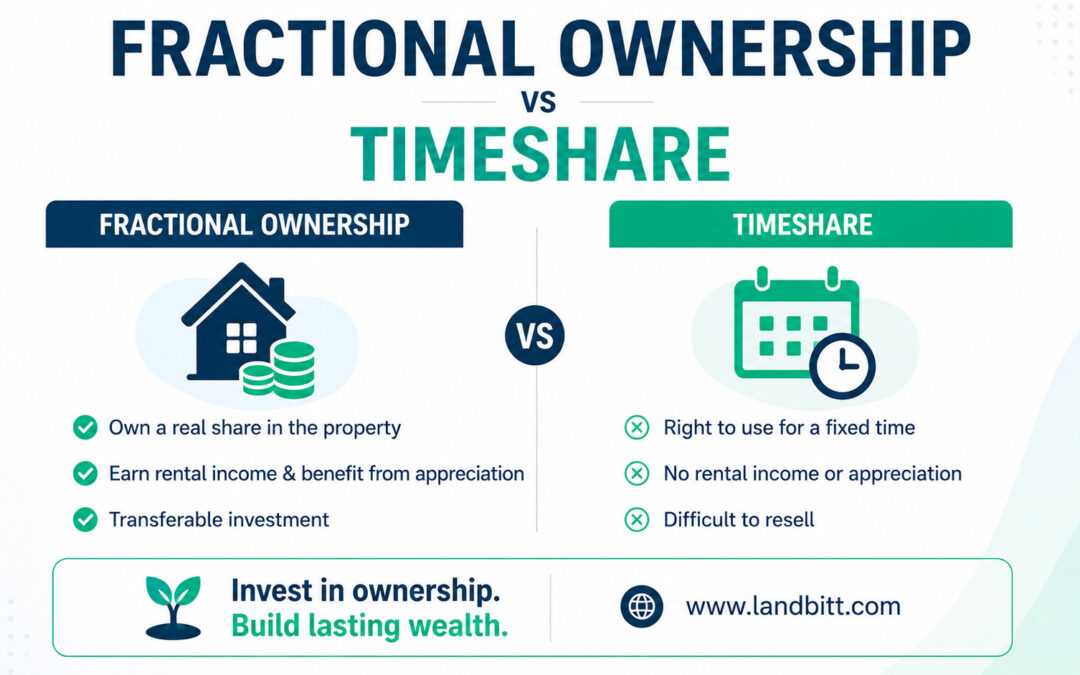
AI can assess asset-level performance trends, evaluate rental yield potential, and automate certain risk flags — all within the existing legal structure (typically an SPV or Trust) that governs the actual investment.
Does using AI tools affect KYC or compliance requirements?
No. AI for real estate listings operates alongside standard compliance processes, including KYC and AML verification — it does not change or replace these requirements.
What are the main limitations of AI in real estate?
AI’s output quality depends on the underlying data, and it relies on historical patterns that may not hold during regulatory changes or unprecedented market conditions. Human oversight remains essential.
Conclusion
AI is making property platforms smarter, faster, and more data-driven. From lead qualification to pricing insights, artificial intelligence enhances how investors analyze opportunities.
Yet, technology alone does not define investment quality. Asset fundamentals, compliance discipline, and transparent governance remain central.
When combined with structured ownership models, AI supports a more informed and efficient real estate ecosystem. For a closer look at how AI and blockchain specifically work together in this context, see AI and Blockchain in Real Estate.