

Minimum Investment in Fractional Real Estate in India
The minimum investment in fractional real estate in India has become a key topic among modern investors who want access to property markets without purchasing an entire asset. Traditionally, real estate investments required large capital commitments, making property ownership difficult for many individuals.
However, fractional ownership models and structured property investment platforms are changing the landscape. Today, investors can participate in high-value real estate assets by investing smaller amounts while sharing ownership with other investors.
What Is Fractional Real Estate Investment?
Fractional real estate investment allows multiple investors to collectively own a property asset. Instead of buying an entire property, investors purchase fractional shares representing a portion of the asset.
As a result, investors gain exposure to premium real estate opportunities that would otherwise require large financial commitments.
Learn more about this concept in our guide to
real estate tokenization vs fractional ownership in India
.
Minimum Investment in Fractional Real Estate in India
The minimum investment in fractional real estate in India varies depending on the platform, asset type, and investment structure. Typically, fractional investment platforms require investments ranging from ₹10,000 to several lakhs depending on the property value.
For example:
- Entry-level platforms may allow investments starting from ₹10,000
- Premium commercial property investments may require ₹5–25 lakh
- Institutional-grade assets may require higher minimum investments
Nevertheless, structured property participation platforms are continuously evolving to make real estate investment more accessible to a broader group of investors.
Why Fractional Real Estate Is Growing in India
Fractional ownership has gained popularity because it solves several traditional barriers to property investment.
- Lower capital requirement
- Access to premium commercial assets
- Diversified real estate portfolios
- Shared ownership risk
- Transparent investment structures
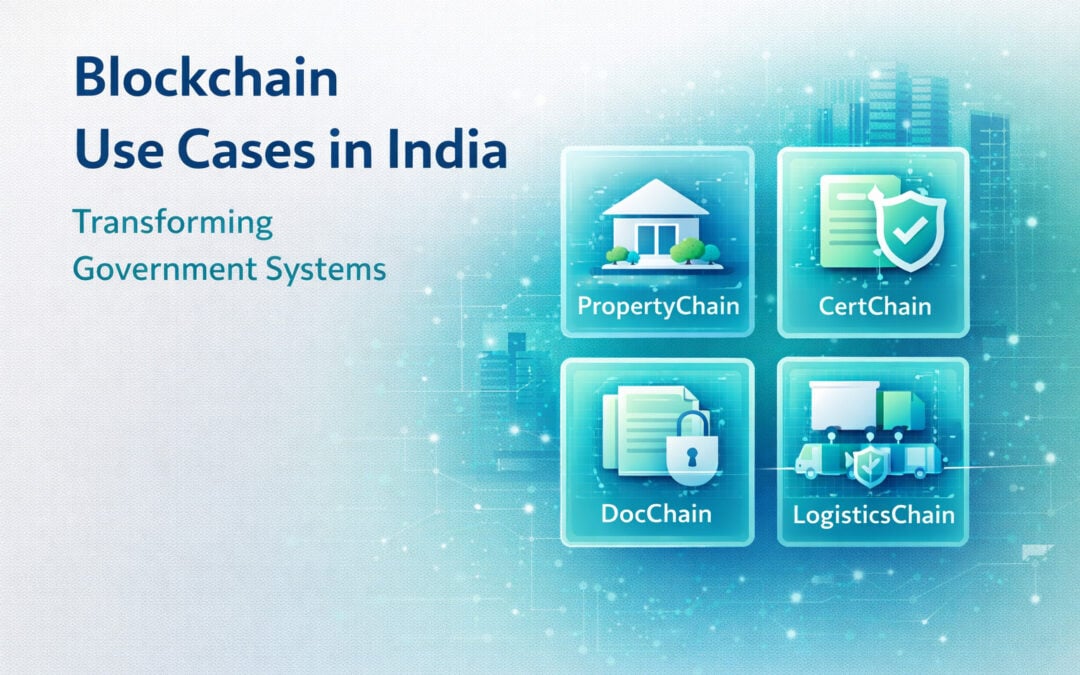
Furthermore, digital technologies such as blockchain and tokenization are improving transparency in property investment systems.
You can explore how blockchain supports property transparency in our article about
blockchain land fraud prevention in India
.
Role of Technology in Fractional Property Investment
Modern PropTech platforms use digital infrastructure to manage investor participation, ownership verification, and governance processes.
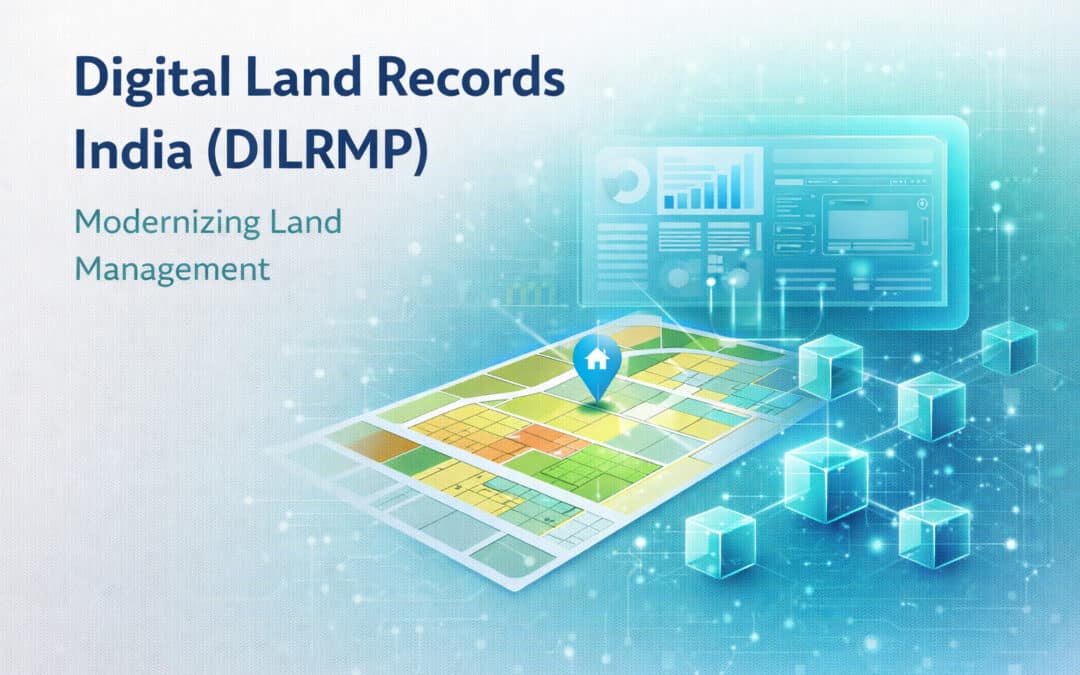
Additionally, digital land records and blockchain systems are improving property verification and transparency across the real estate sector.
For example, initiatives related to
digital land records in India
are helping modernize land governance frameworks.
Structured Property Participation Platforms
Structured property participation platforms allow investors to participate in property investments through organized governance frameworks. These systems aim to improve transparency, investment accessibility, and investor participation.
Unlike traditional real estate transactions, structured participation platforms may also enable governance rights for investors.
Learn more in our guide about
real estate voting rights for investors
.
Risks of Fractional Real Estate Investments
Although fractional ownership provides access to property investments, investors should also consider potential risks.
- Liquidity limitations
- Platform dependency
- Regulatory changes
- Market fluctuations
- Property management risks
Therefore, investors should carefully evaluate investment structures before participating in fractional property investments.
Future of Fractional Real Estate in India
The future of fractional real estate investment in India looks promising. As technology improves and regulatory frameworks evolve, structured real estate investment models may become more widely adopted.
Moreover, blockchain technology and digital governance systems could further increase transparency and security in property ownership systems.
Consequently, fractional real estate may become one of the most accessible ways for investors to participate in property markets.
Conclusion
The minimum investment in fractional real estate in India continues to decrease as technology and structured investment platforms evolve. By enabling smaller capital participation, fractional ownership models are making property investment accessible to a wider range of investors.
Although investors should always evaluate risks carefully, fractional real estate represents a growing segment of India’s modern investment ecosystem.
Frequently Asked Questions
What is the minimum investment in fractional real estate in India?
The minimum investment in fractional real estate in India varies by platform and property type. Some platforms allow investments starting from ₹10,000, while premium assets may require higher investments.
Is fractional real estate legal in India?
Fractional real estate investment structures exist through different legal frameworks. However, investors should always review platform terms, governance structures, and regulatory considerations before investing.
How do investors earn returns in fractional real estate?
Investors may earn returns through rental income distribution, property appreciation, or asset resale opportunities depending on the investment structure.
Can investors sell fractional property shares?
Liquidity depends on the platform and market demand. Some structured investment platforms may allow resale opportunities through secondary markets.