
Real Estate Tokenization vs Fractional Ownership in India
Real estate investment in India is evolving rapidly. Traditionally, owning property required large capital and long-term commitments. However, new investment models are now transforming the way people participate in property ownership. Two of the most discussed innovations today are real estate tokenization and fractional ownership.
Although both models aim to make property investment more accessible, they operate in very different ways. Therefore, understanding the difference between tokenized real estate and fractional ownership is essential for modern investors.
In this guide, we explain how both models work, their benefits, their risks, and how structured platforms like Landbitt are shaping the future of property participation in India.
Understanding the Shift in Real Estate Investment
For decades, property ownership in India has been dominated by large investors, developers, and institutional funds. Because of high entry costs, small investors rarely had the opportunity to participate in premium real estate markets.
However, digital technologies, blockchain infrastructure, and new regulatory frameworks are gradually transforming this landscape. As a result, innovative models such as fractional ownership and tokenized real estate are emerging.
These models reduce the investment barrier while improving transparency and accessibility.
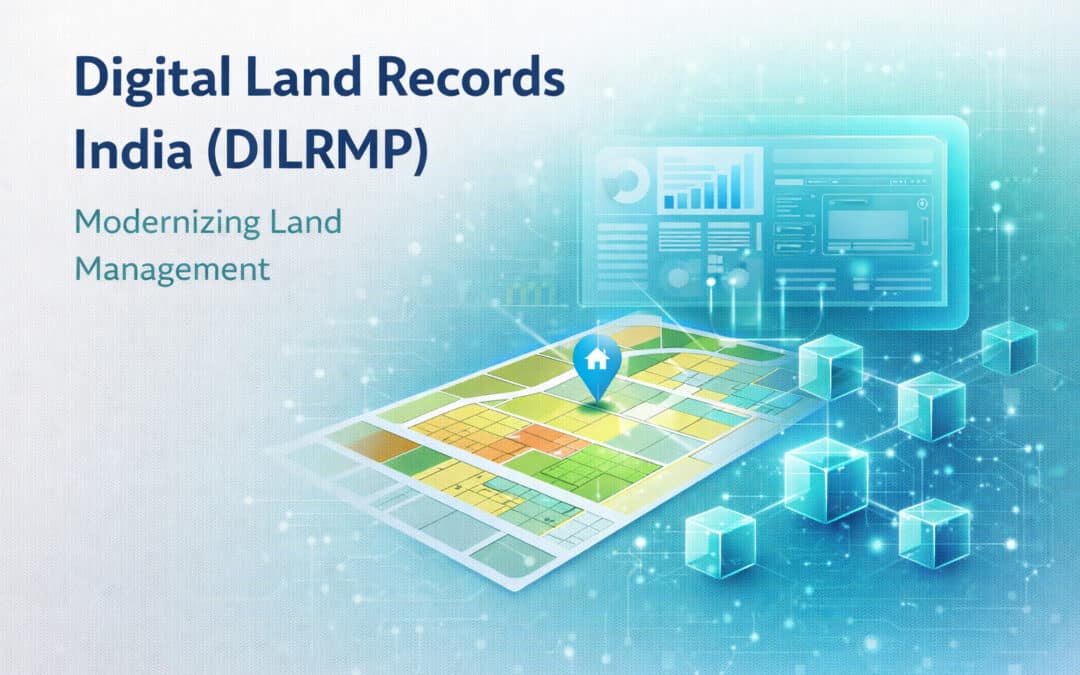
If you want to understand how digital property systems are evolving, you can also explore our guide on
digital land records in India.
What is Fractional Ownership in Real Estate?
Fractional ownership allows multiple investors to jointly own a property. Instead of purchasing an entire property, investors buy a fraction of it through a structured agreement.
For example, a commercial property worth ₹10 crore may be divided among 20 investors. Each investor then owns a proportional share of the asset and receives rental income accordingly.
How Fractional Ownership Works
- A property is acquired through a structured legal entity.
- Investors purchase shares in that entity.
- Rental income is distributed proportionally.
- The property is eventually sold and profits are shared.
Because of this structure, fractional ownership has become a popular model for premium commercial real estate.
To learn more about this model, read our detailed guide on
fractional ownership in India.
Benefits of Fractional Ownership
Lower Investment Entry
Fractional ownership significantly lowers the capital required to enter real estate markets. Instead of investing crores, investors may participate with smaller contributions.
Access to Premium Assets
Many fractional investment platforms offer access to Grade A commercial properties such as office parks, warehouses, and retail assets.
Professional Asset Management
Most fractional investment platforms manage the property operations, tenant relationships, and maintenance. Consequently, investors receive passive income without operational responsibilities.
Limitations of Fractional Ownership
Despite its benefits, fractional ownership still has certain limitations.
- Liquidity can be limited.
- Exit options may depend on secondary buyers.
- Transparency depends heavily on platform governance.
- Ownership structures may vary between providers.
Because of these factors, investors should always evaluate the governance structure behind any fractional investment platform.
What is Real Estate Tokenization?
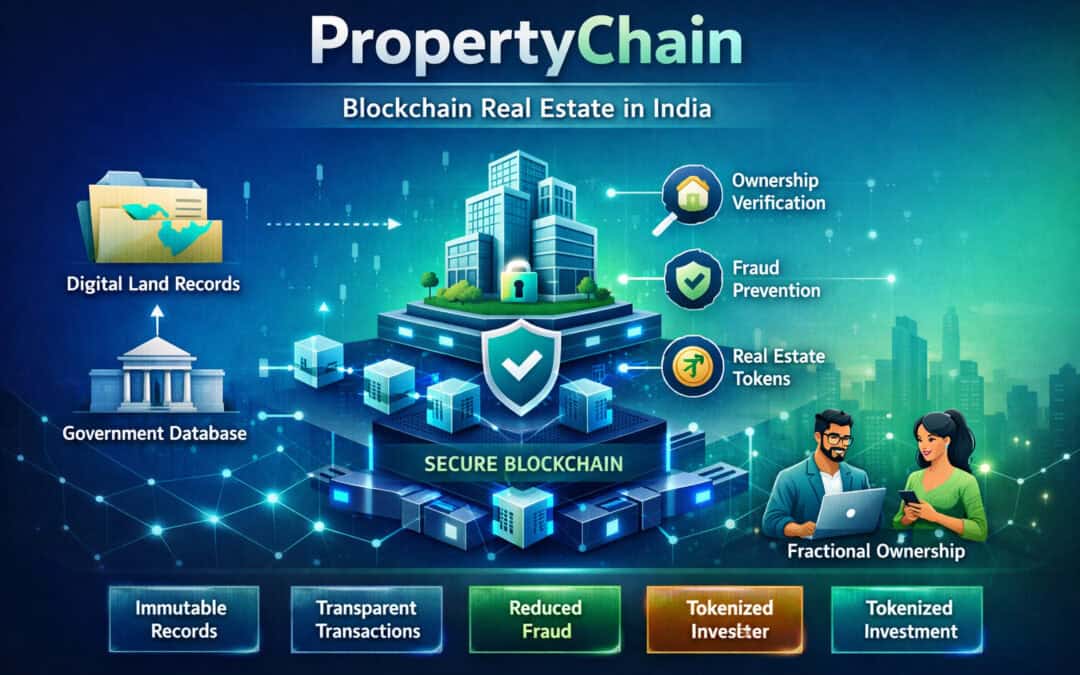
Real estate tokenization is a blockchain-based method of representing property ownership digitally. Instead of traditional ownership shares, blockchain tokens represent fractional rights to a real estate asset.
Each token represents a portion of the property value. Therefore, investors can buy or sell tokens digitally.
In theory, tokenization could enable faster transactions, transparent ownership records, and global investment participation.
If you want to understand this concept in detail, explore our guide on
real estate tokenization in India.
How Real Estate Tokenization Works
- A property asset is legally structured.
- Blockchain tokens represent ownership shares.
- Investors purchase tokens through a digital platform.
- Ownership records are maintained on a blockchain ledger.
Because blockchain systems create immutable records, they can improve transparency and security in property transactions.
Benefits of Real Estate Tokenization
Improved Transparency
Blockchain technology records every transaction permanently. As a result, ownership history becomes easier to verify.
Potential Liquidity
Tokenized assets may eventually trade on digital marketplaces. Therefore, investors could potentially sell ownership tokens faster than traditional property shares.
Global Investment Access
Tokenized real estate may allow international investors to participate in property markets more easily.
Challenges of Tokenized Real Estate
Although tokenization is promising, the model is still evolving.
- Regulatory frameworks are still developing.
- Legal structures vary between jurisdictions.
- Investor protection standards are still emerging.
Therefore, tokenized real estate platforms must ensure strong governance and regulatory compliance.
Key Differences Between Tokenization and Fractional Ownership
| Feature | Fractional Ownership | Real Estate Tokenization |
|---|---|---|
| Technology | Traditional legal structures | Blockchain-based |
| Ownership Model | Shares in property entity | Digital blockchain tokens |
| Liquidity | Moderate | Potentially higher in the future |
| Regulation | More established | Still evolving |
| Investor Access | Mostly domestic | Potentially global |
The Role of Structured Real Estate Platforms
As new investment models emerge, governance becomes increasingly important. Investors must ensure that platforms follow transparent legal structures and responsible asset management practices.
Structured platforms help ensure disciplined participation, transparent asset management, and investor protection.
You can learn more about governance-driven property models in our article on
structured real estate investment platforms.
The Future of Digital Real Estate Investment
Over the next decade, real estate investment models are expected to become more digital, transparent, and accessible.
Technologies such as blockchain, digital land records, and tokenized assets may eventually transform property ownership globally.
At the same time, disciplined governance structures will remain essential to protect investor interests.
Conclusion
Both real estate tokenization and fractional ownership aim to democratize property investment. However, they operate through different technological and legal frameworks.
Fractional ownership currently offers a more established investment model, while tokenization represents a forward-looking innovation that could reshape real estate markets in the future.
Therefore, investors should carefully evaluate governance, transparency, and long-term sustainability when participating in modern property investment platforms.
Frequently Asked Questions
What is the difference between tokenization and fractional ownership?
Fractional ownership divides property among investors through legal structures, while tokenization represents property ownership digitally using blockchain tokens.
Is real estate tokenization legal in India?
The regulatory framework for tokenized real estate is still evolving in India. Therefore, platforms must ensure compliance with financial and property laws.
Is fractional ownership safe?
Fractional ownership can be safe when structured properly with transparent governance, legal protections, and professional asset management.
Can small investors participate in real estate through these models?
Yes. Both models aim to lower the investment barrier, allowing investors to participate in property markets with smaller capital.
What is the future of digital property investment?
Digital land records, blockchain systems, and structured investment platforms are expected to play an important role in the future of real estate ownership.