
TL;DR: Blockchain in real estate gives platforms like Landbitt a permanent, tamper-proof digital record of property data and transactions, recorded on a public network (Polygon). The underlying legal structure is a Trust formed under the Indian Trusts Act, 1882 — investors hold a beneficial interest in that Trust, represented by a digital token, not shares in a company. Tokenization simply means dividing that beneficial interest into smaller, tradeable units, similar to slicing a pizza rather than requiring one buyer for the whole thing.

Blockchain in Real Estate: A Technical Guide
Quick Facts: Blockchain in Real Estate
- What it does: Creates a permanent, distributed digital record of property data and transactions that no single party can alter retroactively
- Network: Public, permissionless network (Polygon) — anyone can independently verify a transaction on a public block explorer
- Legal basis: A Trust formed under the Indian Trusts Act, 1882 holds legal title to the property
- What a token represents: A beneficial interest in that Trust — a proportional economic right, not a share in a company
- What tokenization means: Dividing that beneficial interest into smaller, tradeable digital units, similar to slicing a pizza rather than requiring one buyer for the whole thing
Understanding Blockchain in Real Estate: A Technical Overview
Key Takeaways
- Digital Ledgers: Blockchain technology generates a permanent, unalterable record of property data and transactions in the real estate sector.
- Tokenization: This process divides a beneficial interest in an asset into smaller digital units.
- Legal Structure: Technology operates alongside a legal Trust structure to ensure full regulatory compliance for blockchain in real estate.
- Transparency: Public networks like Polygon enable anyone to verify transaction history independently and securely.
Why Digital Records Matter for Property
Investors frequently ask how digital systems can replace or support traditional paper deeds. This is a vital question because traditional real estate relies heavily on physical paperwork. Unfortunately, physical records can be slow to process, difficult to verify, and prone to damage.
However, the integration of blockchain in real estate addresses these specific inefficiencies. Effectively, it moves record-keeping from isolated filing cabinets to a secure, distributed digital network. Consequently, this article explains how the technology functions, the role of tokenization, and the legal structure that supports it.
What is Blockchain in Real Estate?
At its core, a blockchain functions as a digital ledger. Unlike a spreadsheet that a single person stores on one computer, this ledger exists on many computers simultaneously. Furthermore, once users enter data, the network prevents anyone from deleting or altering it retroactively.
In the property sector, platforms use this technology for documenting ownership rights, transaction history, and asset details. Thus, it provides a “single source of truth” that all parties can view instantly, making blockchain crucial in real estate.
How the Process Works
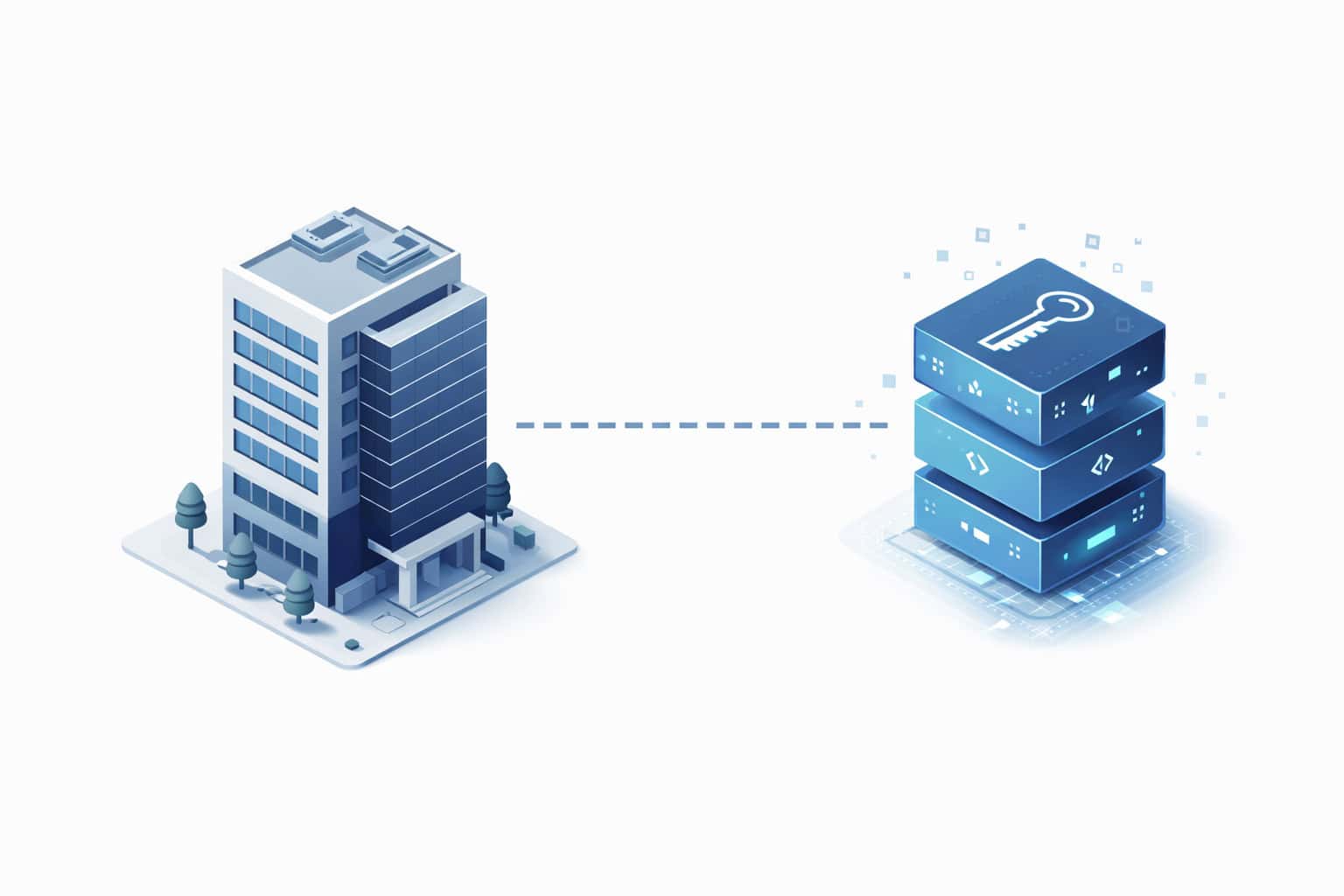
The application of this technology follows a specific, logical sequence. Specifically, it connects the physical world with the digital world through four distinct steps.
- Asset Identification: First, the platform identifies and vets a physical property.
- Legal Structuring: Next, a legal team establishes a Trust to hold the property title.
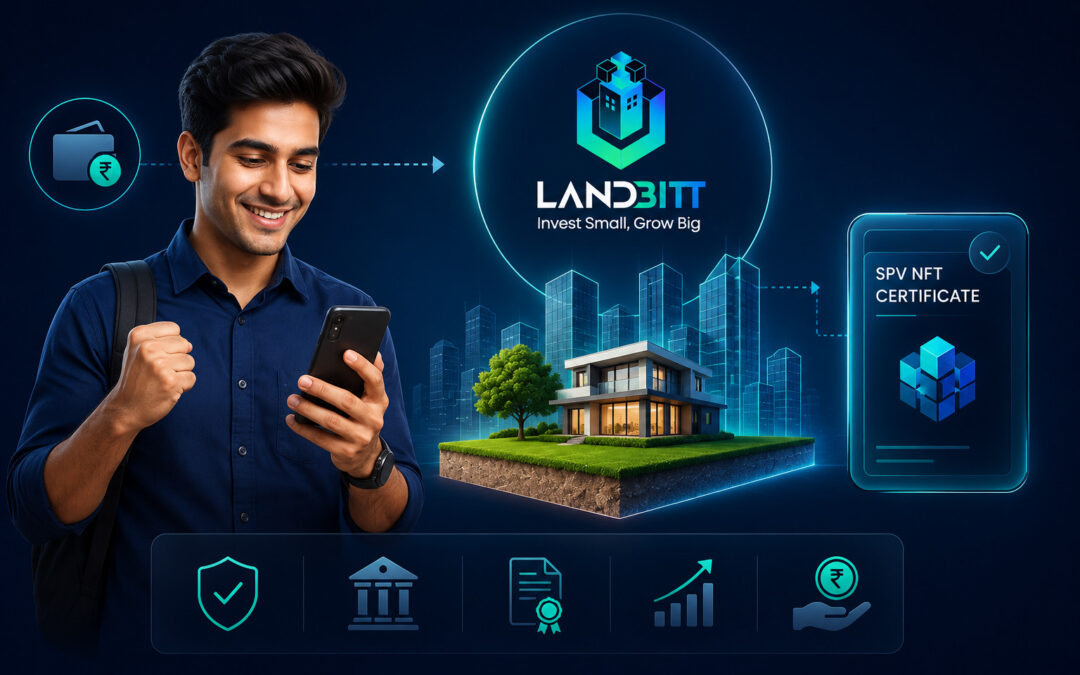
- Digital Representation: Subsequently, the system represents the Trust’s beneficial interest as digital tokens.
- Distribution: Finally, the platform assigns these tokens to investors based on their financial contribution.
Tokenization Explained: Blockchain in Real Estate Units
Tokenization remains a key concept when discussing blockchain in real estate. Simply put, it refers to the process of representing fractional rights to an asset as digital tokens. For the deeper mechanics of how this applies specifically to property, see our guide on real estate tokenization in India.
The Pizza Analogy
To understand tokenization clearly, think of a large pizza. A single person might not want to buy the entire pizza. Alternatively, they might lack the funds to do so. However, the restaurant can slice the pizza into eight or ten pieces.
In this analogy, the property represents the pizza, while the tokens represent the slices. Therefore, buying one token does not mean you own a specific square foot of dirt. Instead, it means you hold a specific percentage of the economic rights to that asset.
Moreover, these digital tokens are programmable. For instance, they can automatically distribute rental yields or update ownership records immediately when a sale occurs, contributing to blockchain real estate efficiency.
The Role of Blockchain Networks
The reliability of this system depends entirely on the underlying network. For example, Landbitt utilizes established networks like the Polygon blockchain, a public network designed for fast, low-cost transactions.
Using a public blockchain ensures superior transparency. Private databases often carry risks because administrators can manipulate them. On the other hand, a public blockchain records every transaction permanently. Consequently, an investor can verify their holding on a public block explorer without logging into a proprietary platform, ensuring blockchain reliability in real estate.
Legal and Structural Setup for Blockchain in Real Estate
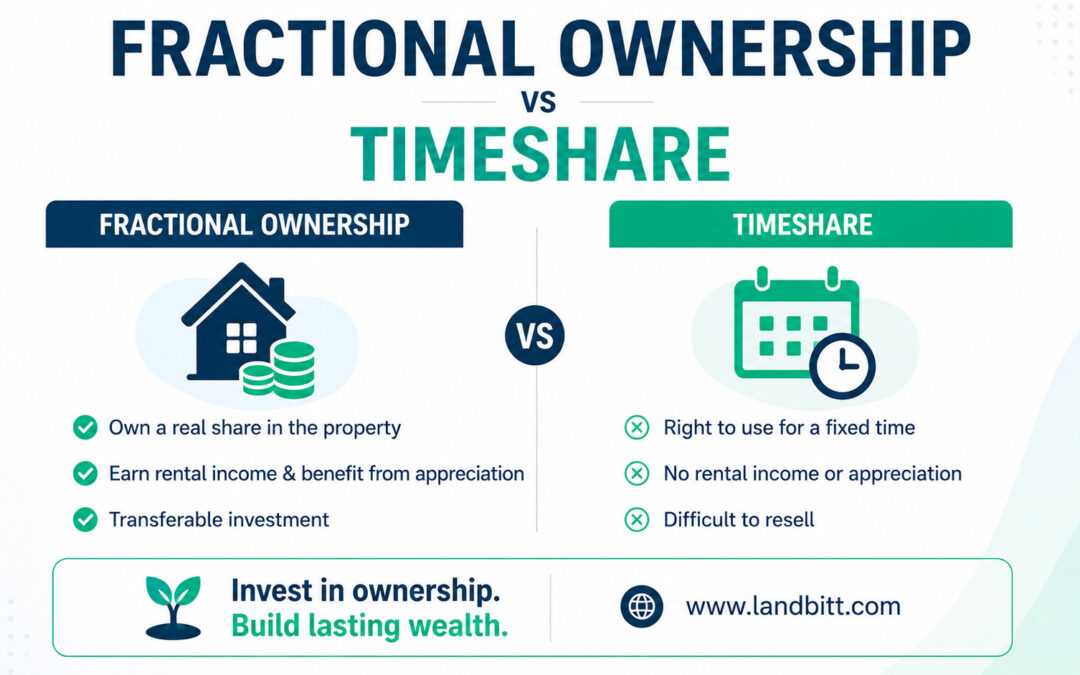
Crucially, technology cannot bypass the law. For a digital token to hold actual value, it must tie directly to a legal structure. This is where the Trust-based Special Purpose Vehicle (SPV) becomes important. The same Trust structure also underpins fractional ownership in India more broadly, not just blockchain-recorded tokens specifically.
Understanding the Trust-Based SPV
[THIS IS THE CORRECTED SECTION — replaces the violating “Understanding the SPV” section]
A Special Purpose Vehicle (SPV) in this model is structured as a Trust, registered under the Indian Trusts Act, 1882. The Trustee holds legal title to the physical property and manages it under defined fiduciary obligations.
When you hold a token, you hold a beneficial interest in the Trust, a proportional economic right linked to a specific property. This is different from holding a share in a company: there is no shareholding registry, and the digital record reflects beneficial interest in the Trust rather than corporate equity.
This dual-layer approach ensures that compliant legal documentation always backs digital ownership: the Trust deed establishes the legal rights, and the blockchain record provides a transparent, verifiable layer on top of it.
Where This Sits in India’s Evolving Regulatory Landscape
It’s worth tracking how the law around tokenized assets is evolving separately from this Trust/SPV structure. The proposed Asset Tokenisation Bill, 2026 is a Private Member’s Bill that, if eventually enacted, would create dedicated legal recognition for tokenized real-world assets — distinct from how blockchain-recorded Trust structures currently operate under existing law. For the political context behind that bill, see MP Raghav Chadha’s push for the tokenization bill.
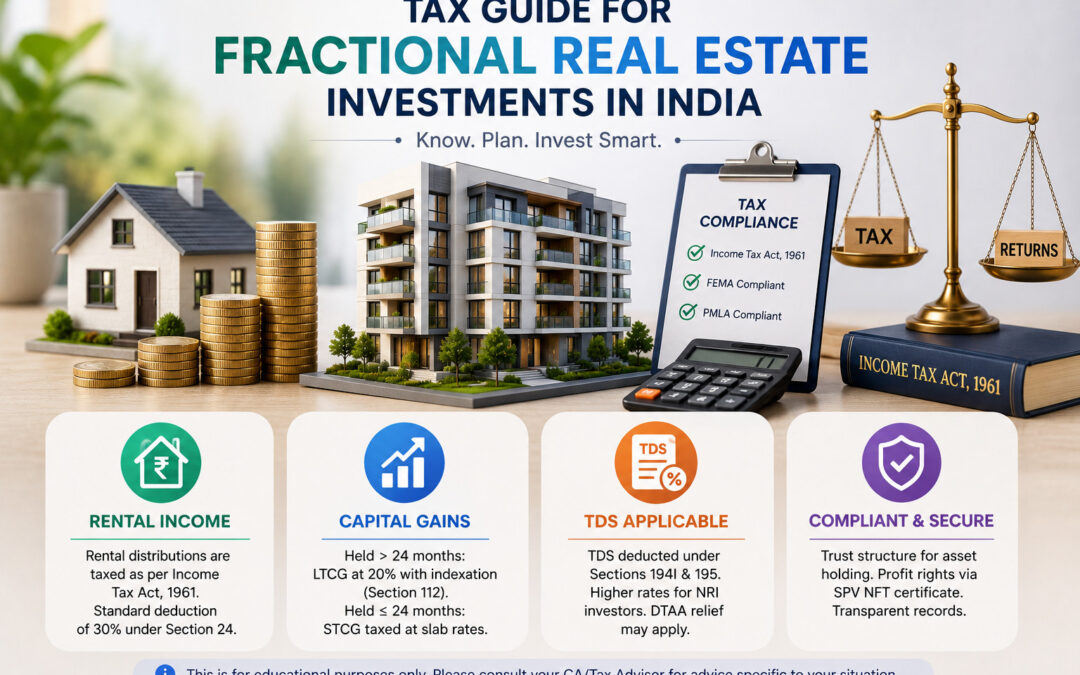
Separately, compliance obligations around digital assets continue to develop on their own track. See our guide on India digital asset reporting for what’s currently required, and Budget 2026 crypto tax for how tax treatment applies to tokenized holdings specifically. None of this changes the underlying Trust structure described above — it’s a separate, evolving compliance layer worth understanding alongside it.
Geographic Context for Blockchain in Real Estate Adoption
We can observe the adoption of these technologies in high-growth economic zones. Investors increasingly look at markets that combine infrastructure growth with digital adoption.
Specifically, key regions of interest include:
- India: Fast-growing hubs like Ahmedabad, Gurgaon, and Dholera SIR.
- International: Established markets like Dubai, Shanghai, and Singapore.
In these cities, the demand for transparent property transactions remains high. Therefore, digital ledgers help streamline cross-border interest and local investment alike through blockchain technology in real estate.
How Landbitt Presents Information
Landbitt uses technology to structure this data for users. The platform provides a dashboard where investors can view asset performance, legal documents, and blockchain records in one place.
The goal is to remove ambiguity. By combining the legal safety of a Trust-based SPV with the transparency of blockchain in real estate, the system provides a verifiable audit trail. As a result, this allows investors to make informed decisions based on data rather than speculation.
A Note on Trust and Transparency
Blockchain does not replace legal structure — it makes that legal structure easier to verify. Because the Trust deed defines investor rights and the blockchain record provides an independent, tamper-proof log of transactions, investors get both legal enforceability and technical transparency working together, rather than having to choose one or the other.
Frequently Asked Questions
What is blockchain in real estate?
Blockchain in real estate is the use of a distributed digital ledger to record property-related data and transactions permanently and transparently, so that no single party can alter the record retroactively.
Do I own a share of a company, or a beneficial interest in a Trust?
A beneficial interest in a Trust. The SPV in this model is structured as a Trust under the Indian Trusts Act, 1882, not a private limited company. There is no shareholding registry, your digital token represents a proportional economic right in the Trust, linked to a specific property.
Why does Landbitt use the Polygon network specifically?
Polygon is a public, permissionless blockchain network, which means any investor can independently verify a transaction on a public block explorer without needing special access to a proprietary system.
Can blockchain records be altered after the fact?
No. Once a transaction is recorded on the network, the distributed structure of the ledger prevents retroactive deletion or alteration by any single party.
Does tokenization mean I own a specific piece of the physical land?
No. A token represents a proportional share of the economic rights tied to a Trust’s beneficial interest in the property, similar to owning a slice of a pizza rather than a specific, marked-off section of it. Legal title remains with the Trustee.