

TL;DR: Women investors in real estate India are a genuinely growing group. Women now influence close to 27% of household investment decisions nationally. The real barriers aren’t vague “market complexity.” They’re specific: dependence on brokers, physical site-visit requirements, and documentation processes that have traditionally assumed an in-person, often male-dominated negotiation style. Digital-first platforms and structured fractional models address some of these barriers directly. None of that removes the underlying investment risk every real estate decision carries, though.

Women Investors in Real Estate India: What’s Actually Changing
Women investors in real estate India are a genuinely growing presence. The reasons behind that shift are worth understanding specifically, rather than describing in vague terms like “more awareness” or “growing confidence.” Real, structural barriers have historically made real estate harder to navigate for many women. Real, structural changes are now addressing some of them directly.
What does the data actually show about women’s role in investment decisions?
Women now influence close to 27% of household investment decisions in India, a real and meaningful share. Traditional real estate has remained comparatively harder to navigate than other asset classes for many women specifically, though. That gap between influence and actual participation is worth naming directly. It points to real friction in the process itself, not a lack of interest or capability.
What are the actual barriers, beyond generic “market complexity”?
Vague references to “limited awareness” or “risk perception” don’t capture what’s actually going on. The more specific, recurring barriers include:
Broker dependence. Traditional real estate transactions in India have historically run through informal broker networks. That can create friction for anyone without an existing relationship in that network.
Physical site-visit expectations. In-person property visits and negotiations have traditionally been the default mode of transacting. That adds real logistical and sometimes safety considerations that don’t apply equally to every investor.
Documentation complexity. Legal paperwork, title verification, and registration processes can be genuinely difficult to navigate. Without professional guidance or an existing support network, that difficulty multiplies.
How is digital-first investing actually addressing these specific barriers?
Digital platforms remove some of these frictions directly, rather than just generally “improving accessibility.” Investors can review verified land parcels, complete KYC processes, access legal documentation, and monitor investments. None of that requires depending on an in-person broker relationship or repeated physical site visits. That’s a meaningful, specific shift from how real estate transactions traditionally worked, not just a generic technology upgrade.
What role does fractional ownership play here specifically?
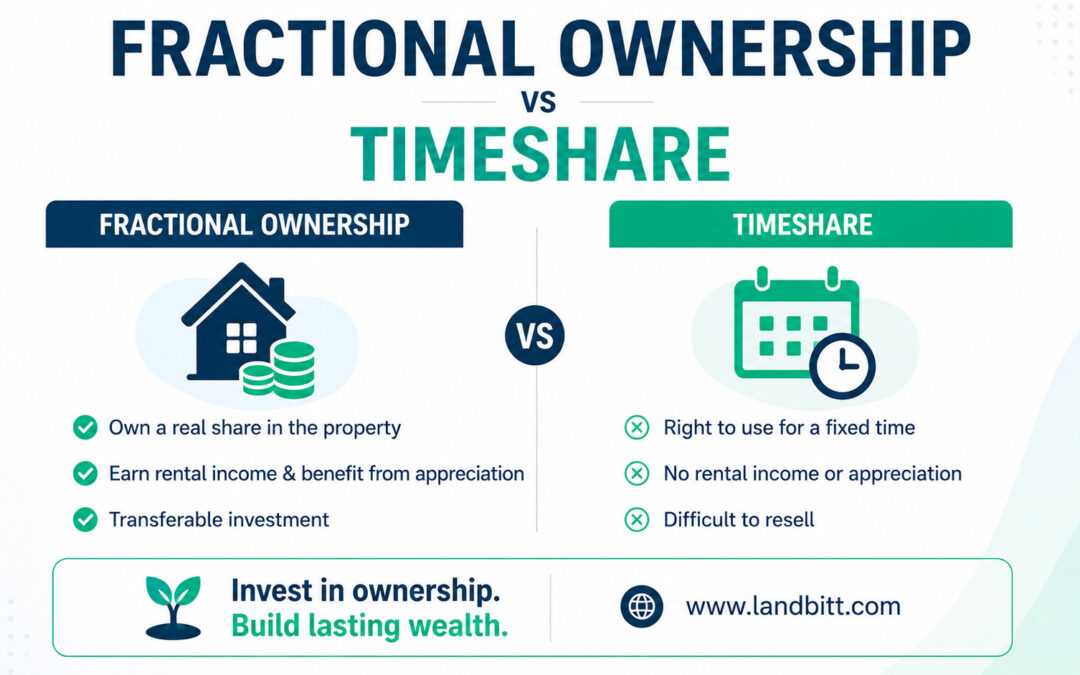
Fractional and structured participation models lower the capital commitment needed to start investing. That matters for any new investor, but it also reduces the stakes of a first transaction specifically for someone navigating an unfamiliar process for the first time. Structured platforms handle legal documentation and due diligence too. That shifts some of the documentation-complexity burden described above onto the platform’s verification process, rather than the individual investor alone. For the mechanics of how that structure works, see our guide on fractional ownership in India.
What should any investor, regardless of these structural shifts, still verify?
Easier access doesn’t mean reduced risk, and it’s worth being direct about that. Investors should still verify the platform’s actual legal structure, ideally a documented Trust or SPV. Review the specific asset’s documentation rather than relying on summary marketing materials. And remember that returns depend on market conditions and execution, not on which platform facilitates the transaction.
This shift toward digital-first, lower-barrier investing isn’t unique to women investors — see our look at Gen Z real estate investment trends in India for a related generational shift driven by similar underlying changes in access and information.
Frequently Asked Questions
Why are more women investing in real estate in India?
Real estate offers long-term wealth-building potential, and structural barriers that historically made it harder to access — broker dependence, physical site-visit requirements, documentation complexity — are being addressed more directly by digital-first and structured investment models.
What share of household investment decisions do women influence in India?
Close to 27%, according to recent data, though actual real estate participation has historically lagged that level of influence.
Are structured platforms actually safer for first-time investors?
They can reduce certain frictions, like documentation complexity and broker dependence, but they don’t eliminate underlying market or investment risk, which depends on the specific asset.
Can beginners realistically start with fractional ownership?
Yes. Fractional models lower the capital commitment required to start, which can make a first real estate investment considerably less intimidating.
Does digital investing remove the need for due diligence?
No. Digital tools improve access to documentation and verification, but reviewing that documentation carefully still matters regardless of how the investment is structured.