
TL;DR: Gen Z real estate investment trends in India point to investors entering the market earlier, in their 20s rather than their 40s. They approach it through digital research, data analysis, and lower-entry-barrier structured platforms, rather than traditional broker relationships. Social media plays a real role in how this generation learns about investing. That cuts both ways: more accessible information, but also more exposure to unverified claims that need independent checking before acting on them.

Gen Z Real Estate Investment Trends in India
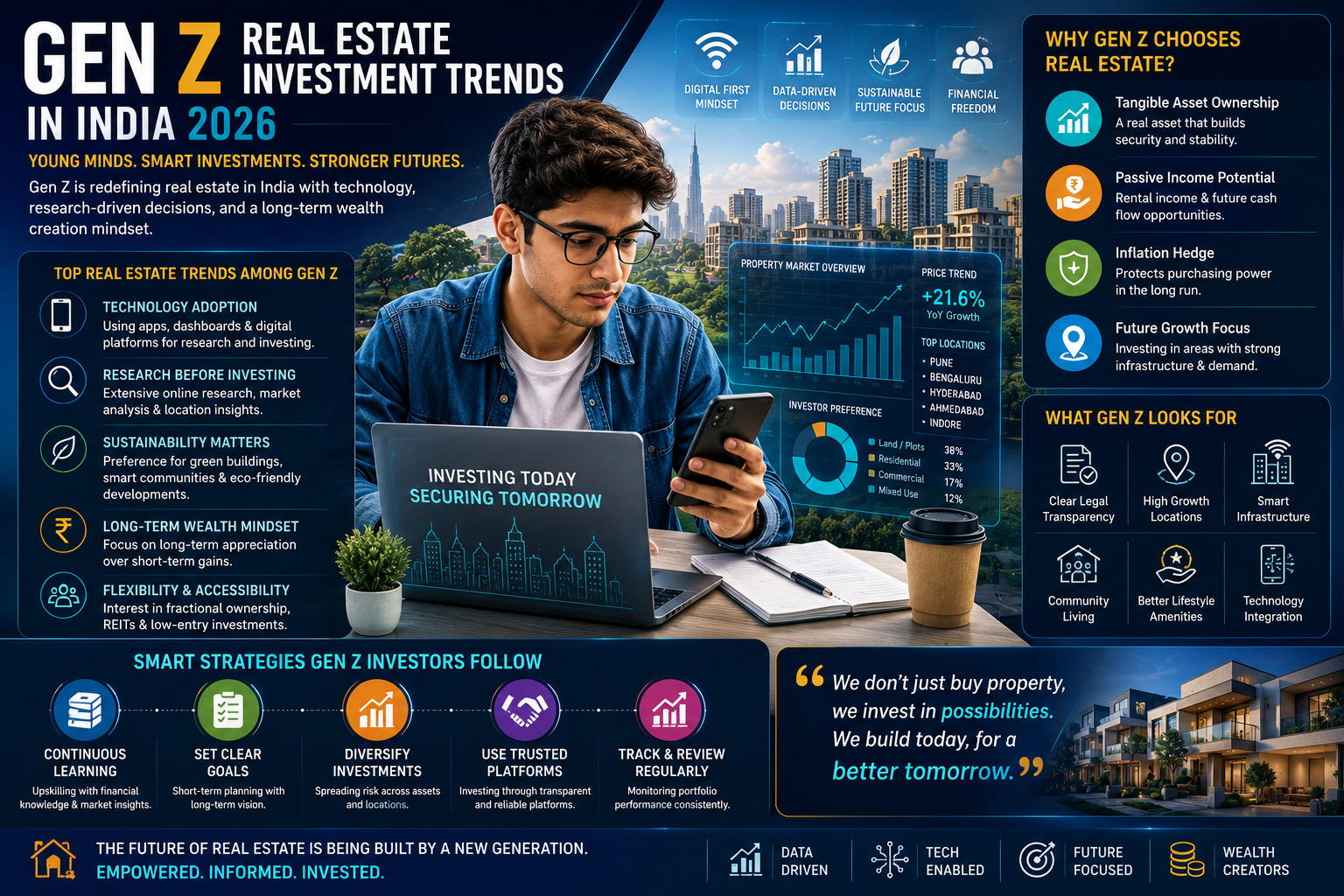
Gen Z real estate investment trends in India point to a genuinely different starting point than previous generations had. Born roughly between the late 1990s and early 2010s, this generation has grown up with constant access to digital tools, data, and online research. That shapes how they approach property investing from the very first step.
Why is Gen Z entering real estate earlier than previous generations?
Access to online financial education, investment content, and planning tools has made many young investors financially aware earlier in life. Instead of waiting until their 40s or 50s, a meaningful number of Gen Z investors explore property investment in their 20s and early 30s. Many do this well before they’d have the capital for a traditional full-property purchase.
How does technology actually change the way Gen Z evaluates property?
Technology plays a genuinely central role here, not just a supporting one. Young investors tend to do extensive digital research before committing capital. Property market analysis, location research, price comparisons, investment calculators, and market trend reports all get checked before a decision. They rely less on a broker’s recommendation than previous generations did. That shift toward data over word-of-mouth is a real, structural difference from how previous generations typically approached the same decision.
What does Gen Z actually look for in a real estate investment?
A few consistent patterns show up.
Accessibility and flexibility. Lower entry barriers matter more to younger investors than they did to previous generations. So do investment options that fit around a changing career path or lifestyle, since today’s career trajectories look less linear than they used to.
Future growth potential. Many Gen Z investors prioritize locations with genuine future development potential over locations that already show strong current demand. They’re investing with a longer remaining time horizon, which makes that tradeoff make sense.
Sustainability and smart infrastructure. Environmental considerations factor into property decisions more than they have historically. This includes interest in green infrastructure, smart city developments, and technology-enabled communities.
How does social media actually factor into this, and what’s the real risk?
Social media has become a genuine source of financial information for younger investors. It’s worth being direct about both sides of that. On one hand, it makes information and investing concepts considerably more accessible than they used to be. On the other, social media also spreads unverified claims, oversimplified advice, and outright promotional content presented as objective analysis. The investors who do well here treat social media as a starting point for research. They don’t treat it as a substitute for verifying claims through independent, reliable sources before acting on them.
What real challenges do young investors specifically face?
Affordability. Rising property prices create a genuine barrier for first-time investors, regardless of how digitally savvy they are.
Information overload. With so much content available online, separating genuinely useful insight from marketing content dressed up as advice takes real, deliberate effort.
Market uncertainty. Economic conditions and market cycles require careful planning. No amount of research eliminates the underlying uncertainty in any specific investment’s outcome.
How can Gen Z investors actually build a sound foundation?
Discipline tends to matter more than chasing whatever trend is generating the most online attention that week. That generally means a few things: learning real investment principles rather than shortcuts, understanding risk management specifically and not just returns, focusing on long-term goals over short-term moves, doing genuine due diligence on specific opportunities, and diversifying thoughtfully rather than concentrating everything in one trending idea.
How do structured platforms actually fit into this generation’s approach?
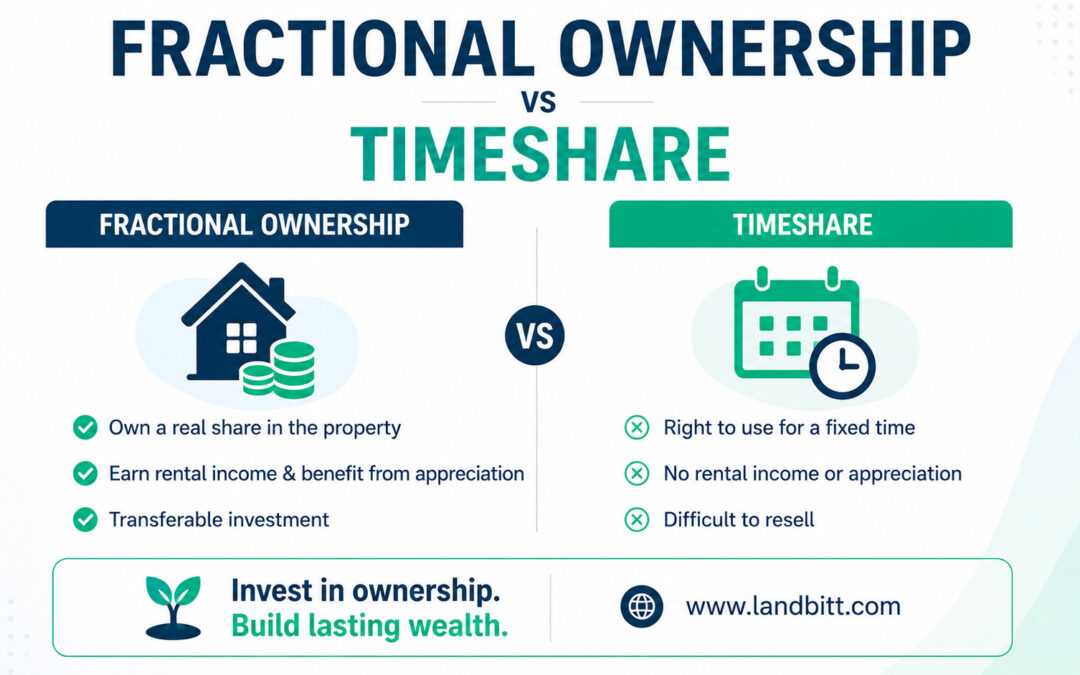
Lower entry costs through fractional participation models align naturally with how Gen Z investors already prefer to start. They favor smaller commitments, more research upfront, and digital-first access to documentation, rather than an in-person broker relationship. For the mechanics of how that structure actually works, see our guide on fractional ownership in India. Structured access doesn’t remove the underlying investment risk, though, regardless of how digitally native the platform feels.
This generational shift toward digital-first, lower-barrier investing shows up in other audience segments too — see our look at women investors in real estate India for a related shift driven by similar underlying changes in access and information.
Frequently Asked Questions
Why is Gen Z interested in real estate investing?
Many view it as a tool for long-term wealth creation and financial independence, and they’re approaching it earlier in life than previous generations typically did.
How is Gen Z different from previous generations of investors?
Gen Z relies more heavily on digital research, data analysis, and structured platforms, and less on broker relationships and word-of-mouth recommendations.
Does social media influence property investing decisions?
Yes, genuinely, but it also spreads unverified or promotional content. Investors should verify claims through independent, reliable sources before acting on social media-sourced information.
What are the biggest challenges young investors face?
Affordability given rising property prices, information overload online, and the underlying market uncertainty that no amount of research fully removes.
Can Gen Z realistically start investing with limited capital?
Yes, particularly through structured, fractional participation platforms that lower the entry cost compared to a traditional full-property purchase.