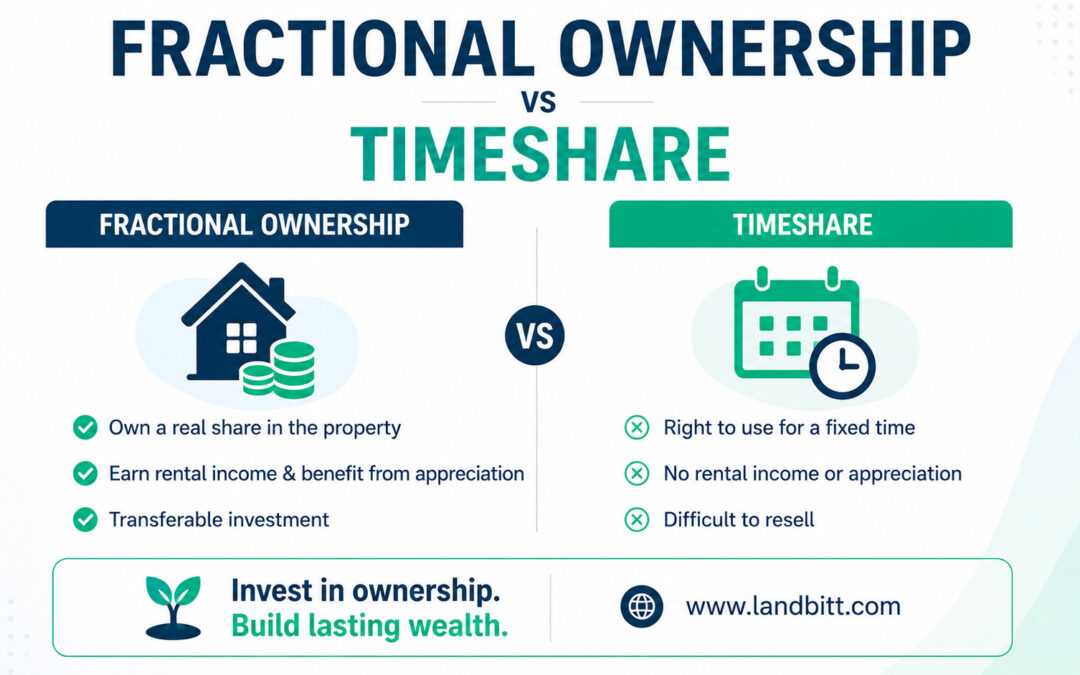


TL;DR: ₹5–10 lakhs is a meaningful but mid-sized budget for Indian real estate — too small for most direct property purchases, but well-suited to fractional ownership across multiple assets. Rather than following a fixed allocation formula, the right approach depends on your specific goals, risk tolerance, and time horizon. Structured platforms with KYC verification and SPV-based legal frameworks matter more at this budget than at smaller amounts, since you have enough capital to diversify meaningfully if the underlying structure supports it.

Invest 5 to 10 Lakhs in Real Estate India: A Practical Guide
A common assumption holds that real estate investing in India requires either a few lakhs for a small flat down payment or several crores for anything substantial. If you’re looking to invest 5 to 10 lakhs in real estate India, you’re sitting in an interesting middle zone: not enough for most direct property purchases in major cities, but genuinely enough to build a diversified, structured real estate position if you approach it correctly. This guide walks through what that actually looks like.
Is 5 to 10 lakhs actually a meaningful real estate budget in India?
Yes, but the answer depends entirely on what kind of real estate exposure you’re after. If your goal is buying a flat in Mumbai or Bengaluru outright, ₹5–10 lakhs covers a small fraction of even a modest property’s cost in most metro markets. If your goal is structured participation in real estate — through fractional ownership, tokenized assets, or systematic land investment — this budget is substantial enough to build genuine diversification rather than a single concentrated bet.
That distinction matters more than the headline number. A ₹5–10 lakh budget deployed into one illiquid asset behaves very differently from the same budget spread across multiple properties, locations, or investment structures.
What are your actual options at this budget?
Fractional ownership across multiple properties
Rather than treating ₹5–10 lakhs as a single investment, you can split it across several fractional holdings. This gives you exposure to different locations, asset types, and risk profiles simultaneously — something direct property ownership at this budget simply can’t offer. See our fractional land investment guide for the underlying mechanics of how this works.
Systematic, phased investment
Instead of deploying the full amount in one transaction, you can invest it gradually over months or years. This reduces the pressure of getting your entry timing exactly right and lets you respond to changing circumstances as you go. Our guide on SIP in land investing covers this approach in detail.
Location-specific allocation
At this budget, you can realistically participate in more than one growth corridor rather than betting everything on a single city or region. Emerging infrastructure-led zones — Dholera SIR, for instance — tend to offer different risk and timeline profiles than established city markets like Delhi or Gurgaon.
How should you allocate 5 to 10 lakhs across real estate investments?
There’s no single “correct” formula here, and we’d be doing you a disservice pretending otherwise. A fixed percentage split (a third here, a third there) might suit one investor’s risk tolerance and not another’s. What actually matters when deciding how to allocate ₹5–10 lakhs:
Your time horizon. If you need liquidity within a year or two, real estate of any kind — fractional or direct — is probably the wrong asset class for that portion of your capital. Real estate, including fractional structures, tends to reward multi-year patience.
Your existing portfolio. If you’re already heavily weighted toward equities, real estate exposure can genuinely improve diversification. If you already hold substantial property, adding more concentrated real estate exposure may not.
Your risk tolerance for illiquidity. Fractional real estate is generally less liquid than listed securities. Decide how much of this budget you’re comfortable having tied up for several years before committing it. For a comparison of how liquid different asset classes are, SEBI’s investor education resources are a useful independent starting point.
Whether you want income or pure appreciation. Some assets generate rental income; raw land investments typically don’t. This affects which specific opportunities suit your actual financial goals.
Rather than following a generic allocation formula, it’s worth thinking through these four questions specifically for your own situation — and if you’re unsure, a financial advisor can help you weigh them against your broader portfolio. We’re not in a position to tell you the “right” percentage split, because it genuinely depends on factors specific to you.
What should you actually verify before investing?
At this budget, the stakes are high enough that due diligence matters considerably more than it would for a token ₹10,000-20,000 entry investment:
- Legal structure — confirm the platform uses a properly documented SPV structure, and review the actual trust deed or offering documents, not just marketing copy.
- KYC and compliance processes — a platform that takes verification seriously is signaling that it takes the underlying legal structure seriously too.
- Asset-specific documentation — for each individual property or listing, check title clarity, zoning status, and any disclosed risks specific to that asset.
- Liquidity mechanics — understand the actual lock-in period and how secondary transfers work, rather than assuming you can exit whenever you choose.
What are the real risks at this budget?
Concentration risk — if you put the full amount into a single asset rather than diversifying, your outcome depends entirely on that one property’s performance.
Liquidity risk — fractional real estate generally takes longer to exit than listed securities, and there’s no guaranteed timeline.
Market risk — property values move with broader economic conditions, infrastructure execution timelines, and local demand — none of which are within your control.
Platform risk — your returns depend partly on the operational integrity of whichever platform structures your investment, which is exactly why the due-diligence checklist above matters.
None of these risks disappear at a larger budget — if anything, they matter more, since you have more capital exposed to them.
How do platforms like Landbitt fit into this?
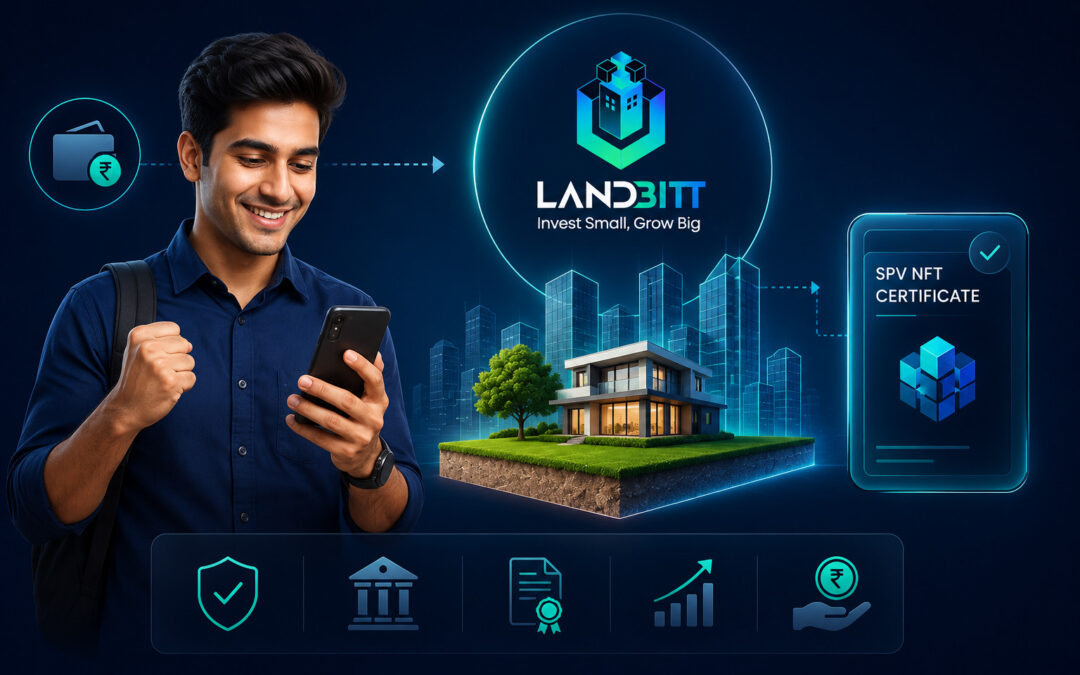
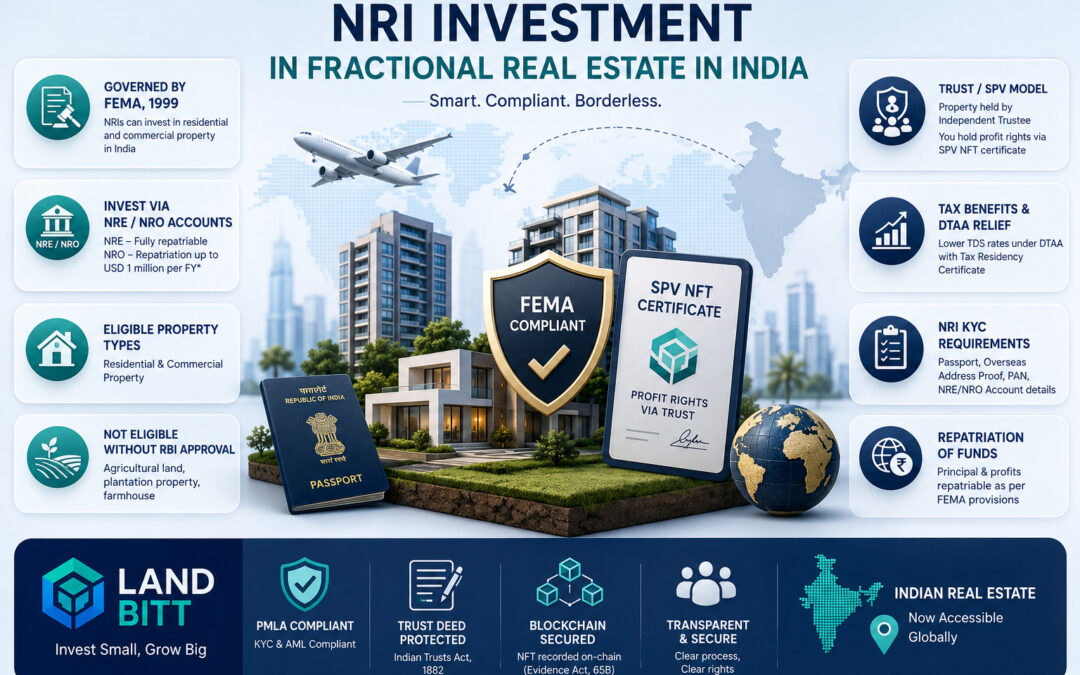
Structured platforms aim to lower two specific barriers: the capital required to participate, and the documentation burden of verifying an asset yourself. Landbitt structures investments through an SPV for each asset, with KYC-verified onboarding and blockchain-based recordkeeping for transparency. At a ₹5–10 lakh budget, this structure makes it realistic to spread your capital across several properties rather than concentrating everything in one, without needing to personally verify legal documentation for each one from scratch.
Related guides
Frequently Asked Questions
Is it worth it to invest 5 to 10 lakhs in real estate India right now? Yes — through fractional ownership or systematic investing, this budget is enough to build a genuinely diversified position, even though it wouldn’t cover a direct property purchase in most metro markets.
Should I invest the full amount at once, or spread it out? Spreading investment over time reduces the pressure of timing your entry perfectly, though it’s not the only valid approach — a lump-sum investment can also work if you’ve done your diligence and are comfortable with the timing.
What’s the safest option at this budget? Structured, transparent platforms with clear legal documentation and defined governance tend to carry less avoidable risk than informal arrangements — though no real estate investment is risk-free.
Can I earn rental income with this amount? Some fractional real estate investments do generate rental income, depending on the underlying asset. Raw land investments typically don’t, since they rely primarily on appreciation instead.
How long should I plan to hold this kind of investment? Real estate, including fractional structures, generally performs best as a multi-year holding rather than a short-term position.