
TL;DR: Real estate tokenization platforms convert physical property into legally structured fractional units, represented through digital tokens, so investors can access premium residential and commercial assets without needing the full purchase price. The model only works if the underlying legal structure (a properly documented Trust or SPV) and due diligence process are genuinely sound — the technology layer doesn’t substitute for either.

How Real Estate Tokenization Expands Access to Premium Properties
Premium real estate — well-located commercial buildings, established residential developments — has traditionally been available only to investors with serious capital. Real estate tokenization platforms are changing that math, by converting physical property into legally structured fractional units that more investors can actually participate in.
How does a tokenization platform actually expand access?
The mechanism is straightforward in concept, even though the legal and technical work behind it is substantial:
- A property gets legally structured to support fractional participation
- That structure typically takes the form of a Trust or SPV, which holds the underlying asset
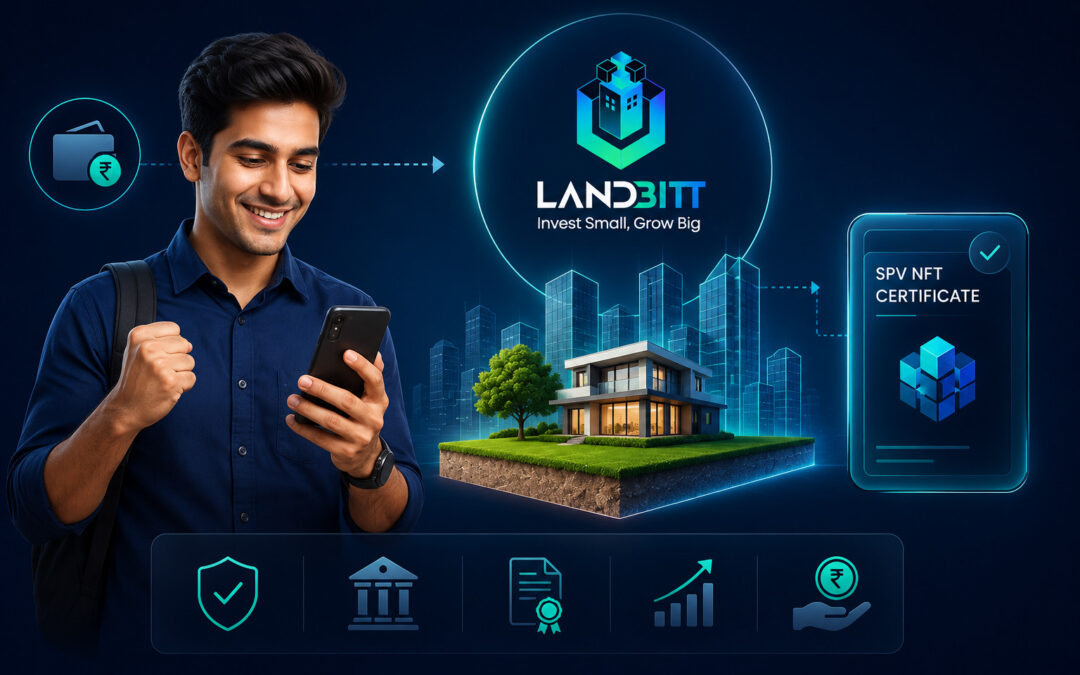
- Investors hold a beneficial interest in that structure, represented through a digital token
- Ownership records stay digitally tracked, while the underlying asset remains governed by standard property law
Through this model, investors get direct access to premium residential and commercial assets at a meaningfully lower entry point than direct purchase would require, with blockchain-backed ownership records and transparent documentation throughout.
What actually makes a listing on a platform like this trustworthy?
Lower entry cost doesn’t mean lower diligence. A serious platform should be doing real verification work before any property goes live:
- Title verification, to confirm clean, undisputed ownership
- Valuation assessment, so pricing reflects the asset’s actual worth
- Compliance review, confirming the structure meets applicable legal requirements
- Documentation that’s genuinely available for investors to review, not just summarized in marketing copy
This is exactly the kind of due diligence that separates a credible tokenization platform from one that’s mostly relying on the technology angle to sound more trustworthy than its actual legal structure supports.
Does tokenization change the underlying investment risk?
No — and it’s worth being direct about that. Tokenization improves transparency and access. It doesn’t change whether the underlying property is a good investment, and it doesn’t guarantee returns. Potential returns still depend entirely on market demand, rental performance (if applicable), and how well the specific asset performs over time. Evaluate every listing on its own fundamentals, not on how sophisticated the technology behind it sounds.
What should you actually look for before investing through a platform like this?
- A clearly documented legal structure (Trust or SPV) — not vague “ownership” language that overstates what you’re actually getting
- Real, accessible due diligence documentation for the specific property, not just generic platform-level claims
- Honest disclosure of risks, including liquidity limitations and market dependency
- Clarity on how returns (rental income, appreciation, or both) actually get distributed
For the deeper mechanics of how this structure works in India specifically, see our guide on real estate tokenization in India.
Frequently Asked Questions
How does real estate tokenization expand access to premium properties?
By converting a property into legally structured fractional units, which lets investors participate with a smaller capital commitment than buying the asset outright would require.
Does tokenization replace the need for due diligence?
No. The technology layer supports transparency and recordkeeping, but it doesn’t replace the need to verify the underlying property’s legal standing, valuation, and documentation.
Are returns guaranteed on tokenized real estate?
No. Returns depend on the specific asset’s market performance, rental income (if any), and broader economic conditions — the technology layer doesn’t change that.
What should I check before investing in a tokenized property listing?
The legal structure behind it (ideally a documented Trust or SPV), the due diligence that’s actually been done, and clear, accessible documentation — not just how the listing is marketed.