by landbitt | Jan 14, 2026 | Blockchain Technology, Real Estate Tokenization
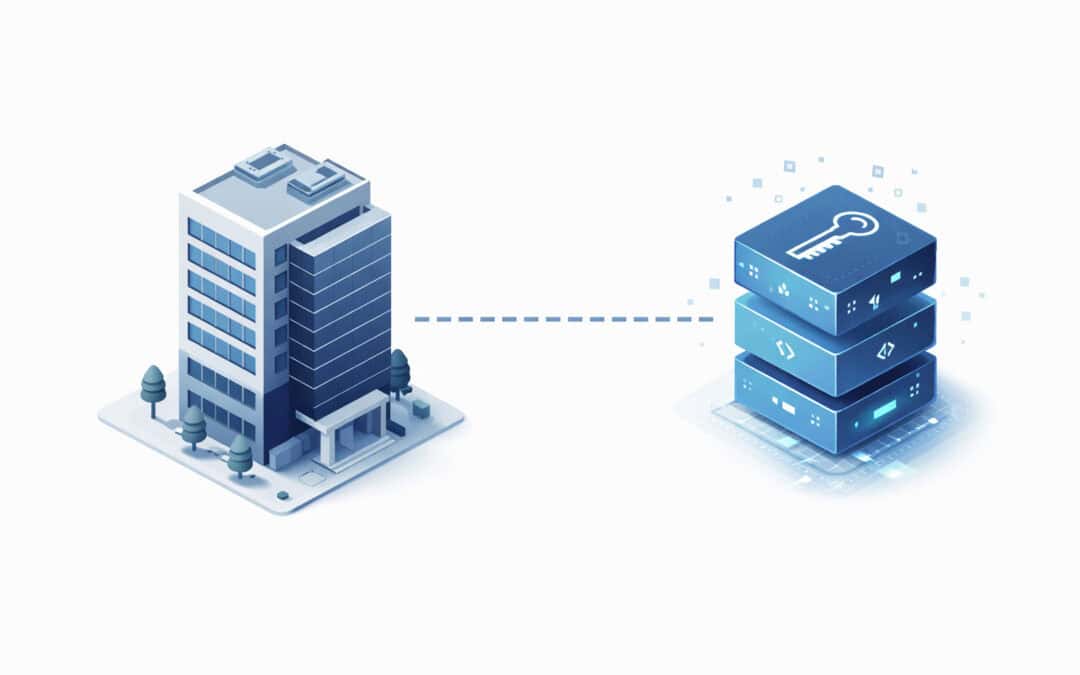
Quick answer: Blockchain in real estate gives platforms like Landbitt a permanent, tamper-resistant digital record of property data and transactions on a public network (Polygon). The legal layer sits underneath: each property is held by a dedicated SPV, and investors...
by landbitt | Jan 9, 2026 | Blockchain Technology, News & Updates
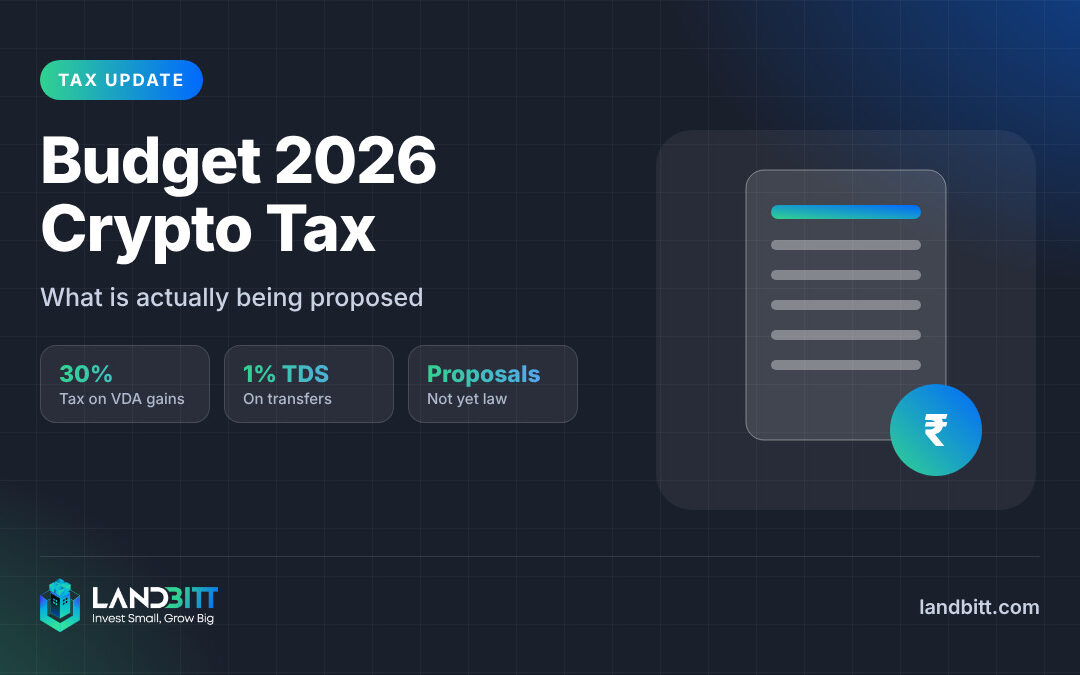
TL;DR: Ahead of Budget 2026, India’s digital asset industry — represented by groups like the Bharat Web3 Association and major exchanges — is asking the Finance Ministry for two specific changes. First, they want to reduce TDS on digital asset transactions from...
by landbitt | Jan 7, 2026 | News & Updates, Real Estate Tokenization
TL;DR: Land in Delhi has long been priced out of reach for most retail investors — a small plot in a decent colony can run into crores. Fractional ownership through an SPV structure changes that math, letting you participate starting from 1 sq. ft. of a...
by landbitt | Dec 30, 2025 | Blockchain Technology, Real Estate Tokenization
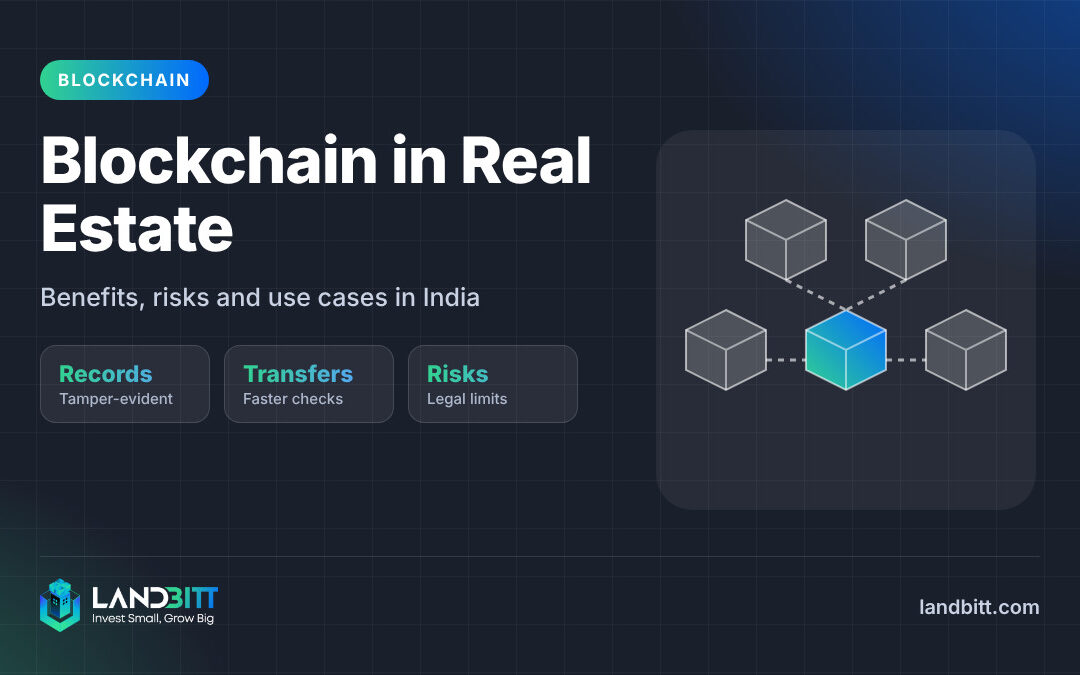
TL;DR: Blockchain real estate benefits center on tamper-proof recordkeeping, faster verification, and reduced fraud risk — but the technology doesn’t eliminate market risk, liquidity risk, or the legal limitations of blockchain records under current Indian law....
by landbitt | Dec 8, 2025 | Investment Comparisons, Investment Opportunities, Real Estate Tokenization
Quick answer: In the REIT vs fractional ownership choice, a listed REIT gives you a SEBI-regulated, exchange-traded share of many commercial properties that you can sell on any market day. Fractional ownership gives you profit rights in one chosen property held...
by landbitt | Nov 26, 2025 | Blockchain Technology, News & Updates
TL;DR: Landbitt’s security model rests on a clear separation: the underlying property sits with a Trust or SPV structure, while your digital ownership unit stays under your own control, not the platform’s. Blockchain-based recordkeeping makes ownership...