

Real Estate Tokenization Platform: Landbitt Partners with Leading Developer in India
Real estate tokenization platform Landbitt has entered into a strategic partnership with one of India’s top property developers. This move highlights how Partners Property Developer collaborations can open up premium residential and commercial assets through fractional ownership models powered by blockchain technology.
This real estate tokenization platform enables structured access to high-value properties. Traditionally, such investments required large capital. However, through digital property tokens, investors can now participate with lower allocation while maintaining legal clarity. In fact, collaboration with a Partners Property Developer is facilitating this innovative access.
How the Real Estate Tokenization Platform Expands Access
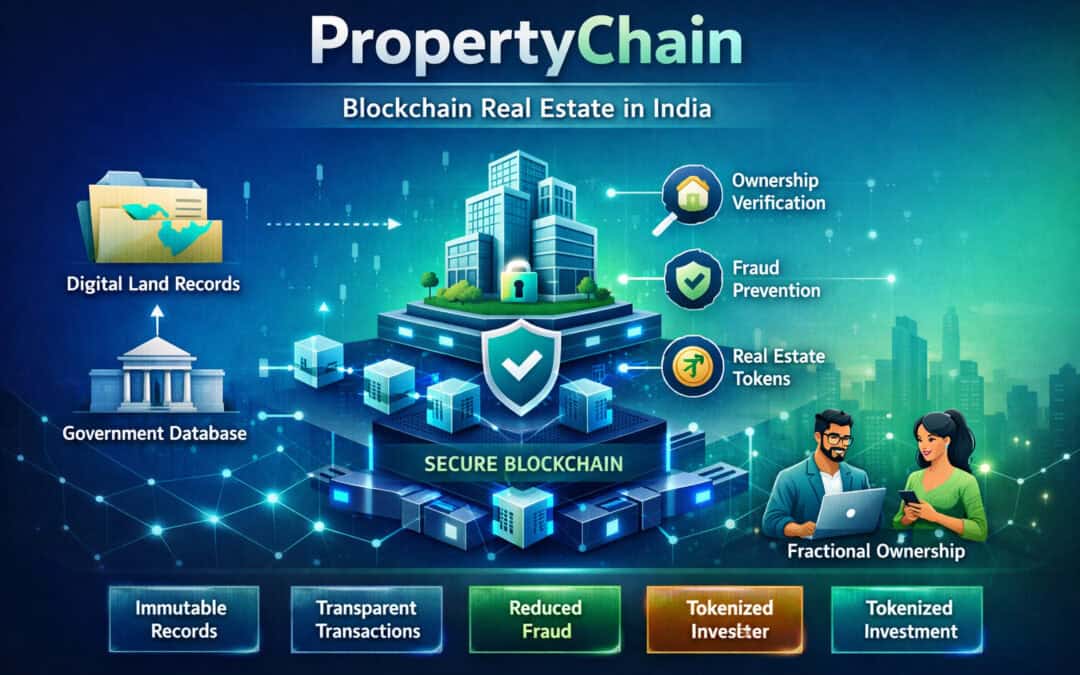
The real estate tokenization platform works by converting physical property into legally structured fractional units. These units are then represented through ERC-1155 blockchain tokens. Thus, an alliance with Partners Property Developer supports wider asset availability.
Therefore, ownership becomes digitally recorded and transparent. At the same time, the underlying asset remains governed by property law.
Through this partnership, investors receive:
- Direct access to premium residential and commercial projects
- Lower entry through fractional participation
- Blockchain-backed ownership records
- Transparent documentation and reporting
Consequently, the real estate tokenization platform improves accessibility while maintaining compliance. Notably, working with a Property Developer as Partner ensures compliant structures.
Why This Real Estate Tokenization Platform Partnership Matters
By partnering with an established developer, the real estate tokenization platform ensures strict due diligence. In addition, each asset undergoes verification before listing. Therefore, collaborating with Partners Property Developer adds further credibility and expertise.
As a result, investors gain exposure to verified properties. Moreover, structured documentation protects ownership rights.
However, potential returns still depend on market demand and rental performance. Therefore, investors should evaluate each opportunity carefully alongside the expertise a Partners Property Developer brings.
Real Estate Tokenization Platform and Industry Recognition
The innovation behind this real estate tokenization platform has received industry attention. For example, Partners Property Developer’s involvement positions Landbitt at the forefront of real estate transformation in India.
These reports highlight blockchain in real estate India and the growth of fractional real estate India, especially with a Partners Property Developer collaboration.
Internal Resources on Real Estate Tokenization Platform
- Complete Guide to Real Estate Tokenization Platform
- Fractional Real Estate in India Explained
- Blockchain in Real Estate India
- Risks in Structured Real Estate Investment
About Landbitt’s Real Estate Tokenization Platform
Landbitt is a compliance-focused real estate tokenization platform designed to convert premium properties into digital property tokens. It uses ERC-1155 standards for secure ownership tracking. Furthermore, Landbitt’s relationship with Partners Property Developer provides access to high-quality listings.
Furthermore, the platform combines:
- Regulatory alignment
- Transparent asset reporting
- Structured legal documentation
- Secure blockchain infrastructure
Because of this structure, digital ownership remains directly linked to real assets, with a Partners Property Developer playing a crucial role in property validation.
What’s Next for the Real Estate Tokenization Platform
The real estate tokenization platform will soon list additional premium projects. As adoption grows, fractional real estate India is expected to expand further thanks in part to the Partners Property Developer collaboration.
Investors can pre-register for early updates. Nevertheless, investment decisions should align with long-term financial goals and consider the opportunities presented through a Partners Property Developer.
Conclusion
This partnership strengthens Landbitt’s real estate tokenization platform in India. By combining developer expertise with blockchain transparency, the model improves access to premium assets. Importantly, the involvement of a Partners Property Developer has elevated the platform’s credibility and reach across the industry.
However, real estate remains subject to market cycles. Therefore, disciplined evaluation and structured allocation remain essential.