

TL;DR: Why land investment is growing in India comes down to a few concrete forces. Rising urban demand is pushing against a genuinely finite supply. Real infrastructure execution, not just announcements, is driving location-specific value. And structured platforms have lowered the capital required to participate. None of this removes the real risks — legal verification, liquidity, and market timing all still apply. But it explains why more investors are taking land seriously as a long-term asset rather than dismissing it as inaccessible.

Why Land Investment is Growing in India
Land investment in India has picked up real momentum. It’s worth understanding why, rather than just accepting it as a trend. A few concrete, structural forces are driving it: rising demand against fixed supply, genuine infrastructure execution, and a meaningfully lower barrier to entry than land investing has ever had before. None of these factors eliminate the real risks involved, but they do explain the shift clearly.
Why is demand for land rising specifically?
India’s population keeps growing, and urban areas keep expanding outward to accommodate it. Land is a genuinely limited resource. Unlike manufactured goods, supply can’t expand to meet rising demand. That’s exactly why its value tends to climb over time in areas where demand is real and sustained, rather than speculative.
How much does infrastructure development actually drive this?
Quite a lot, when execution is real rather than just announced. Highways, smart city initiatives, and industrial corridors all directly affect land value in the areas they touch. Better connectivity and nearby economic activity both increase what land in that zone is actually worth. The distinction that matters: announced infrastructure and built infrastructure aren’t the same thing. Serious investors track actual execution timelines, not headlines.
What’s actually made land investing more accessible recently?
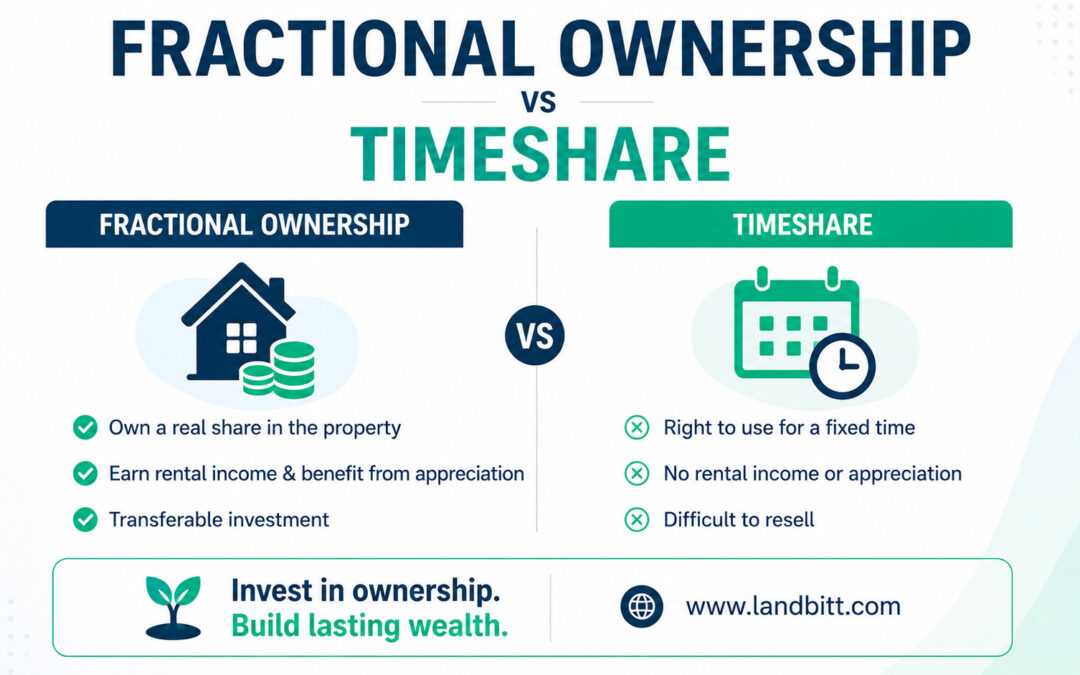
This is genuinely new, and it’s a meaningful part of why interest has grown. Structured platforms now offer smaller entry points through fractional participation models. That removes the need for the full capital a direct land purchase has traditionally demanded. Some investors specifically use SIP-style land investing to build exposure gradually. That wasn’t really a practical option before these structures existed. For the deeper mechanics of how fractional participation actually works, see our fractional land investment guide.
Why does land appeal specifically as a long-term holding?
A few practical reasons. Land doesn’t depreciate physically the way a building does, so you’re not fighting structural decay while you wait for appreciation. It also requires comparatively low ongoing maintenance. It offers real flexibility in eventual use too, whether that’s resale, development, or simply holding. None of that guarantees returns. But it does mean land carries fewer of the maintenance-related costs that erode value in other physical assets over time. For how land actually stacks up against other asset classes on this front, see land vs gold vs stocks in India. And for a closer look at the income side specifically — since raw land mostly doesn’t generate any — see passive income from real estate in India.
What are the real risks investors should weigh before going in?
Growing interest doesn’t mean reduced risk, and it’s worth being direct about that.
- Legal verification challenges — title disputes and unclear documentation remain a genuine, recurring problem in Indian land transactions
- Liquidity issues — exiting a land investment depends on finding a buyer, and there’s no equivalent to daily market depth the way there is with listed securities
- Market timing risk — infrastructure execution can run slower than projected, which directly affects how quickly appreciation actually materializes
Structured platforms can reduce some of this risk through documented governance and verified due diligence, but they don’t eliminate it. Land investing still requires real patience and realistic expectations regardless of which entry method you use.
Related guides
Frequently Asked Questions
Why is land investment growing in India?
A combination of three things: rising demand against limited supply, genuine infrastructure execution in key corridors, and structured platforms that have lowered the capital required to participate.
Is land a good investment in 2026?
It can be, particularly in areas with real, demonstrated infrastructure progress rather than just announced plans. Appreciation always depends on specific location fundamentals, not the year on the calendar.
Does land generate income?
Generally no, unless it’s developed or leased. Raw land’s returns come almost entirely from appreciation rather than ongoing income.
What are the main risks in land investment?
Legal verification challenges, liquidity constraints, and the risk that infrastructure execution runs slower than initially projected.
Can beginners invest in land?
Yes. Modern structured platforms have made this considerably more accessible than direct purchase used to be. Beginners should still take the time to understand documentation, zoning, and realistic holding periods before committing capital.
How should I choose the right location for land investment?
Focus on areas with real, verifiable infrastructure progress. Look for highways, industrial corridors, or connectivity projects actually under construction, not just announced. Confirm the zoning and legal documentation are clean before committing.