
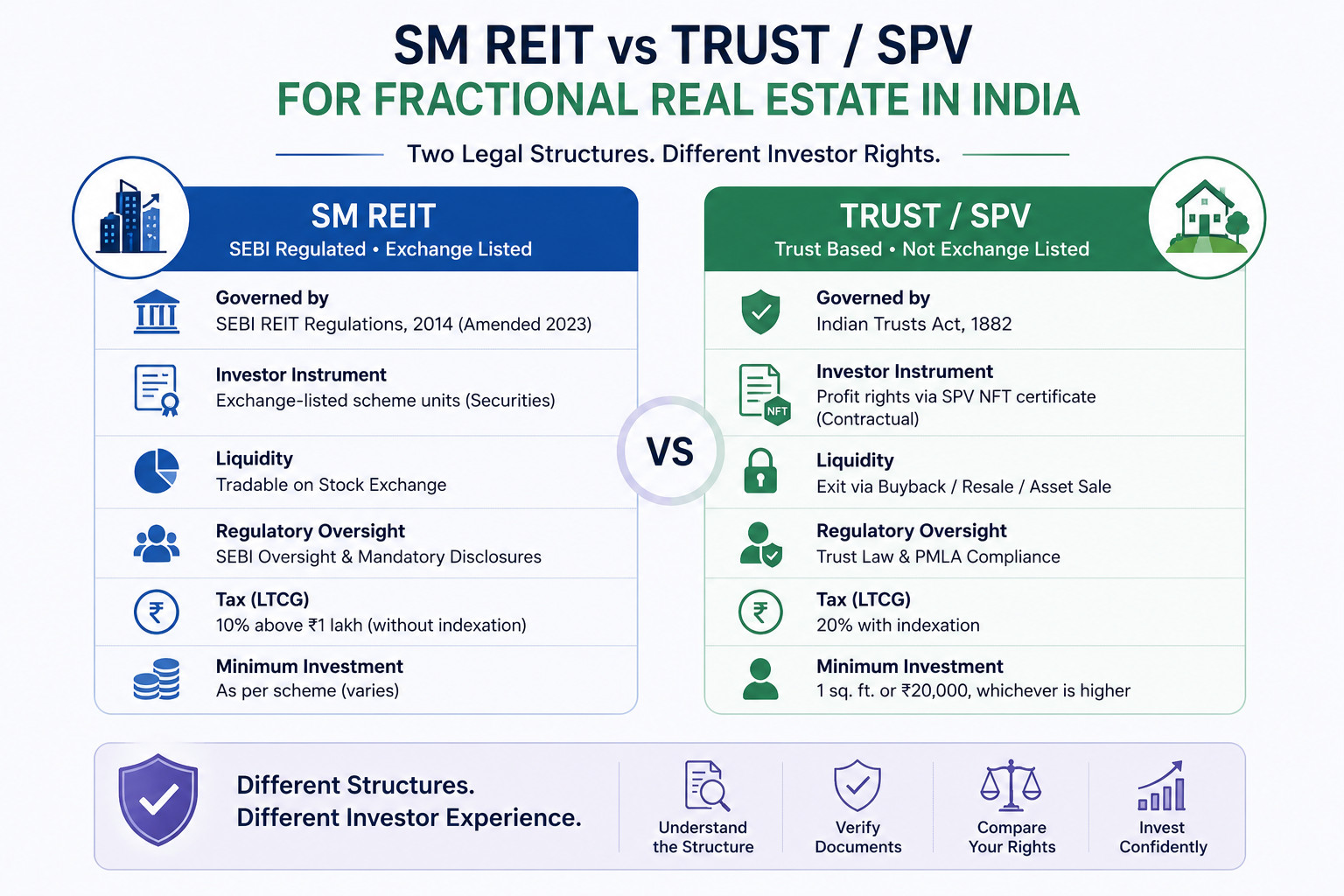
TL;DR: SEBI’s SM REIT framework and the Trust/SPV fractional ownership model are two legally distinct structures for real estate investment in India. Consequently, when SEBI introduced the SM REIT category in 2023, it did not replace or regulate Trust/SPV platforms — it created a separate, exchange-listed investment vehicle. This guide explains the actual structural differences, what changes for investors under each model, and why conflating the two leads to fundamental misunderstandings of your legal rights.

SM REIT vs Fractional Ownership India: What Actually Changes for Investors
In 2023, SEBI amended its Real Estate Investment Trusts Regulations (2014) to introduce the SM REIT category. Since then, many investors have asked whether this means all fractional real estate platforms now operate under SEBI regulation. However, the answer is no — the SM REIT framework applies only to platforms that register with SEBI and list their schemes on a recognised stock exchange. Consequently, Trust/SPV-based fractional ownership platforms continue to operate under a different legal structure entirely. Therefore, understanding the difference is essential before you invest.
Know the difference — then choose the structure that fits your goals.
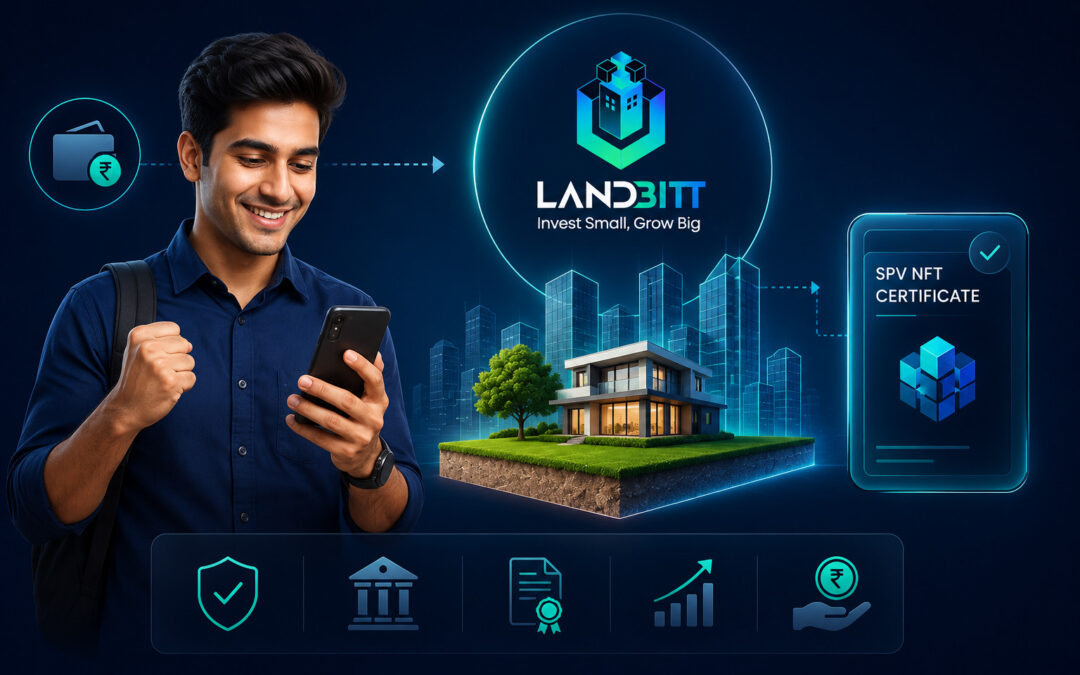
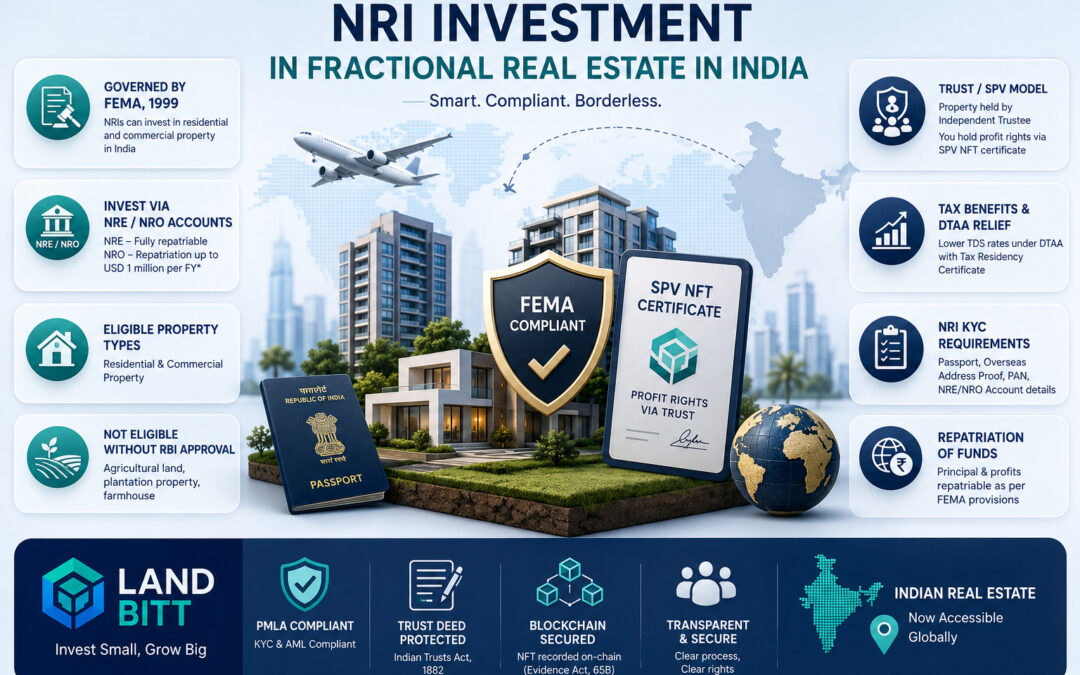
Landbitt uses the Trust/SPV model under the Indian Trusts Act, 1882. An independent Trustee holds registered title; you hold documented profit rights via an SPV NFT certificate — not a listed security, not a property deed. PMLA-compliant KYC. Starting from 1 sq. ft. or ₹20,000.
Quick Facts
- SM REIT: A SEBI-regulated, exchange-listed investment vehicle. Governed by SEBI (Real Estate Investment Trusts) Regulations, 2014 (amended 2023).
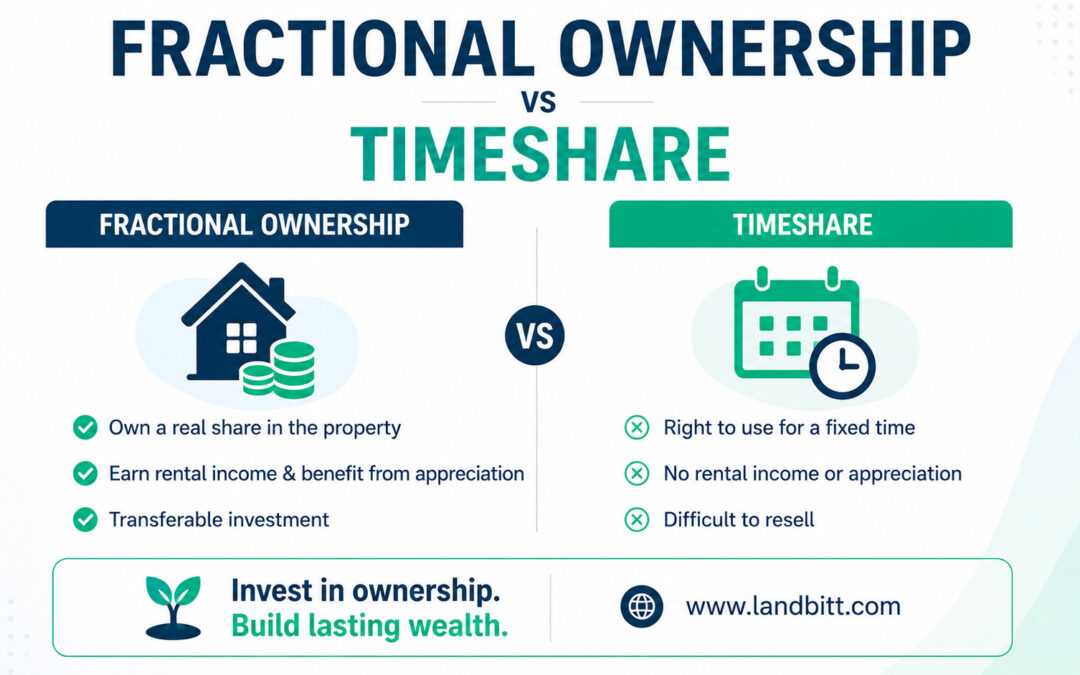
- Trust/SPV fractional ownership: A contractual investment structure governed by the Indian Trusts Act, 1882. Not exchange-listed. Not regulated under SEBI’s SM REIT framework.
- Key distinction: SM REIT units are securities. Trust/SPV profit rights are contractual instruments. These instruments behave differently in law, taxation, and exit scenarios.
- Did SEBI’s SM REIT replace Trust/SPV platforms? No. The SM REIT framework created a new regulated category — it did not make Trust/SPV platforms non-compliant or obsolete.
What SEBI’s SM REIT Framework Actually Created
The 2023 Amendment and Its Scope
SEBI’s 2023 amendment to the Real Estate Investment Trusts Regulations created a specific sub-category for smaller real estate investment trusts — the SM (Small and Medium) REIT. Specifically, an SM REIT must manage assets worth at least ₹50 crore, register with SEBI as an Investment Manager, and list its scheme units on a recognised stock exchange (NSE or BSE). Moreover, the scheme must comply with mandatory disclosure, valuation, and governance requirements that SEBI prescribes.
What the Amendment Did Not Do
The 2023 amendment did not regulate or govern Trust/SPV-based fractional ownership platforms. Furthermore, it did not require existing fractional ownership platforms to convert to the SM REIT structure. Consequently, platforms that operate under the Indian Trusts Act, 1882 through registered Trusts with independent Trustees continue to do so lawfully — under a different legal framework, governed by different statutes. Therefore, comparing SM REITs and Trust/SPV platforms requires acknowledging that these are parallel structures, not competing versions of the same thing.
Structural Comparison: SM REIT vs Trust/SPV
Legal Framework
An SM REIT scheme operates under SEBI’s Real Estate Investment Trusts Regulations, 2014 (amended 2023). Specifically, SEBI oversight governs the Investment Manager’s conduct, the scheme’s valuation methodology, and the disclosure requirements that apply to scheme units. In contrast, a Trust/SPV platform operates under the Indian Trusts Act, 1882. The Trustee holds registered title to the property and exercises fiduciary duties under Trust law. Consequently, the regulatory oversight and legal duties in each model differ fundamentally.
Investor Instrument
SM REIT investors receive exchange-listed scheme units — securities in the legal sense. These units trade on stock exchanges and carry the associated market and settlement risks. Moreover, SEBI’s regulations govern how these units can be transferred, redeemed, or used as collateral. In contrast, Trust/SPV investors receive profit rights via an SPV NFT certificate. Importantly, these profit rights are contractual instruments governed by the Trust Deed — not securities, not equity, and not direct property title. Furthermore, these certificates do not trade on exchanges and cannot be transferred via a stock exchange mechanism.
Asset Holding and Segregation
Under the SM REIT framework, the scheme holds the underlying property as a separate trust under SEBI oversight. Specifically, each scheme must independently value its assets and disclose valuations to investors. Under the Trust/SPV model, an independent Trustee holds the property in a separately registered Trust. Consequently, the property remains legally separated from the platform company’s balance sheet in both models — though the governance mechanism differs. In the SM REIT model, SEBI regulations enforce this separation. In the Trust/SPV model, the Trust Deed and fiduciary duties under the Indian Trusts Act, 1882 enforce it.
Exit and Liquidity
SM REIT units are exchange-listed, which means investors can sell their units on the secondary market subject to market conditions and liquidity. Moreover, the listed nature provides a price discovery mechanism. In contrast, Trust/SPV profit rights are contractual and not exchange-listed. Consequently, exit from a Trust/SPV investment typically occurs through a buyback, secondary market arranged by the platform, or the eventual sale of the underlying property. Furthermore, each model presents different liquidity profiles and exit mechanisms, which investors should understand before committing capital.
What Changes for Investors Under Each Model
Regulatory Oversight
SM REIT investors benefit from SEBI oversight — specifically, mandatory disclosures, regulated valuations, and an Investment Manager who operates under a SEBI registration. Consequently, these investors have a regulated grievance mechanism through SEBI. Trust/SPV investors rely on contractual protections under the Trust Deed, fiduciary duties of the Trustee, and the Indian Trusts Act, 1882. Importantly, this model can provide strong investor protection if the Trust Deed is well-drafted and the Trustee acts in accordance with their fiduciary duties.
Tax Treatment
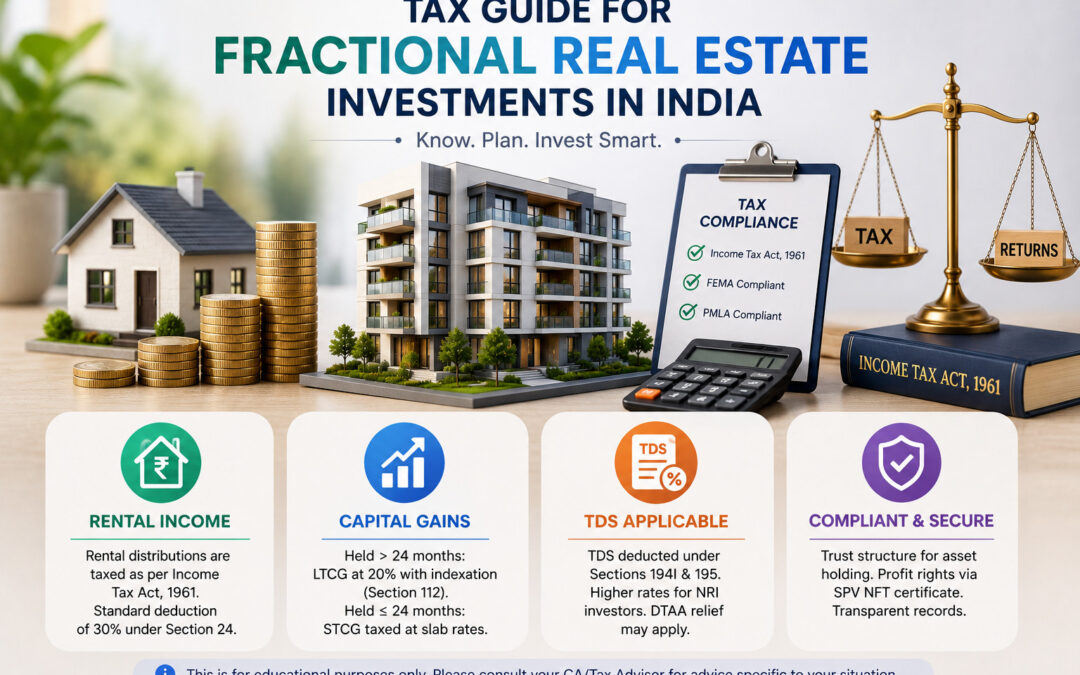
SM REIT scheme units are securities, so capital gains tax treatment follows the securities taxation framework. Specifically, LTCG on listed securities applies at 10% above ₹1 lakh (without indexation) under Section 112A of the Income Tax Act, 1961. In contrast, Trust/SPV profit rights, as real property interests, attract LTCG at 20% with indexation under Section 112. Therefore, the tax treatment on gains differs between the two models. Moreover, investors should verify the exact tax treatment of their specific investment with a chartered accountant, as interpretations continue to evolve.
Minimum Investment
SM REIT minimums are set at the scheme level and disclosed in the offer document. They vary by scheme and platform. Under the Trust/SPV model, the minimum investment is 1 sq. ft. of the property’s value or ₹20,000, whichever is higher. Consequently, the applicable minimum depends on which model and which specific asset you invest in.
Why Landbitt Operates Under the Trust/SPV Model
The Trust/SPV Model Serves a Different Investment Purpose
Landbitt operates under the Trust/SPV model governed by the Indian Trusts Act, 1882 — not as a SEBI SM REIT. This is a deliberate structural choice, not a compliance gap. Specifically, the Trust/SPV model allows Landbitt to structure investments in specific land assets with defined profit rights, recorded on-chain via NFT certificates. Furthermore, the independent Trustee holds registered title to each asset, segregated from Landbitt’s operating company. Consequently, investor profit rights persist independently of Landbitt’s business continuity.
SEBI SM REIT Is Not a Requirement for All Fractional Platforms
SEBI’s SM REIT framework is a compliance pathway for platforms that choose to list on exchanges and operate under SEBI’s regulatory oversight. However, it is not the only lawful structure for fractional real estate investment in India. Trust/SPV platforms that operate transparently under the Indian Trusts Act, 1882 with proper Trust Deeds, independent Trustees, and PMLA-compliant KYC processes provide a legitimate and distinct investment structure. Moreover, both models have their place in the market, serving different investor profiles and asset types.
Internal Links for Further Research
To understand how to verify any fractional platform before investing, read our Platform Verification Checklist. For a detailed explanation of the Trust/SPV legal structure, see our guide on SPV in real estate explained. Additionally, our post on what happens if a fractional platform shuts down covers how the Trust structure protects investors in exit scenarios. For SEBI’s official SM REIT regulations, refer to SEBI’s official website.
Frequently Asked Questions
Did SEBI’s SM REIT framework replace Trust/SPV fractional ownership platforms?
No. SEBI’s 2023 amendment to the Real Estate Investment Trusts Regulations created a new SM REIT category for exchange-listed fractional real estate investment. However, it did not regulate or replace Trust/SPV platforms operating under the Indian Trusts Act, 1882. These are parallel structures governed by different laws. Consequently, Trust/SPV platforms continue to operate lawfully under the Indian Trusts Act framework.
What is the difference between an SM REIT unit and a Trust/SPV profit right?
An SM REIT unit is an exchange-listed security governed by SEBI’s Real Estate Investment Trusts Regulations, 2014 (amended 2023). It trades on a stock exchange and carries securities taxation treatment. A Trust/SPV profit right is a contractual instrument governed by the Trust Deed under the Indian Trusts Act, 1882. It does not trade on exchanges and attracts property-based capital gains tax treatment. These are fundamentally different instruments.
Is a Trust/SPV fractional platform SEBI regulated?
No. A Trust/SPV fractional platform operates under the Indian Trusts Act, 1882 and PMLA, 2002 — not under SEBI’s SM REIT regulations. However, this does not make it unregulated. Trust law, fiduciary duties, and PMLA compliance govern these platforms. SEBI regulation applies specifically to SM REITs, which are exchange-listed investment vehicles.
What is the capital gains tax on SM REIT units vs Trust/SPV profit rights?
Long-term capital gains on listed SM REIT units are taxed at 10% above ₹1 lakh (without indexation) under Section 112A of the Income Tax Act, 1961. Long-term capital gains on Trust/SPV profit rights (as real property interests) are taxed at 20% with indexation under Section 112. Consequently, the tax treatment differs between the two models. Investors should verify the exact treatment for their specific investment with a chartered accountant.
Why does Landbitt use the Trust/SPV model instead of becoming an SM REIT?
Landbitt operates under the Trust/SPV model because it allows structuring investments in specific land assets with defined profit rights recorded on-chain via NFT certificates. The independent Trustee holds registered title to each asset in a separately registered Trust, segregated from Landbitt’s operating company. Furthermore, this structure allows Landbitt to serve a distinct market segment with lower entry thresholds than most SM REIT schemes — starting at 1 sq. ft. or ₹20,000, whichever is higher.
Ready to invest through a Trust/SPV structure — starting from 1 sq. ft.?
Landbitt structures investments via a registered Trust under the Indian Trusts Act, 1882. Independent Trustee holds the asset; you hold profit rights — not SM REIT units, not equity. PMLA-compliant KYC. Starting from 1 sq. ft. or ₹20,000.