
TL;DR: Investors trust a structured real estate platform when it offers real clarity, control, and governance — not just promises of it. On Landbitt, that means each asset operates independently, investors get proportional voting rights on major decisions, verified listings go through real due diligence, and exit happens through a structured resale process rather than guesswork.

Why Trust This Structured Real Estate Platform
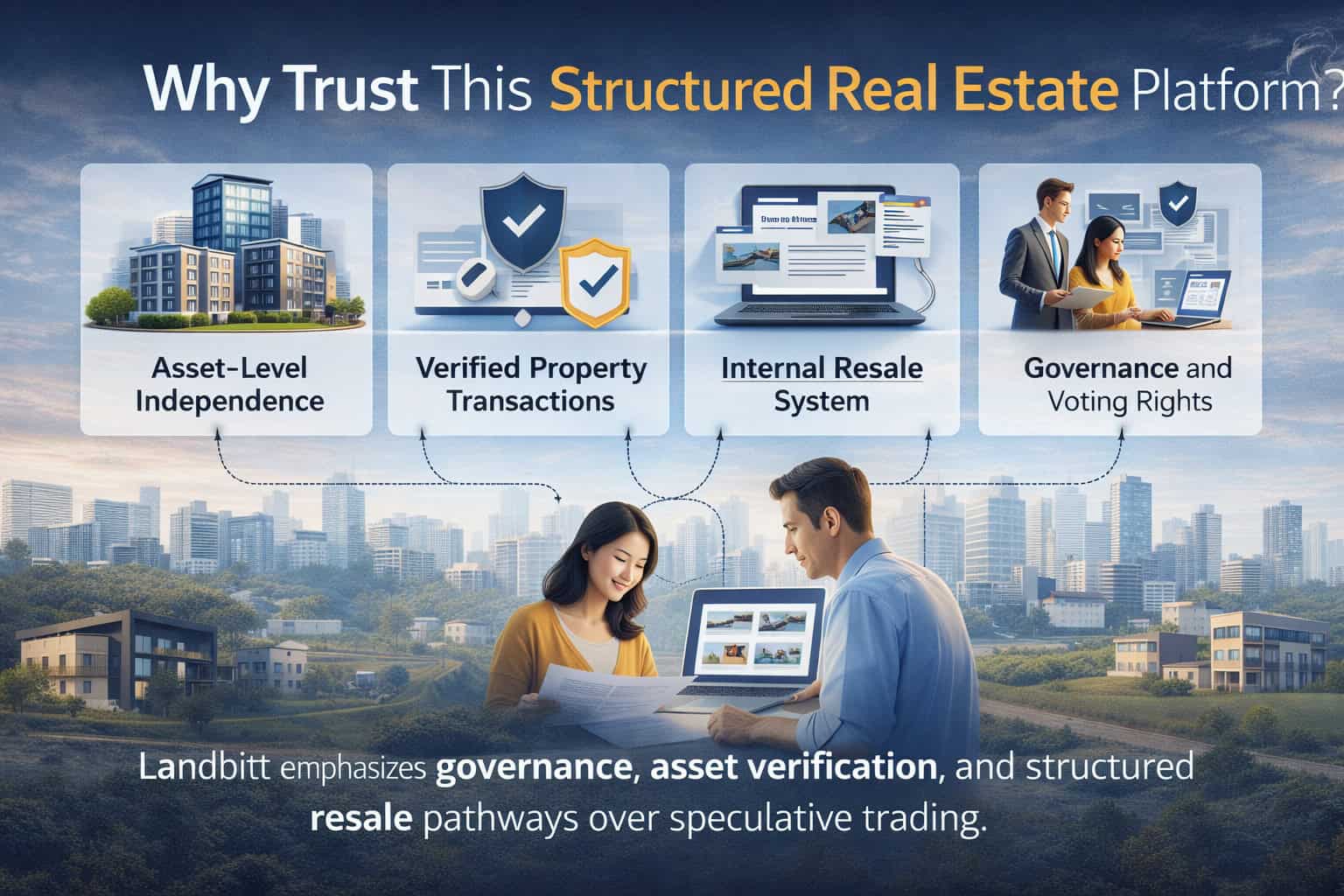
Trust in real estate investing comes down to a simple question: do you actually know where your money is going, and do you have any real say in what happens to it? A structured real estate platform earns trust by answering that clearly, rather than asking investors to take it on faith. Here’s what that actually looks like on Landbitt.
Why does asset-level independence matter?
Each asset on the platform stands on its own structure. When you invest in one residential or commercial asset, you don’t take on exposure to any other asset. That separation keeps things simple — your risk and your returns stay tied to the specific property you chose, not bundled with everyone else’s.
Landbitt also keeps only one asset live at a time per category — residential, commercial, and so on — which keeps investor attention focused and the full-property marketplace limited to verified listings only.
How does governance actually protect investors here?
Investors get proportional voting rights tied to how much they’ve put into a given asset. If a full asset sale comes up for a vote, participating investors decide directly, and voting power matches participation size — so the process stays fair rather than concentrated in a few hands.
This is genuinely a deep topic on its own, and we’ve covered the full mechanics — voting thresholds, the proposal-to-approval process, what happens at different stages of an investment’s life — in our dedicated guide on real estate voting rights.
What happens when you actually want to exit?
Real estate has a liquidity problem by nature — Landbitt doesn’t pretend otherwise. What it offers instead is a structured internal resale mechanism: investors can request a transfer through a managed process that includes compliance checks, which makes the exit path considerably more organized than chasing down a buyer informally.
We go deeper into exactly how that resale process works, step by step, in our real estate resale platform guide.
How are full-property transactions kept safe?
For full-property listings specifically, the platform only shows verified properties. Advisors review documentation before anything goes live, and centralized coordination adds a layer of safety that informal, broker-led transactions usually don’t have.
Who tends to find this model worth it?
Young professionals, first-time investors, and anyone looking for gradual real estate exposure often land here after comparing it against alternatives like SIP in land investing. It particularly suits people who care about governance and a real resale path, not just a lower entry price.
Related guides
Frequently Asked Questions
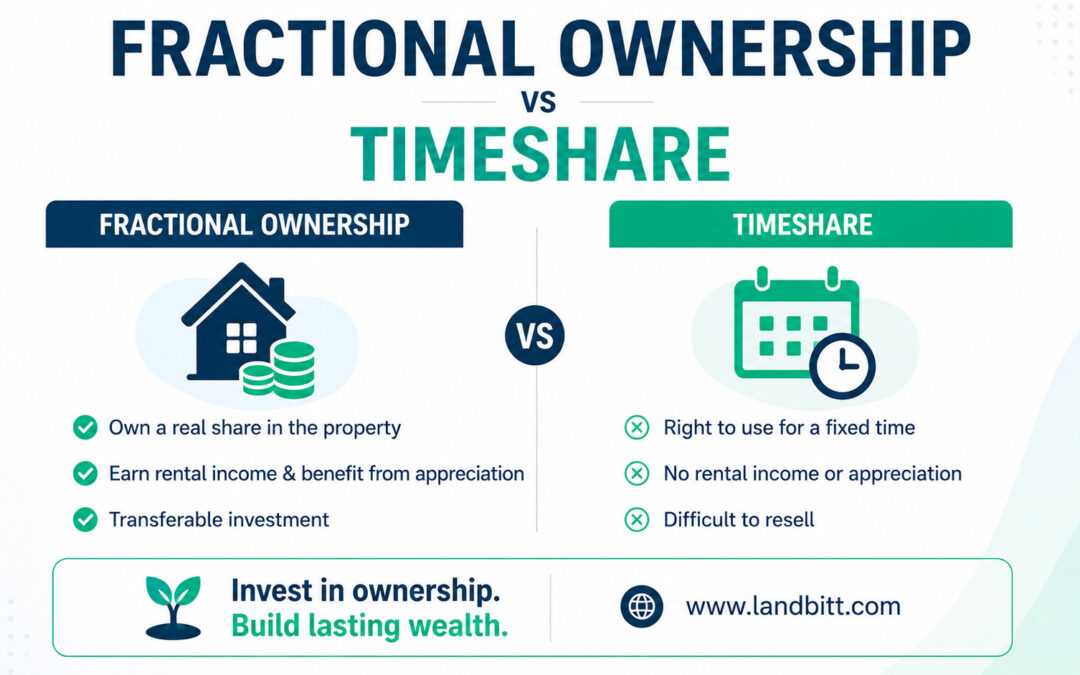
What is fractional ownership in India? Fractional ownership lets multiple investors participate economically in a specific real estate asset, holding a defined proportional interest instead of buying the entire property outright.
How does structured real estate participation actually work? Each asset gets organized separately. Investors complete verification, review documentation, and then participate in a specific asset — which keeps governance clear and documentation transparent throughout.
Does the platform offer a way to resell my investment? Yes, through a managed internal resale system, subject to compliance checks. See our resale platform guide for the full process.
Is this a crypto trading platform? No. The focus is structured real estate participation. Digital infrastructure supports tracking and transparency, but the core objective is asset-backed real estate exposure — see our guide on real estate tokenization in India for how that infrastructure layer actually works.
Who should consider this model? Anyone who values real governance and a structured exit path over informal arrangements — particularly first-time investors and those looking for gradual, lower-risk exposure to real estate.